The global spread of hip hop has had a profound effect on the Philippines, where it became a cultural force during the late 20th century. Introduced by imported music, television, and films, hip hop was quickly embraced by Filipino youth, who saw in it a means of creative expression, identity formation, and commentary on social issues. Over the decades, hip hop has evolved from a niche urban movement into a mainstream element of Philippine music.
Pioneering artists like Francis Magalona, often hailed as the “King of Pinoy Rap,” were instrumental in shaping the local scene. His music combined rap beats with patriotic lyrics, advocating for Filipino pride and cultural awareness. Similarly, comedians-turned-rappers like Andrew E. utilized humor and satire to connect with audiences, making the genre approachable and engaging. These early innovators demonstrated that hip hop could convey meaningful narratives while remaining entertaining.
A defining feature of Philippine hip hop is its social consciousness. Songs frequently tackle issues such as poverty, inequality, and political challenges. Unlike pop music, which is dominated by romantic or lighthearted themes, hip hop resonates with listeners seeking narratives grounded in reality. For many, Filipino hip hop offers a voice for the underrepresented and a medium for exploring urban struggles and cultural identity.
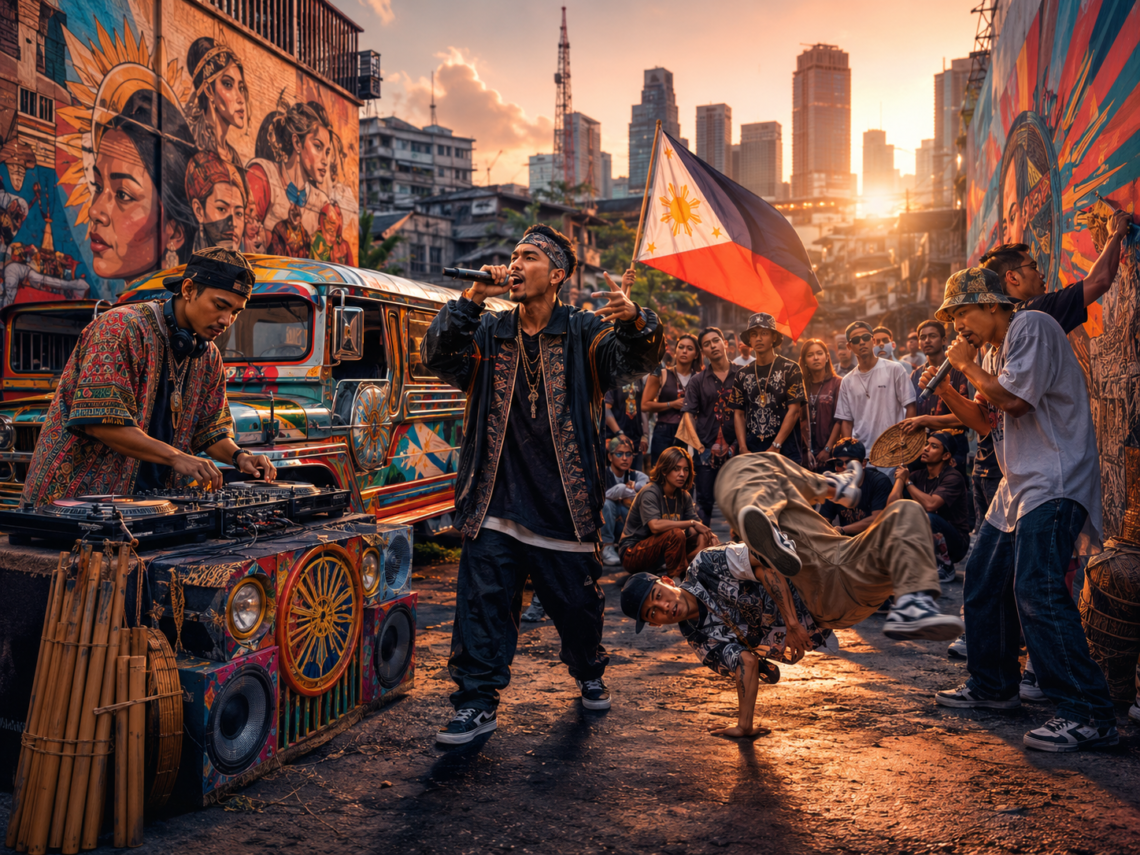
The genre also thrives on linguistic creativity. Artists mix Tagalog, English, and regional languages within their lyrics, reflecting the Philippines’ multicultural landscape. This multilingual approach allows artists to reach wider audiences while preserving regional identities and cultural heritage. Hip hop’s connection with street culture—dance, graffiti, and fashion—further strengthens its role as a comprehensive cultural movement.
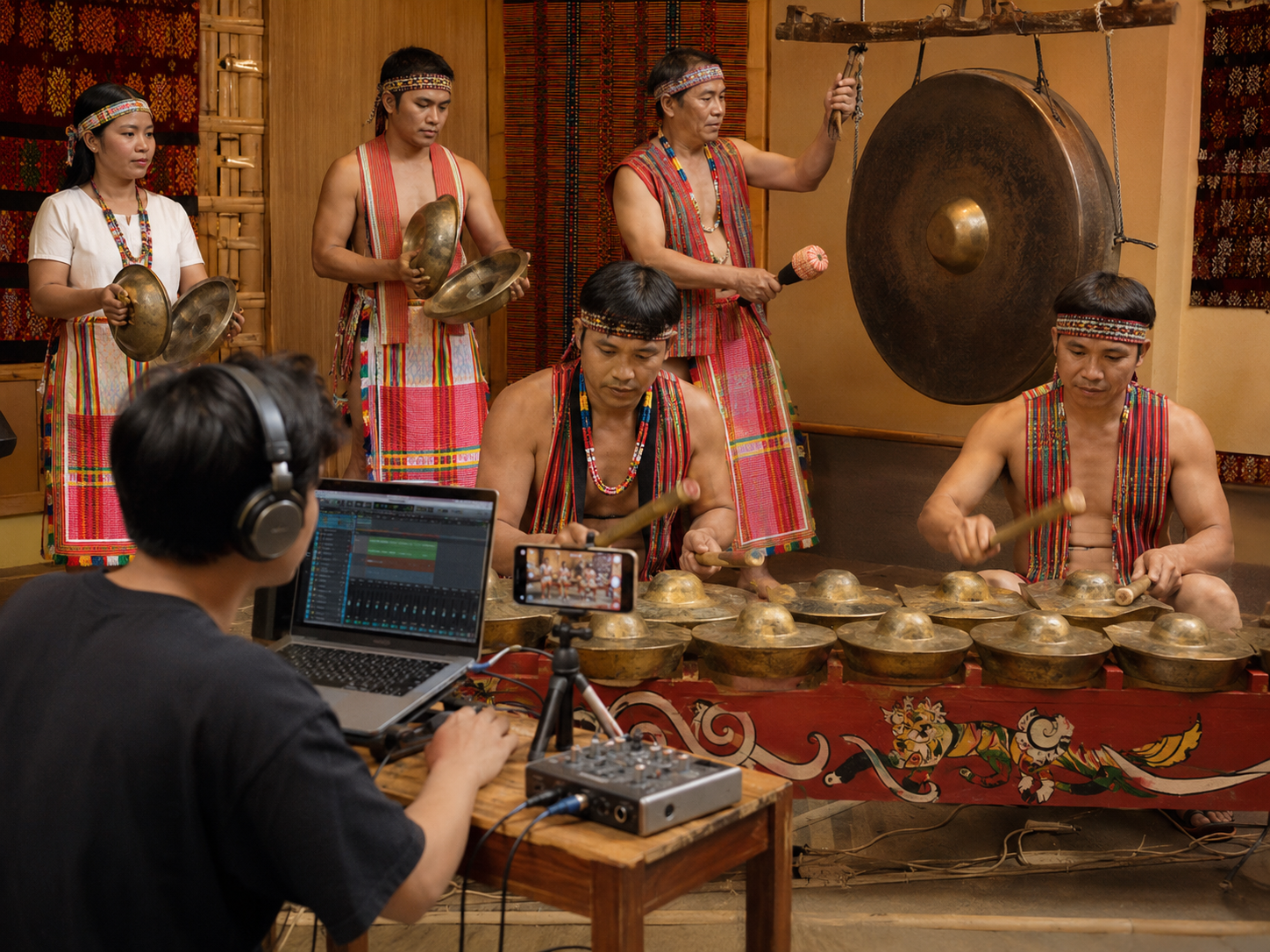
Musically, Philippine hip hop has shown remarkable adaptability. Producers incorporate electronic sounds, indigenous instruments, and traditional rhythms to create a distinctive sonic identity. Collaborations with other genres such as pop, rock, and EDM demonstrate the fluidity and influence of hip hop in shaping contemporary Filipino music. These cross-genre experiments highlight how hip hop is not only a style but also a driving force behind innovation in the music industry.
The digital era has accelerated the popularity of Filipino hip hop. Online streaming platforms, social media, and viral music videos allow artists to bypass traditional gatekeepers and connect directly with listeners nationwide. Talent shows, festivals, and online competitions have fostered a new wave of creativity, enabling both established and emerging artists to experiment with their sound and message.
Today, hip hop’s presence in the Philippines represents more than musical influence. It reflects youth culture, social awareness, and the blending of global and local traditions. Through rap, beatmaking, and performance, Filipino artists continue to explore identity, challenge societal norms, and innovate musically, solidifying hip hop as a transformative force in Philippine music.