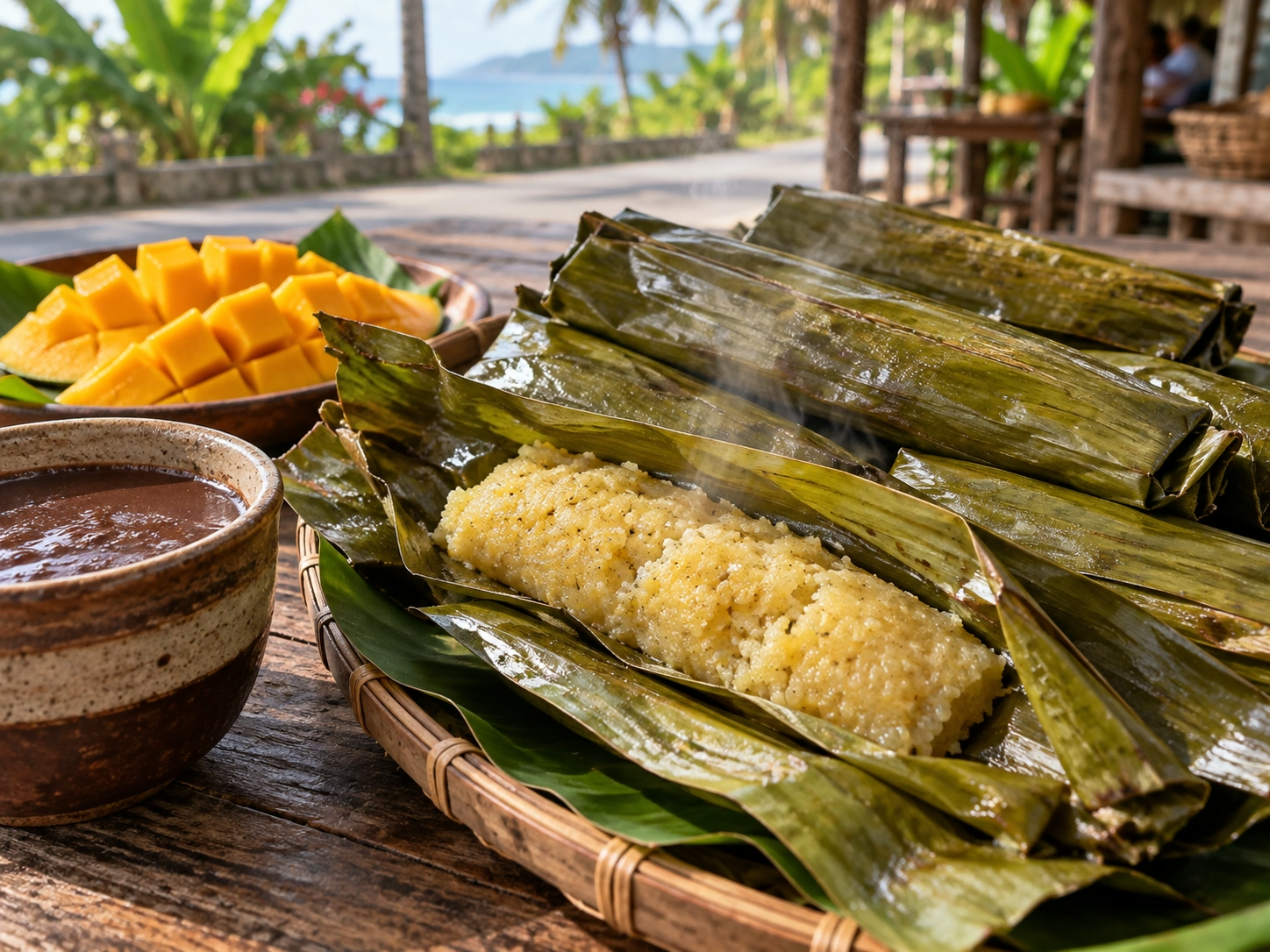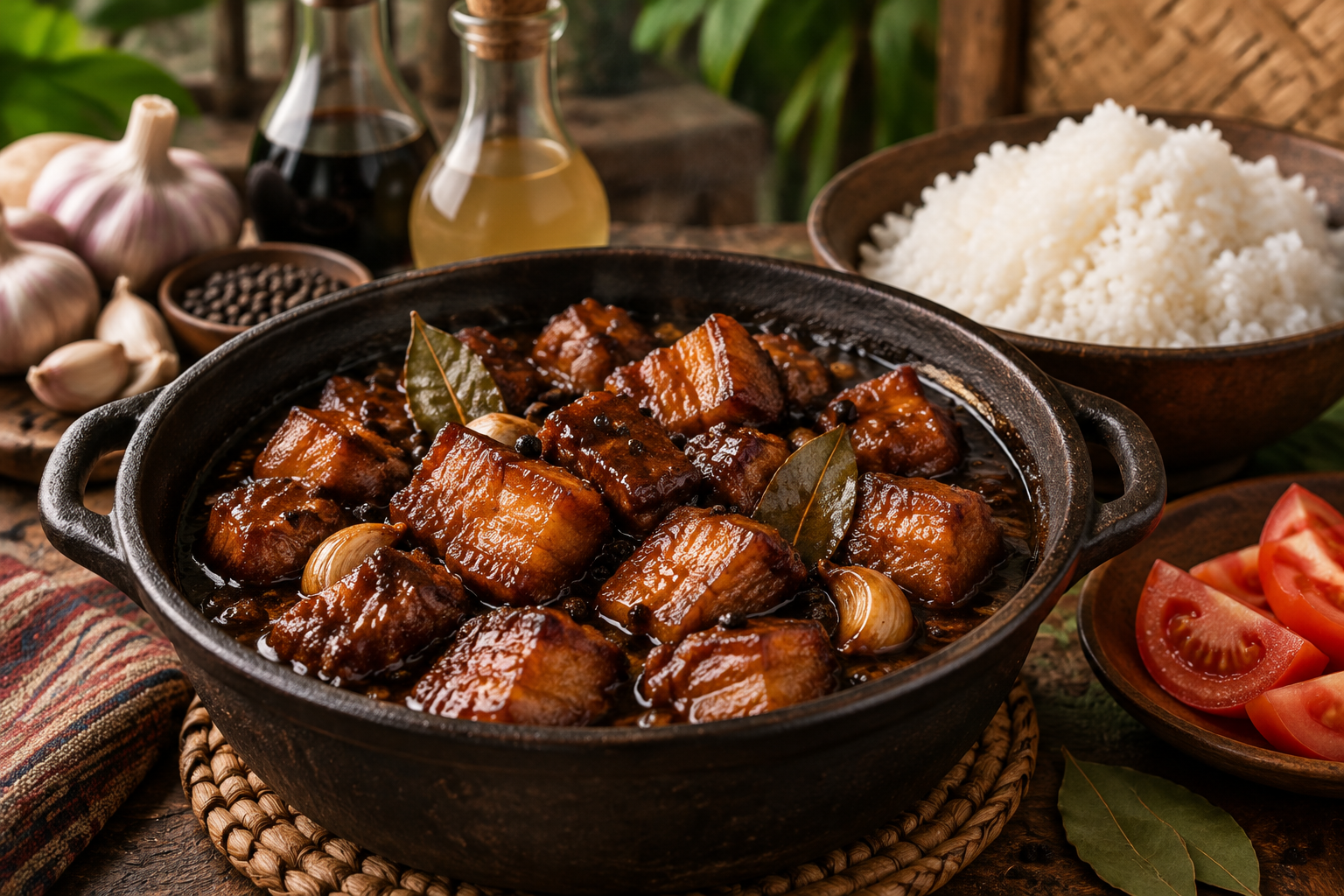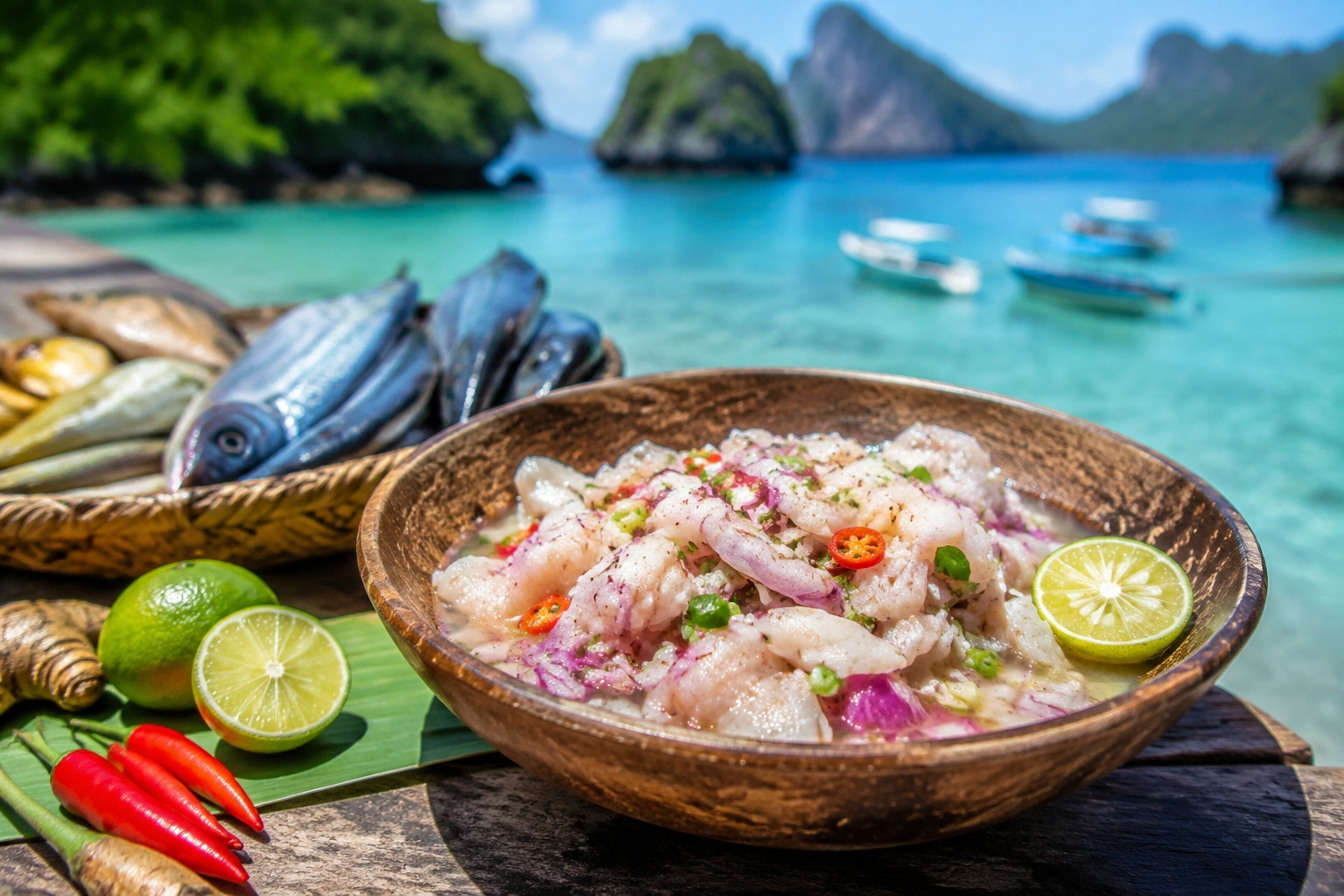
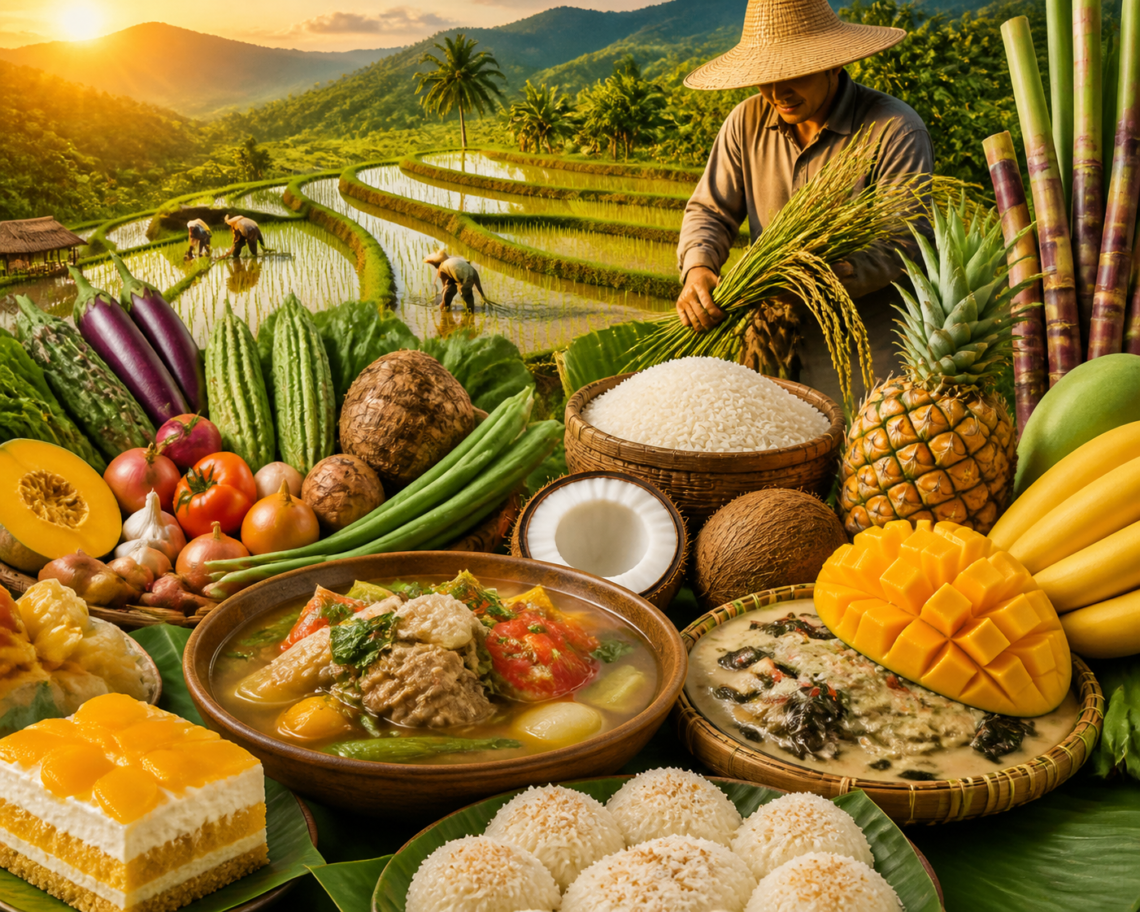
In the Philippines, the connection between farmers and food is more than just functional—it is a bond that shapes the country’s culinary identity. From the lush rice fields of Luzon to the tropical fruit orchards of Mindanao, Filipino farmers provide the essential ingredients that are used in the preparation of the country’s most beloved dishes. These farmers, through their commitment to agriculture, play an indispensable role in preserving and enriching Filipino gastronomy.
Rice cultivation is perhaps the most iconic aspect of Filipino farming, with rice being the staple food for millions of Filipinos. Filipino farmers have perfected the art of rice cultivation, with different varieties of rice grown throughout the country. The famous long-grain rice from the provinces of Central Luzon and the sticky rice used in native delicacies all owe their existence to the hardworking farmers who cultivate them. The intricate farming practices, such as those seen in the terraced rice paddies of Banaue, highlight the relationship between Filipino culture and agriculture, as these landscapes have been carefully maintained for centuries.
In addition to rice, vegetables play a key role in Filipino dishes. From the common vegetables like string beans and eggplant to the unique and exotic varieties like malunggay and labanos (radish), the Philippine archipelago is home to a wide range of vegetables that add flavor and nutrition to the local diet. Many Filipino dishes, such as “pinakbet” and “sinigang,” rely heavily on the diversity and quality of these vegetables, which are largely provided by farmers across the country. These farmers’ expertise in cultivating and harvesting these crops ensures that Filipino cuisine continues to be rich in flavor, texture, and nutritional value.
Tropical fruits, too, are an integral part of Filipino culinary traditions. Mangoes, considered the national fruit, are grown in abundance in regions like Guimaras and are used in a variety of dishes, from sweet desserts like “mango bravo” to savory meals like “sinigang.” Other tropical fruits, such as bananas, papayas, and pineapples, are similarly vital to Filipino food culture. Farmers play a critical role in the cultivation of these fruits, ensuring their consistent availability in local markets and grocery stores.
Furthermore, the contributions of Filipino farmers extend beyond fresh produce. Coconut farmers, for instance, provide essential ingredients such as coconut oil, coconut milk, and grated coconut, all of which are fundamental in Filipino cooking. These ingredients form the base of many regional dishes, such as “laing” from Bicol and “ginataang” dishes found throughout the archipelago. In addition, sugarcane farmers in regions like Negros Occidental provide sugar, which is used in a wide variety of Filipino desserts, including “halo-halo” and “kakanin.”
The farm-to-table movement has gained significant momentum in the Philippines, as more restaurants are focusing on using locally sourced ingredients. This not only supports Filipino farmers but also promotes sustainability and environmental awareness. By choosing locally produced food, consumers help reduce the carbon footprint and support the agricultural industry that is so deeply tied to the country’s food culture.
The role of farmers in Filipino cuisine is invaluable, with their dedication to agriculture ensuring that the rich diversity of flavors, ingredients, and dishes remains accessible to future generations. Filipino cuisine thrives because of the synergy between local farmers and chefs, creating a culinary identity that is distinctly Filipino and deeply rooted in the country’s agricultural heritage.