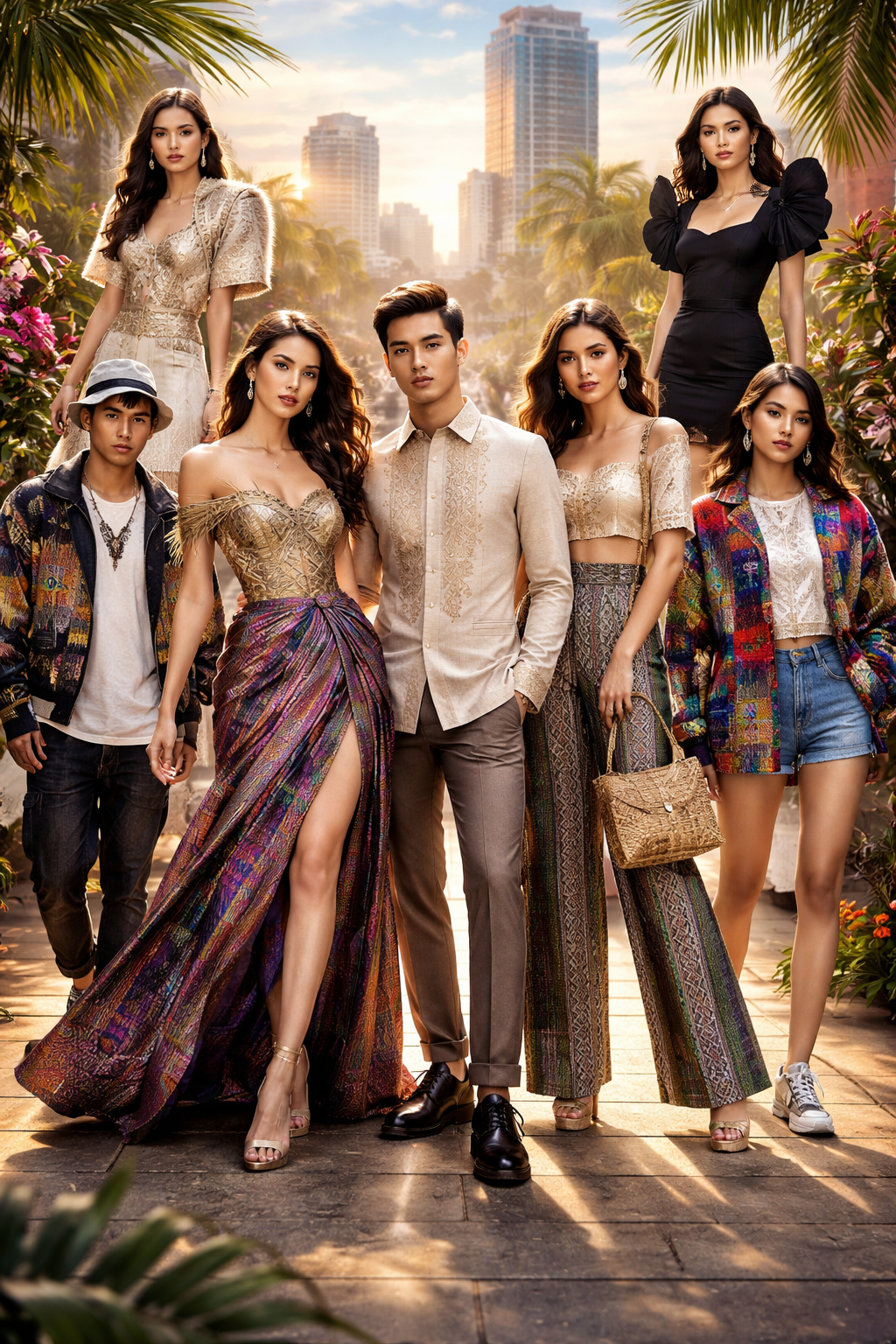
In recent years, the Philippine fashion industry has experienced an exciting and innovative shift, as designers merge traditional Filipino elements with Western influences to create a distinct and modern fashion identity. This blending of cultural heritage and global trends has not only changed the way Filipinos dress but has also garnered international attention for its unique fusion. From incorporating traditional Filipino textiles to revamping classic garments with modern Western silhouettes, the evolution of fashion in the Philippines tells the story of a nation deeply connected to its history while embracing the future.
The barong Tagalog is one of the most iconic garments in Philippine fashion and has become a central piece in this fusion of Western and local styles. Traditionally worn by men during formal occasions, the barong has been updated with Western influences, such as contemporary tailoring and the use of luxurious fabrics like satin and silk. Designers such as Rajo Laurel have pioneered this modern take, making the barong versatile enough to be worn both at formal events and casual occasions. This reinvention of a traditional garment symbolizes how Filipino fashion is both rooted in the past and forward-thinking.
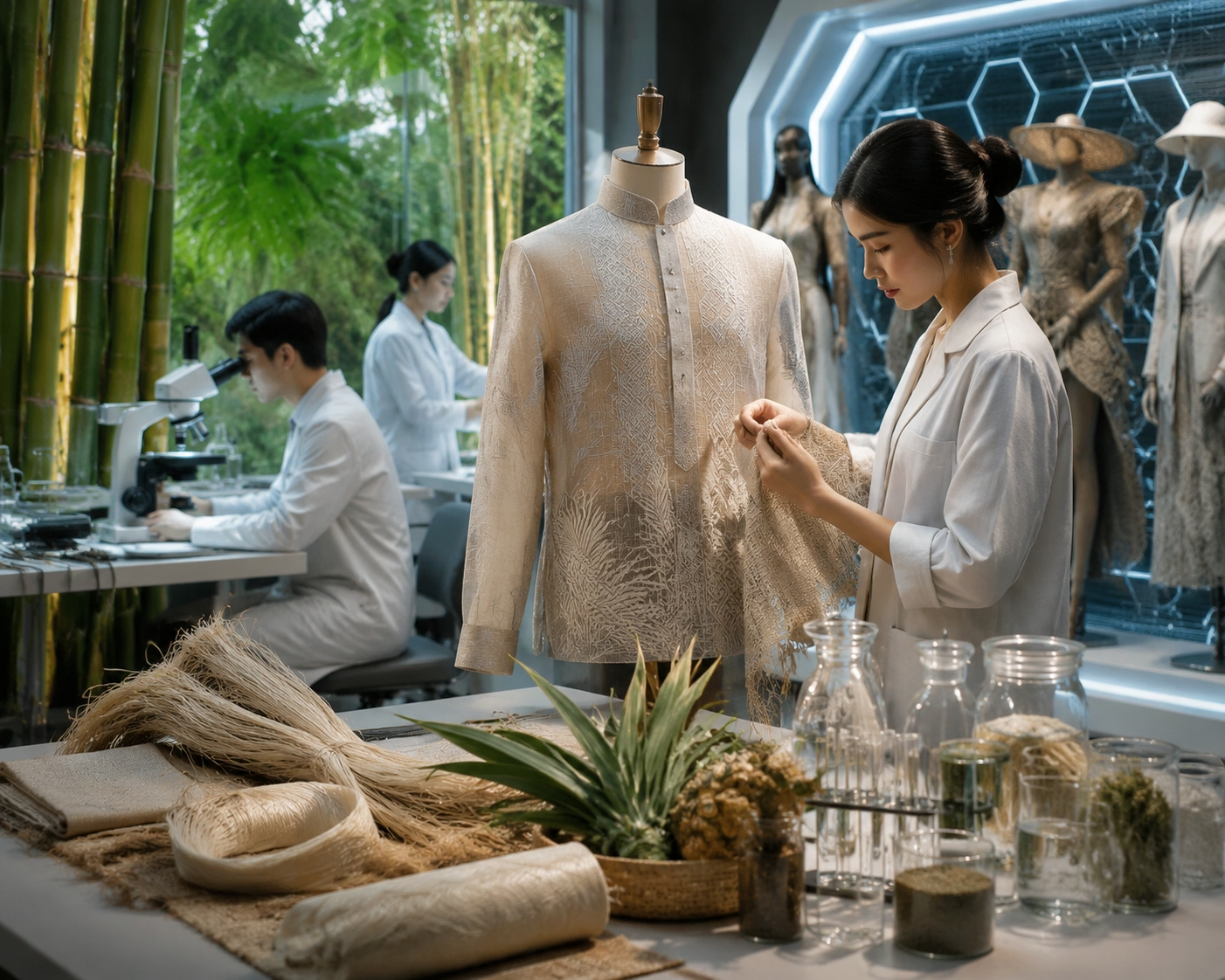
Filipino designers have also embraced indigenous textiles as part of the global conversation around sustainable fashion. Fabrics such as piña and jusi are now incorporated into modern designs that combine the aesthetic appeal of Western fashion with Filipino cultural heritage. These fabrics, once used primarily for traditional garments, are now finding new life in contemporary clothing items such as structured blouses, skirts, and dresses. The result is a fashion movement that promotes sustainability by honoring traditional craftsmanship while creating new opportunities for Filipino artisans.
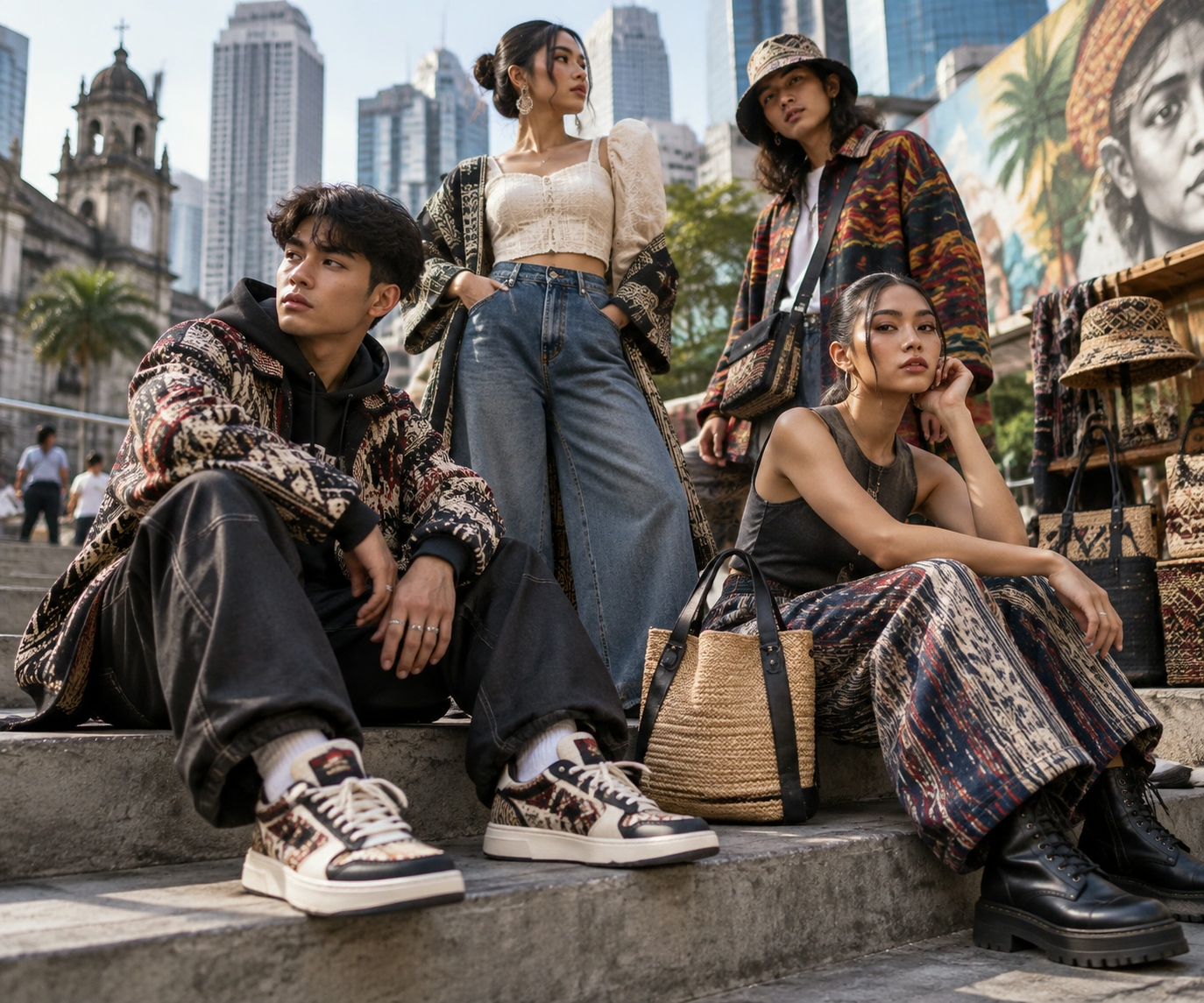
The global appeal of streetwear has also found its way into the Filipino fashion scene. With the rise of social media and street style culture, young Filipinos are increasingly drawn to the casual, comfortable styles associated with Western street fashion. Local designers have embraced this trend by incorporating Filipino fabrics and patterns into streetwear designs. This has given rise to collections that blend Western influences such as oversized hoodies, sneakers, and denim jackets with local fabrics and indigenous embroidery, creating a fresh, exciting take on casual fashion.
Social media influencers have played a pivotal role in showcasing how Filipino fashion can combine Western and local styles. Influencers like Laureen Uy and Dani Barretto have popularized outfits that combine elements of both worlds, often featuring local textiles alongside modern Western designs. Their social media platforms have made Filipino fashion more visible to an international audience, allowing for a wider appreciation of the country’s cultural influences.
As the Philippine fashion industry continues to evolve, the fusion of Western and local influences remains at the forefront of new design trends. Filipino designers are not only redefining traditional garments like the barong Tagalog but are also creating contemporary collections that reflect the growing demand for sustainable and culturally rich fashion. This blending of Western trends with Filipino heritage ensures that the country’s fashion scene is both innovative and rooted in its rich history.