Filipino festivals are known for their vibrant celebrations, rich traditions, and most importantly, their delectable array of traditional dishes. Food plays a crucial role in these festivities, where every dish is not just a meal but a reflection of the country’s cultural history and values. The food served during Filipino festivals highlights the warmth, hospitality, and strong community spirit that defines the Filipino identity.
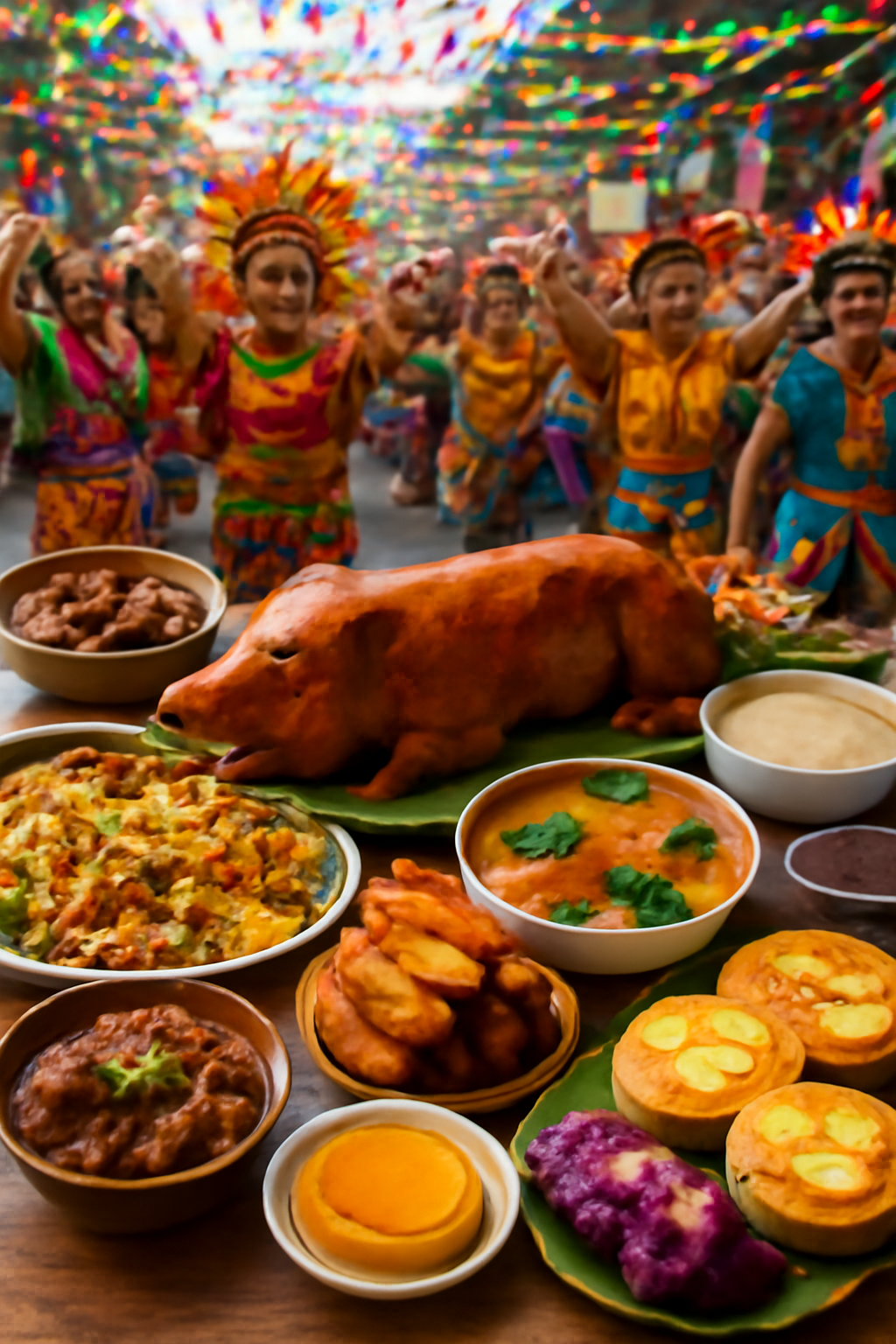
One of the standout dishes during Filipino festivals is Lechon, the whole roasted pig. This dish is a centerpiece of celebrations, especially during Christmas, weddings, and town fiestas. Lechon is often prepared for large gatherings, with the pig marinated and roasted for hours until the skin is crispy and the meat tender. The communal aspect of sharing Lechon makes it a symbol of unity and togetherness, as it is typically served on large platters, allowing people to come together and share a feast. This dish is a fusion of Filipino and Spanish influences and has become one of the most iconic dishes associated with Filipino celebrations.
Another favorite festival dish is Pancit, a noodle dish that is almost always included in Filipino birthday celebrations, New Year’s festivities, and other significant events. Pancit Malabon, with its rich seafood-based sauce, and Pancit Bihon, made with thin rice noodles, are two of the most popular versions of this dish. Pancit is believed to symbolize long life and prosperity, and the noodles are a reminder of the wish for a long, healthy life. Pancit’s versatility also makes it a suitable dish for large gatherings, as it can be easily prepared in large quantities to feed a crowd.
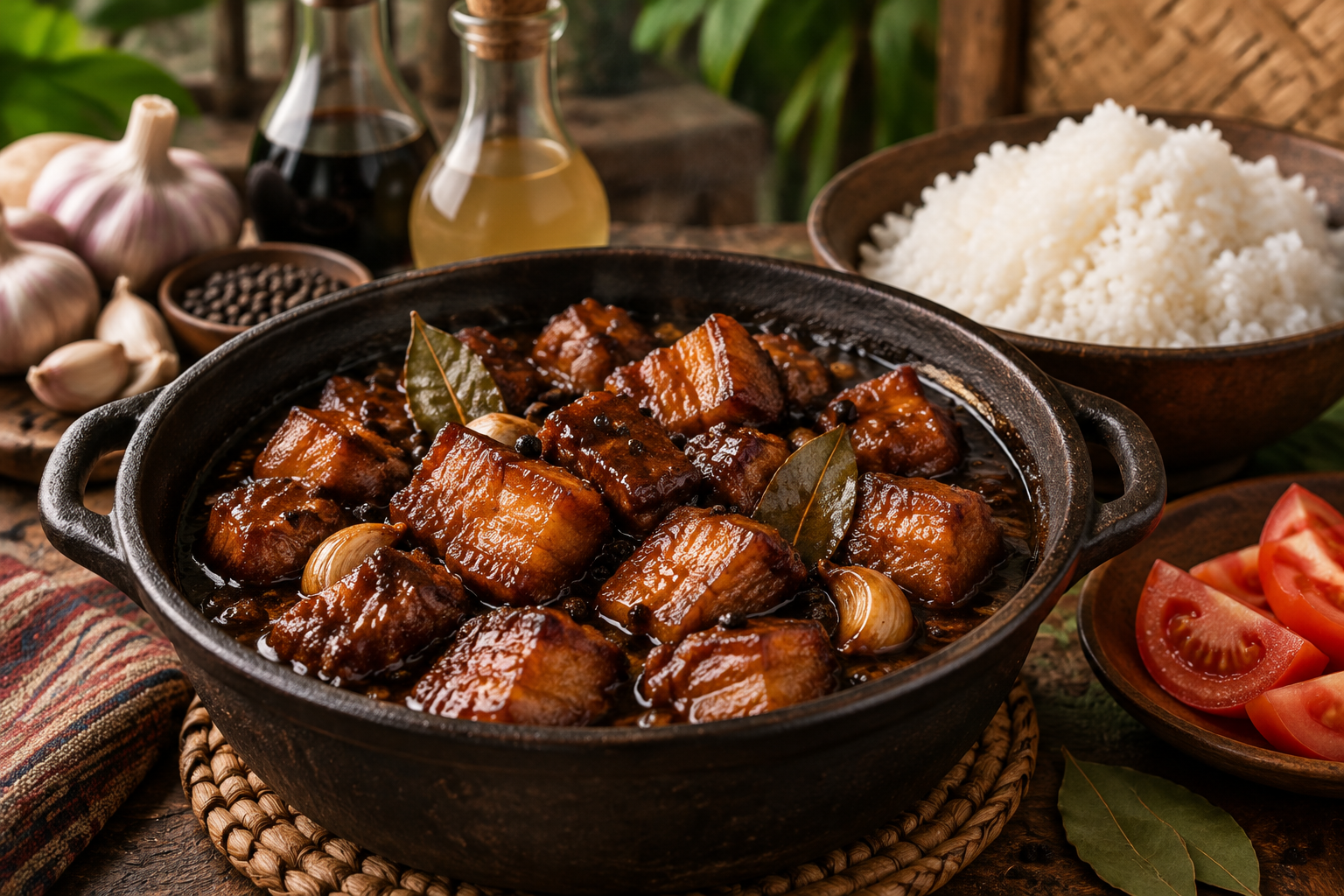
During the Ati-Atihan Festival in Kalibo, Banana Cue is a popular snack that people indulge in while enjoying the lively street performances. This simple yet delicious treat is made by deep-frying caramelized bananas, and it is often sold on the streets in festival areas. Its sweet flavor and crispy texture make it a beloved snack during many Filipino celebrations. Similarly, Adobo, a quintessential Filipino dish of marinated chicken or pork in a tangy soy-vinegar sauce, is commonly served during family gatherings and festivals. Its bold flavor makes it a crowd-pleaser, and it is often paired with rice to complete the meal.
Kare-Kare, a savory stew made with oxtail, tripe, and vegetables in a peanut-based sauce, is a dish that appears on the tables of many Filipino festivals. Often served during the Fiesta (a feast in honor of a patron saint), Kare-Kare is a dish that requires time and effort to prepare, making it a special treat during significant occasions. The addition of Bagoong, a fermented shrimp paste, is a key component, as it provides a salty contrast to the creamy peanut sauce. The presence of Kare-Kare during celebrations reflects the Filipino tradition of sharing hearty, communal meals.
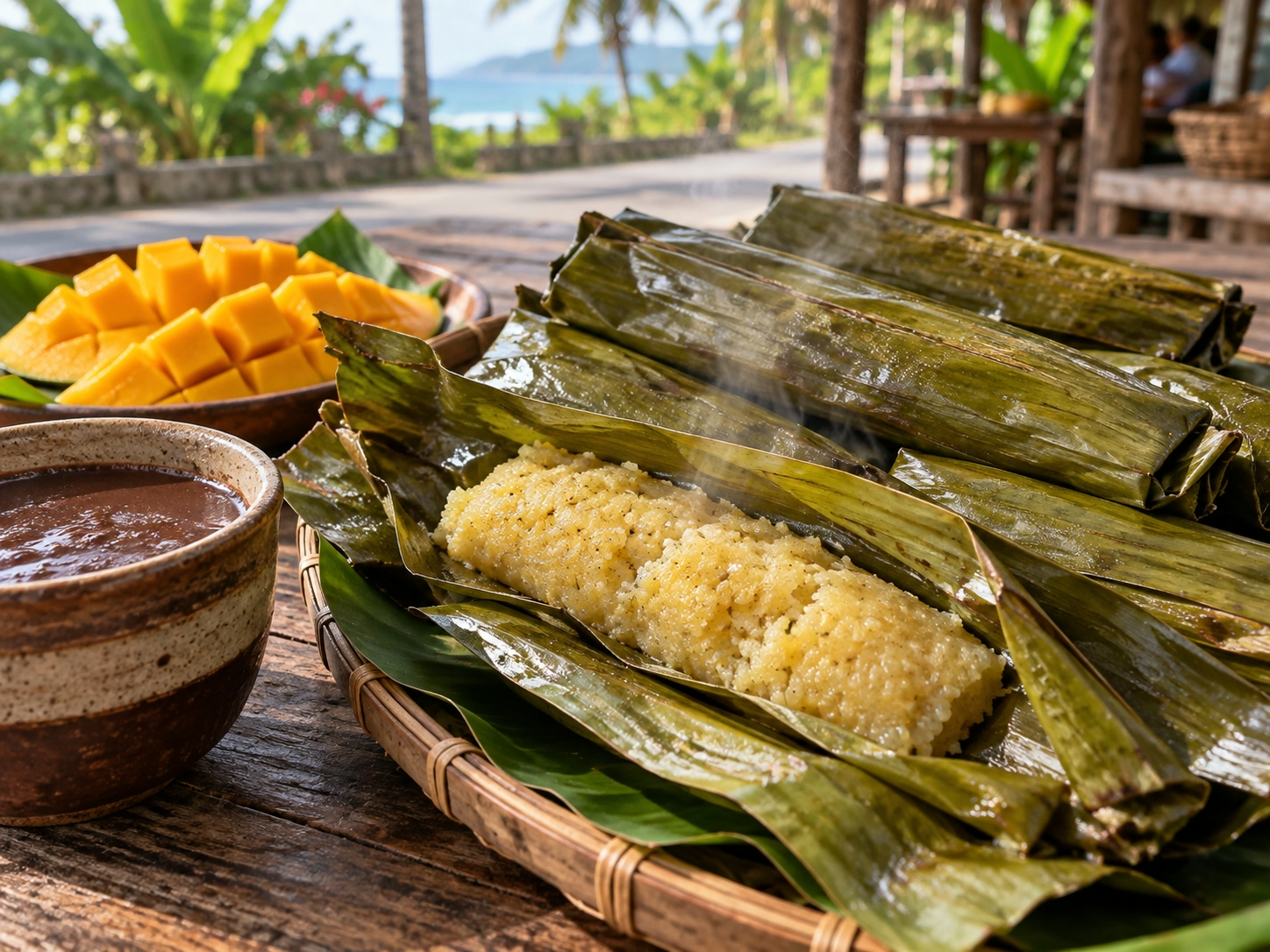
Filipino desserts are another key part of any festive celebration. Bibingka, a rice cake made from rice flour and coconut milk, is a popular treat during Christmas, especially after the Simbang Gabi mass. The rice cake is traditionally cooked in a clay pot, and its flavor is enhanced with salted eggs and cheese. Another dessert, Puto Bumbong, is a purple rice cake steamed in bamboo tubes, typically served during Christmas celebrations as well. These desserts highlight the Filipino love for rice-based sweets, made even more delicious by the use of coconut and sugar.
Among the most beloved Filipino desserts is Leche Flan, a silky, caramelized custard that often takes center stage at weddings, birthdays, and other special occasions. Its rich, smooth texture and sweet flavor make it a favorite among Filipinos, and it’s often served as the grand finale to a festive meal. The dish is also symbolic, representing abundance and joy, making it a fitting dessert for any celebration.
In Filipino culture, the presence of food during festivals symbolizes more than just a meal—it’s a means of connecting with others and celebrating life. During festivals, food becomes a way for Filipinos to express gratitude, foster unity, and honor tradition. It is not just about the flavors; it’s about the stories each dish tells and the memories that are created through sharing these meals with loved ones. From Lechon to Leche Flan, each dish plays a role in making Filipino festivals not only delicious but also meaningful.
Through food, Filipinos celebrate their cultural heritage, strengthen family bonds, and welcome new beginnings. Every festival, every dish, and every gathering serves to reinforce the Filipino values of love, unity, and hospitality—values that continue to thrive in the heart of every celebration. The culinary traditions of the Philippines are not only a feast for the senses but also a celebration of the country’s rich history and diverse cultural influences.