
The Philippines is a paradise for travelers seeking adventure, but it is also a treasure trove of cultural experiences for those who want to connect with local communities. While the country’s more famous destinations offer beautiful beaches and crystal-clear waters, there are countless lesser-known islands where one can discover the true spirit of the Philippines through authentic local experiences.
Batanes is one such island group that offers an unparalleled window into Filipino island life. Located at the northern tip of the Philippines, Batanes is home to the Ivatan people, whose culture has been shaped by the island’s harsh weather conditions and isolation. The traditional stone houses that dot the landscape are both functional and symbolic, protecting residents from the fierce winds and providing a sense of continuity with the past. Visitors to Batanes can also take part in local activities such as fishing, weaving, and farming, which remain vital to the Ivatan way of life.
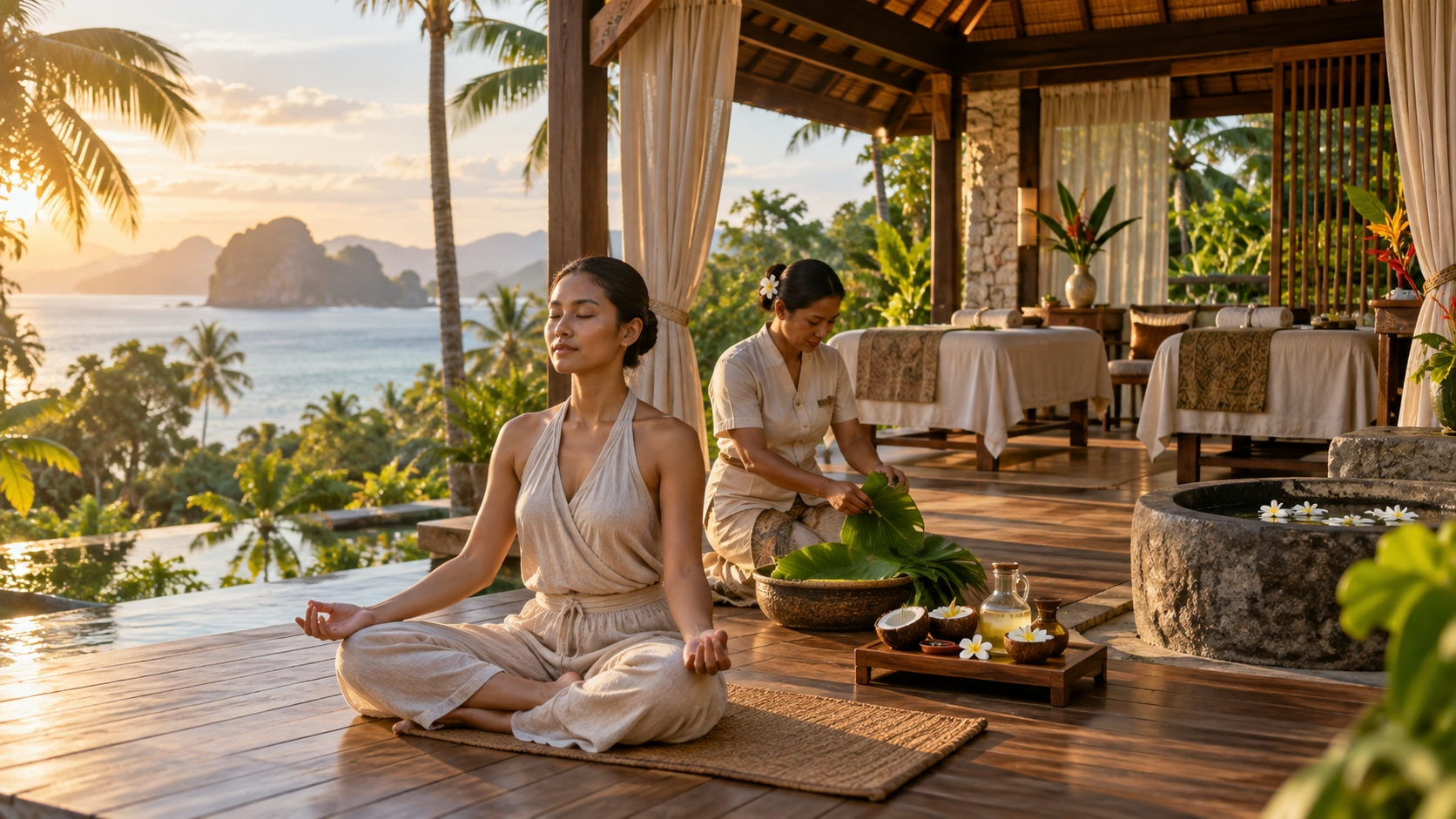
Siquijor, a small island in the Visayas, is another destination that remains largely untouched by mass tourism. Known for its serene beaches and mystical atmosphere, Siquijor is a place where visitors can immerse themselves in the spiritual traditions of the locals. Many Siquijor residents practice traditional healing arts passed down through generations, and travelers can learn about these practices, which often involve the use of local herbs and spiritual rituals. The island’s natural beauty, including hidden waterfalls and secluded coves, provides the perfect backdrop for exploring the local culture.
In addition to these well-known islands, Camiguin offers a quieter, more intimate experience of Filipino island life. Known as the “Island Born of Fire” due to its volcanic origins, Camiguin is a haven for nature lovers and history enthusiasts alike. The island’s volcanic terrain offers opportunities for hiking and adventure, while historical sites like the Old Church Ruins tell the story of the island’s colonial past. The warm and welcoming locals are always ready to share their stories and traditions, providing visitors with a deeper understanding of the island’s rich heritage.
The indigenous communities of the Cordillera Mountains also offer a unique look into the traditions of the Philippines. The Ifugao people, who reside in the Banaue region, are famous for their rice terraces, which are among the most spectacular agricultural feats in the world. These terraces have been cultivated for over 2,000 years and are a testament to the Ifugao’s sophisticated farming methods and deep respect for the environment. A visit to the terraces provides an opportunity to learn about the Ifugao’s culture, rituals, and connection to the land.
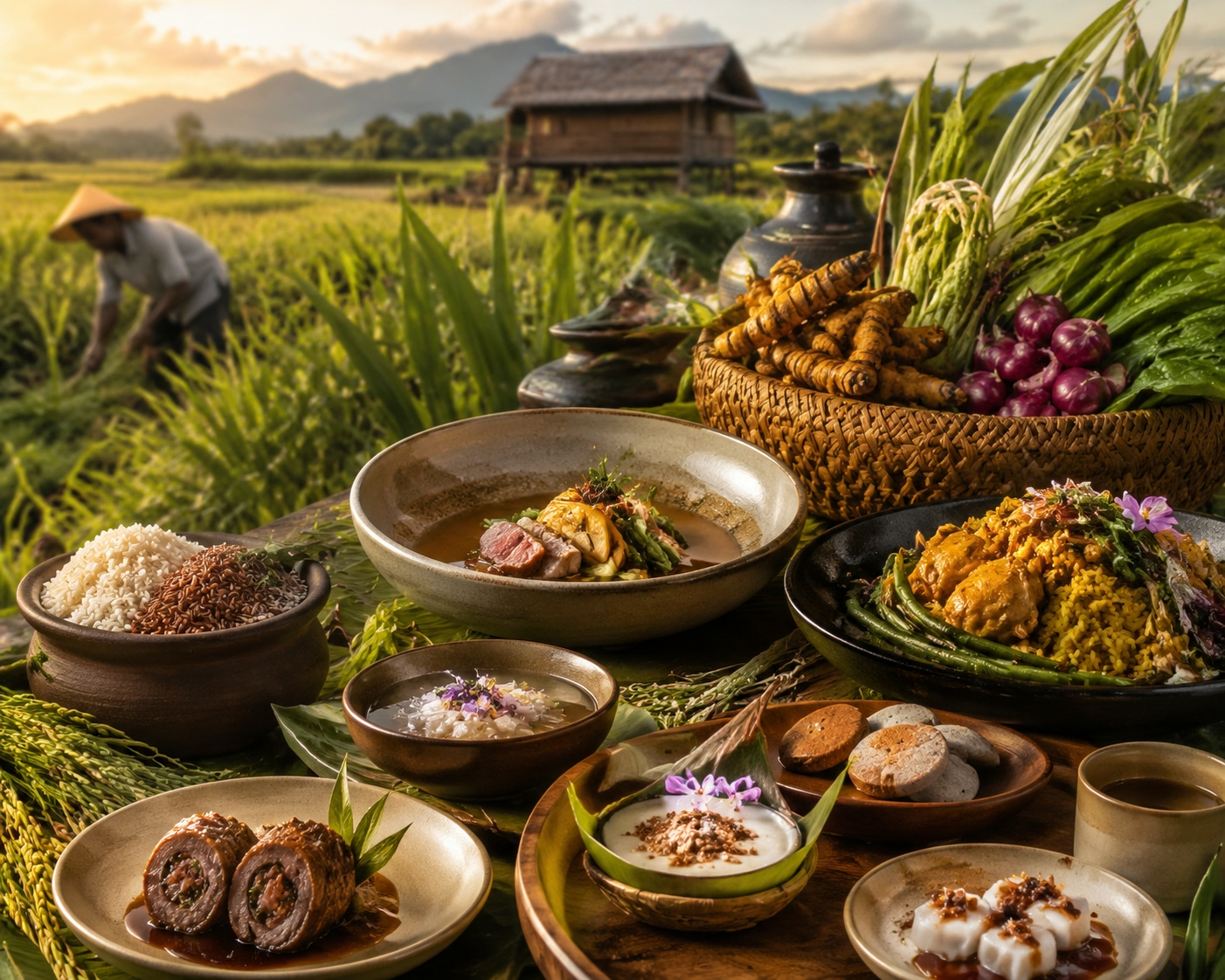
Food is another essential aspect of experiencing the authentic life of the Philippines. The islands’ diverse offerings reflect the cultural influences that have shaped the country over centuries. In local markets, visitors can sample a variety of dishes like “lechon” (roast pig), “pancit” (noodles), and “halo-halo” (a sweet dessert). The freshness of the ingredients and the flavors, which are often bold and spicy, highlight the connection between food and culture in the Philippines.
The best way to experience the local life of the Philippine islands is to engage with the people. Whether you are learning to weave a traditional basket or simply sharing stories over a cup of “kapeng barako” (local coffee), the warmth and hospitality of the locals make the islands a welcoming place for those looking to explore the authentic Filipino way of life.
Traveling to the Philippines is not just about visiting picturesque beaches or tourist hotspots—it’s about connecting with the culture and communities that make the islands truly unique. By seeking out these hidden gems and engaging with the local people, travelers can gain a deeper understanding of what makes the Philippine islands so special.