Rice is far more than just a staple food in the Philippines—it is an integral part of the country’s culinary traditions and social fabric. For Filipinos, rice represents nourishment, identity, and culture. It is woven into the everyday lives of the people, appearing in nearly every meal and playing a central role in both family traditions and the broader Filipino way of life.
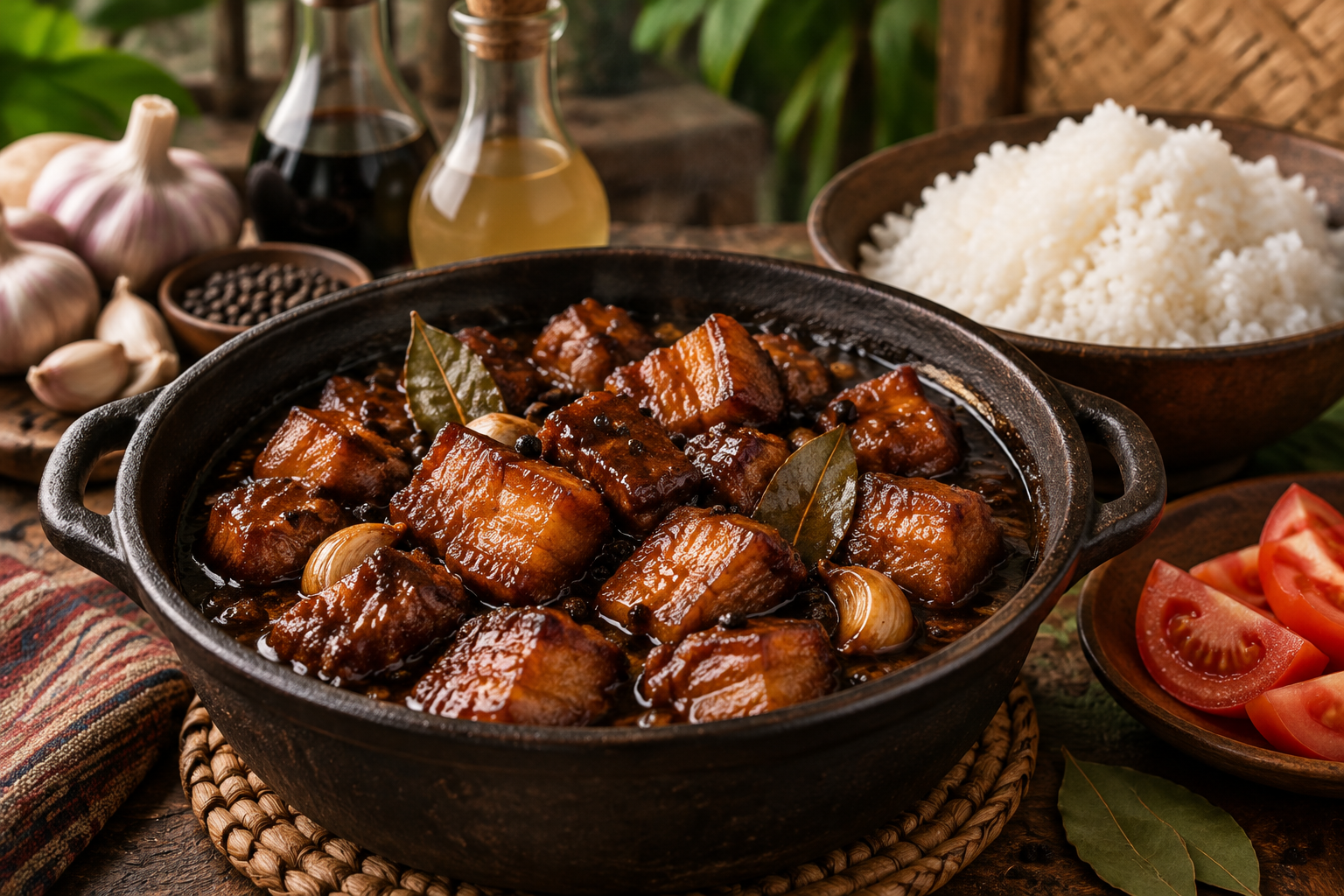
In the Filipino household, rice is a fundamental part of every meal. The versatility of rice is demonstrated in its ability to complement a wide array of dishes, from pancit (noodles) to sinigang and sinigang na baboy (pork in sour soup). Its delicate flavor allows it to blend seamlessly with the strong flavors of Filipino cuisine, such as soy sauce, garlic, vinegar, and various spices. Without rice, many Filipino dishes would feel incomplete, as it provides the necessary balance to the intense flavors found in the accompanying main dishes.
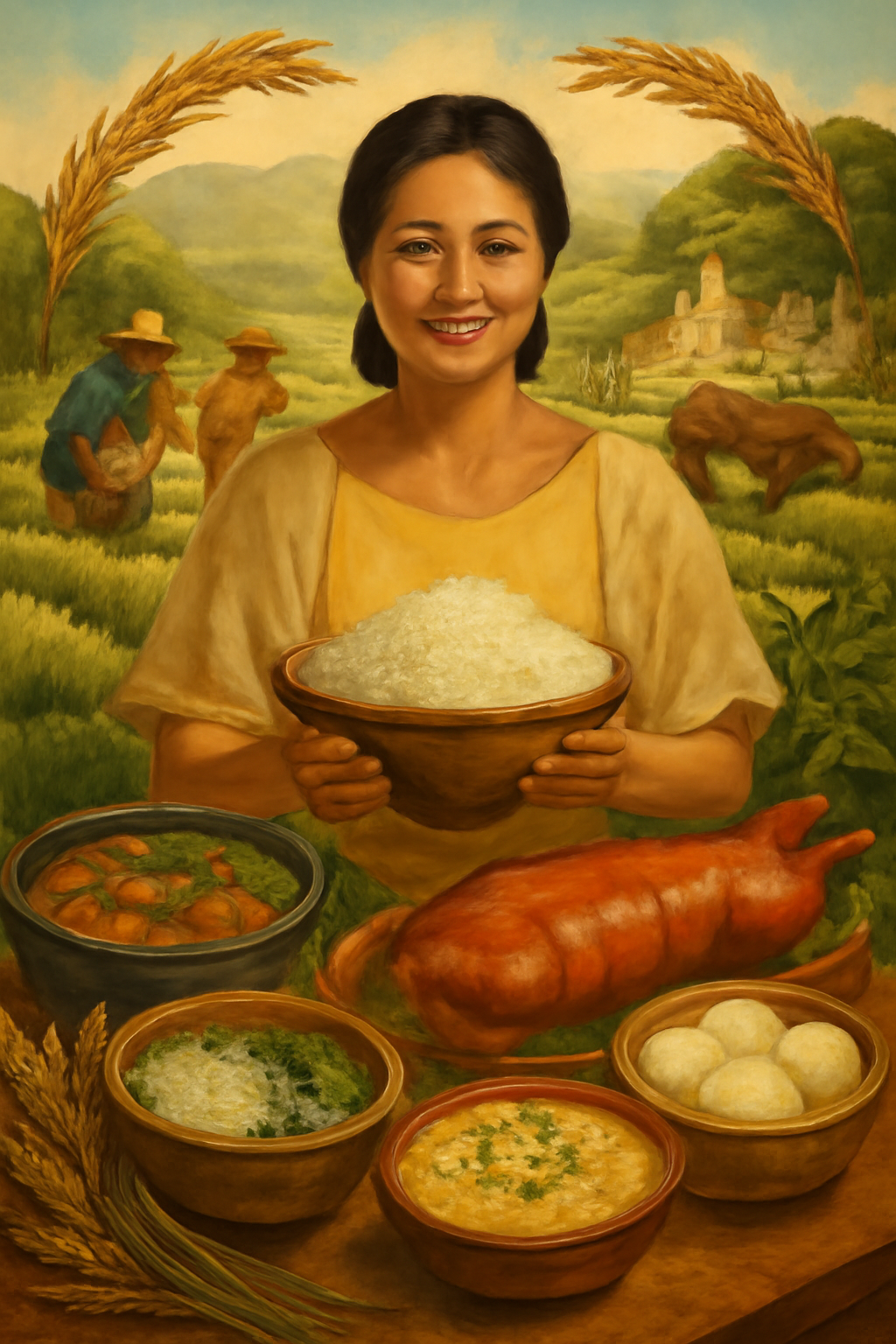
Rice also holds an important cultural and symbolic role. In Filipino culture, rice is a symbol of life, sustenance, and prosperity. It is an essential part of many rituals and celebrations, representing abundance and fertility. During harvest festivals, rice is celebrated as a gift of nature, and the act of rice planting and harvesting is deeply embedded in Filipino traditions. In rural areas, rice farming is not only a way of life but also a source of pride for many families.
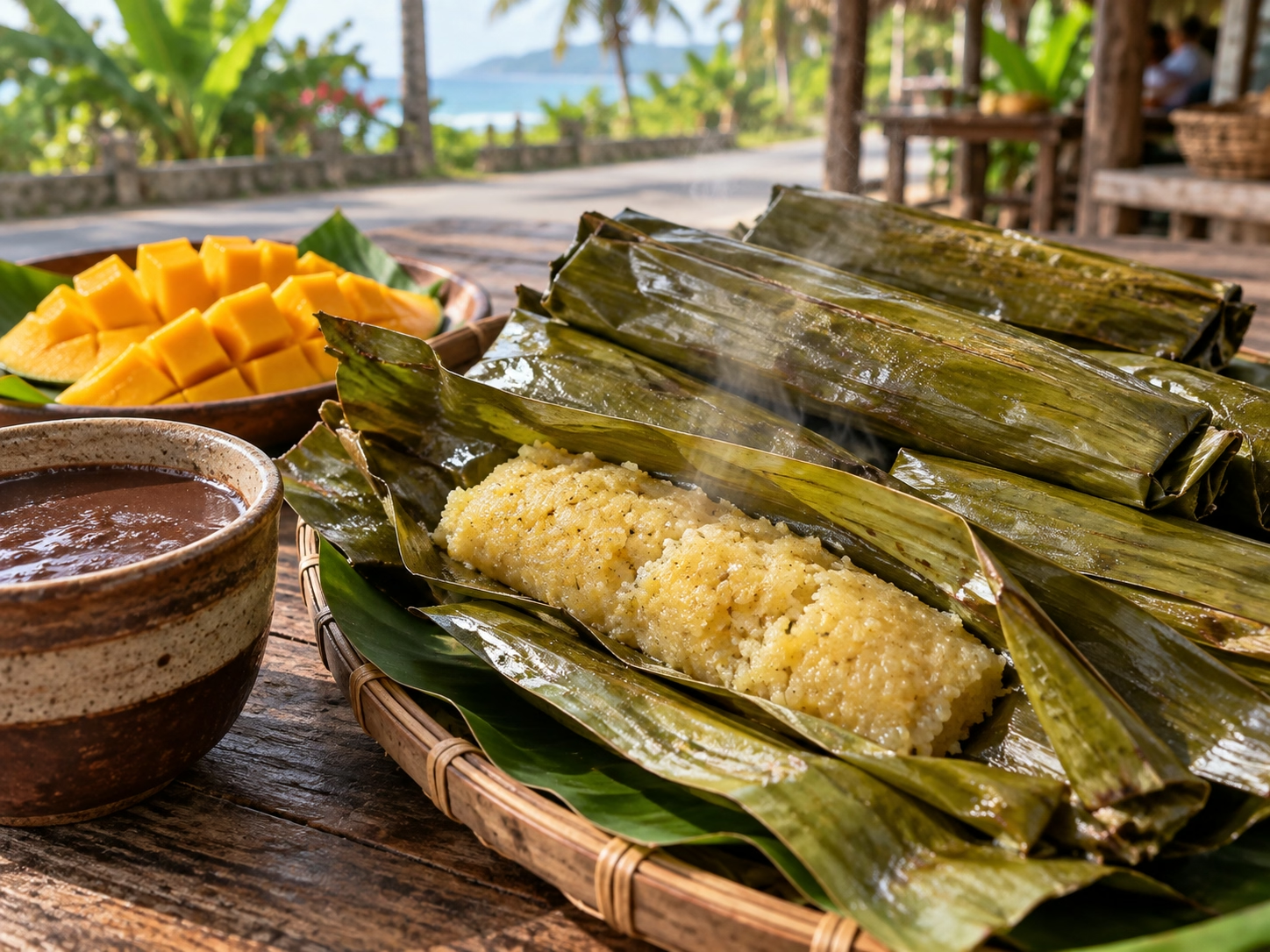
The variety of rice dishes in Filipino cuisine is truly remarkable. While plain rice (kanin) is the most common form, it is also transformed into an array of traditional treats. Biko, a sticky rice dessert, and kutsinta, a sweet steamed rice cake, are beloved Filipino snacks. Other rice-based dishes such as arroz caldo offer warmth and comfort, while paella and bibingka showcase the adaptability of rice in festive dishes. These preparations demonstrate how rice is not just a meal component but an ingredient capable of creating diverse culinary experiences.
Rice cultivation remains vital to the Filipino economy, with rice farming being a key industry in rural regions. As one of the largest rice producers in Southeast Asia, the Philippines’ agricultural sector is heavily reliant on rice cultivation, providing employment and supporting the livelihoods of millions of Filipinos. The government continues to invest in rice production to ensure food security and sustainability for the nation.
Additionally, rice holds a place in Filipino hospitality. It is customary to serve rice to guests as a gesture of generosity and goodwill. In many households, offering rice to visitors is an expression of Filipino warmth and respect, emphasizing the importance of sharing and community.