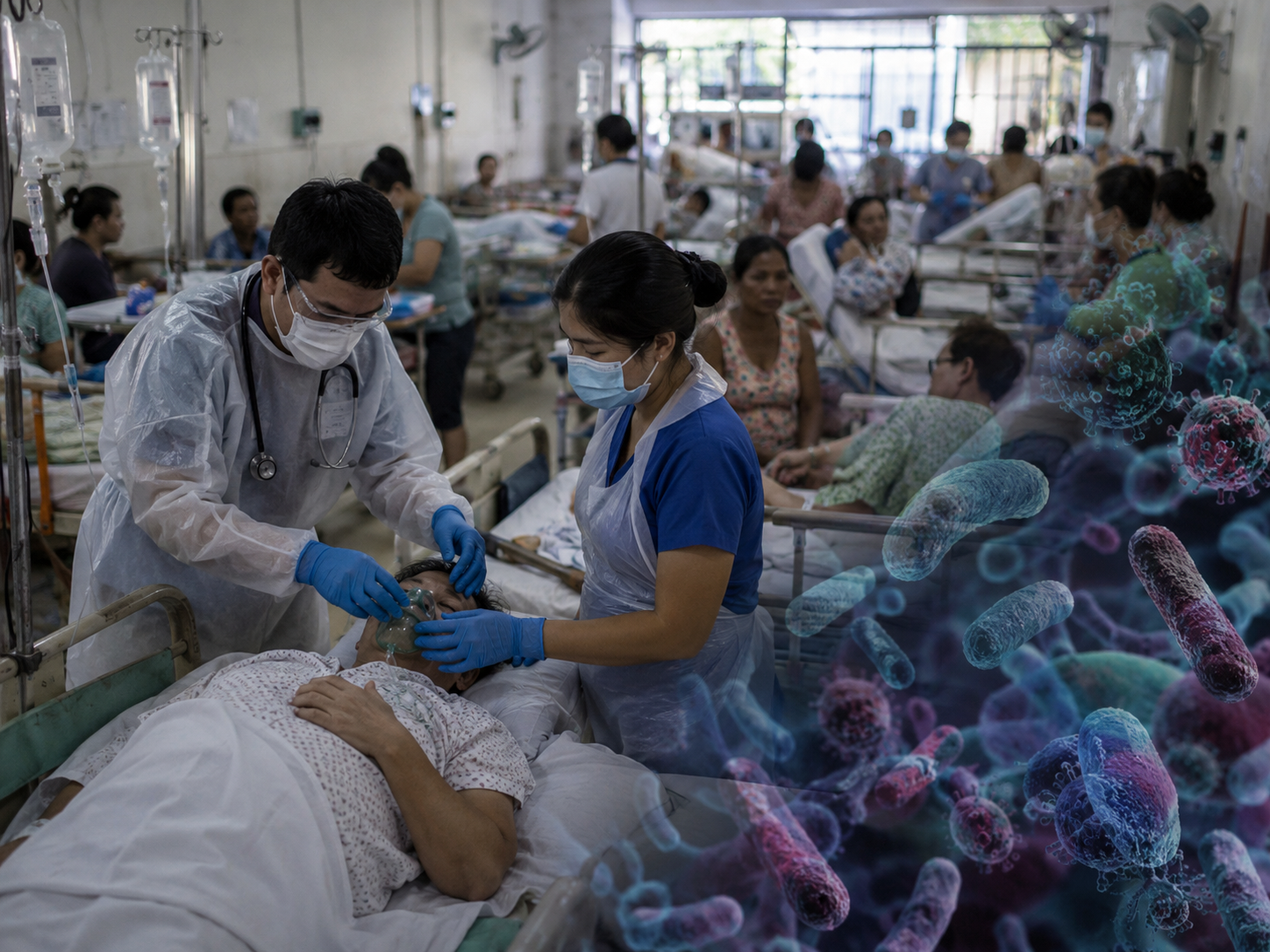
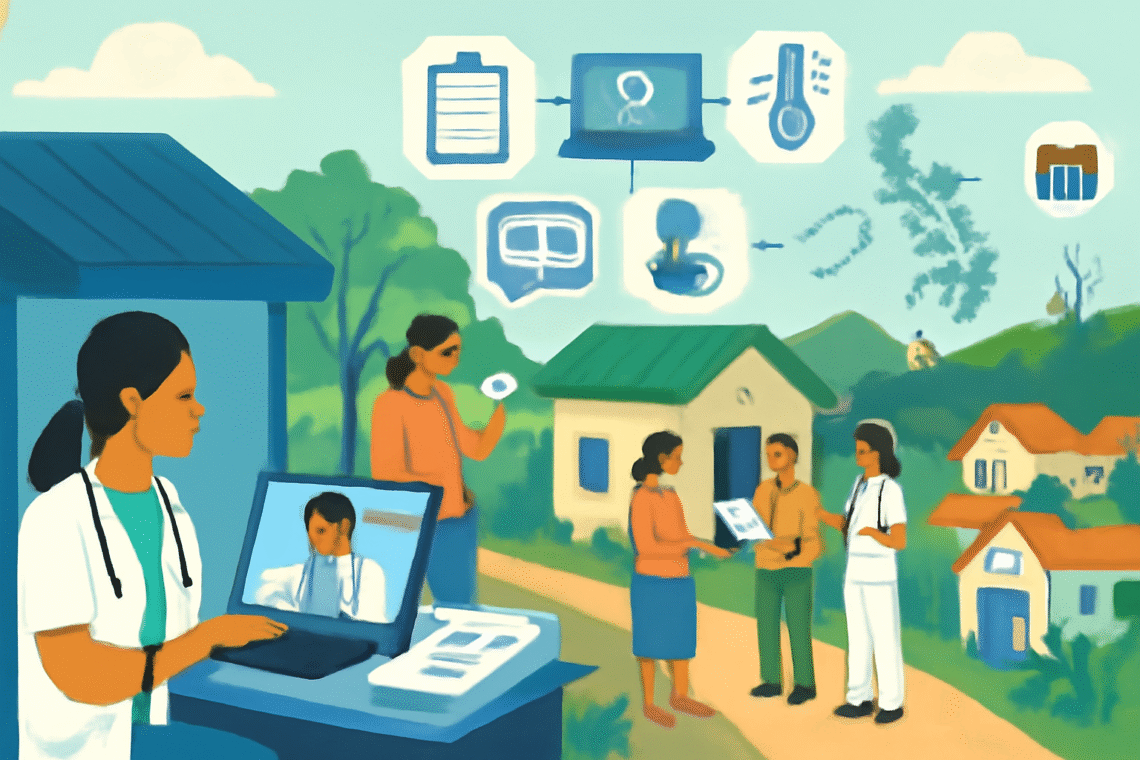
The Philippines’ healthcare challenges—scattered geography, facility congestion, and workforce shortages—are well known. A practical technology playbook is emerging, focused on three pillars: telehealth for reach, electronic records for continuity, and AI for scale.
Telehealth broadens access quickly. Primary care consultations by video or voice mitigate travel barriers for rural and island residents. Specialist outreach clinics via teleconferencing bring cardiology, dermatology, and mental health to municipal hospitals that lack subspecialists. When combined with remote monitoring—blood pressure cuffs, glucometers, pulse oximeters—telehealth moves beyond advice into ongoing disease management. Clear clinical protocols (e.g., chronic disease follow-up schedules and referral triggers) help maintain quality.
Electronic medical records are the backbone of continuity. EMRs ensure that laboratory results and imaging follow the patient across facilities, enabling faster diagnoses and safer prescribing. For health authorities, de-identified data aggregates power dashboards that surface service gaps: which barangays lag in immunization, where maternal health indicators are deteriorating, which clinics require additional staff or supplies. Standard vocabularies and APIs reduce integration costs, allowing legacy systems to be upgraded rather than replaced.
Artificial intelligence addresses bottlenecks. Decision support systems flag drug interactions, recommend care pathways, and prioritize high-risk cases for review. Computer-aided detection assists in TB screening using digital radiography, particularly where radiologists are scarce. Triage chatbots absorb common queries—fever, cough, rashes—providing structured guidance and routing urgent cases appropriately. AI must be validated for local epidemiology and used with clinician oversight, but it can stretch limited manpower.
Public health logistics benefit from digitization. Electronic stock cards, barcode scanning, and automated replenishment reduce stockouts of essential medicines and family planning supplies. Cold-chain monitoring with IoT trackers helps vaccines arrive potent despite long journeys through heat and humidity. During outbreaks, digital contact tracing and lab result integration accelerate response.
Policy frameworks are critical. Data protection under the Data Privacy Act ensures confidentiality, while governance bodies specify standards for interoperability and cybersecurity. Reimbursement models that recognize teleconsults and remote monitoring encourage providers to embed digital care into routine practice rather than treating it as a pilot. Procurement that emphasizes open standards and outcome-based contracts reduces future fragmentation.
Implementation should prioritize human factors. Training plans for clinicians and barangay workers, help desk support, and iterative usability testing prevent “digital burden.” Offline capabilities and low-bandwidth design are non-negotiable in areas with unstable connectivity. Community engagement—explaining how data are used and protected—builds trust, particularly for sensitive services like mental health or HIV care.
Technology is not a silver bullet, but it is a strong lever. When telehealth links remote communities, EMRs unify information, and AI augments clinical judgment, the system becomes more accessible and resilient. The Philippines can scale this playbook by starting where the need is greatest, measuring outcomes, and continuously refining tools to fit local realities.