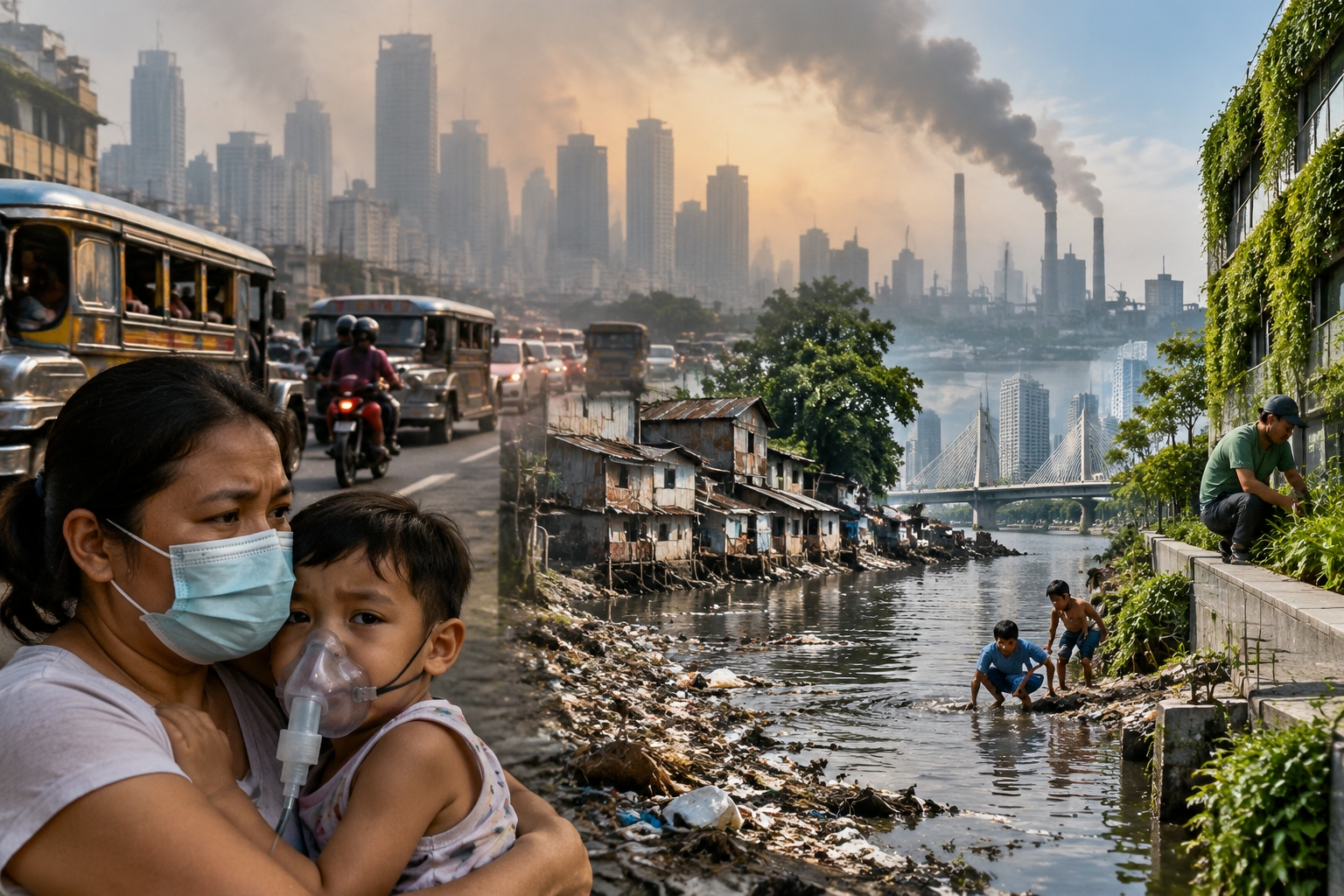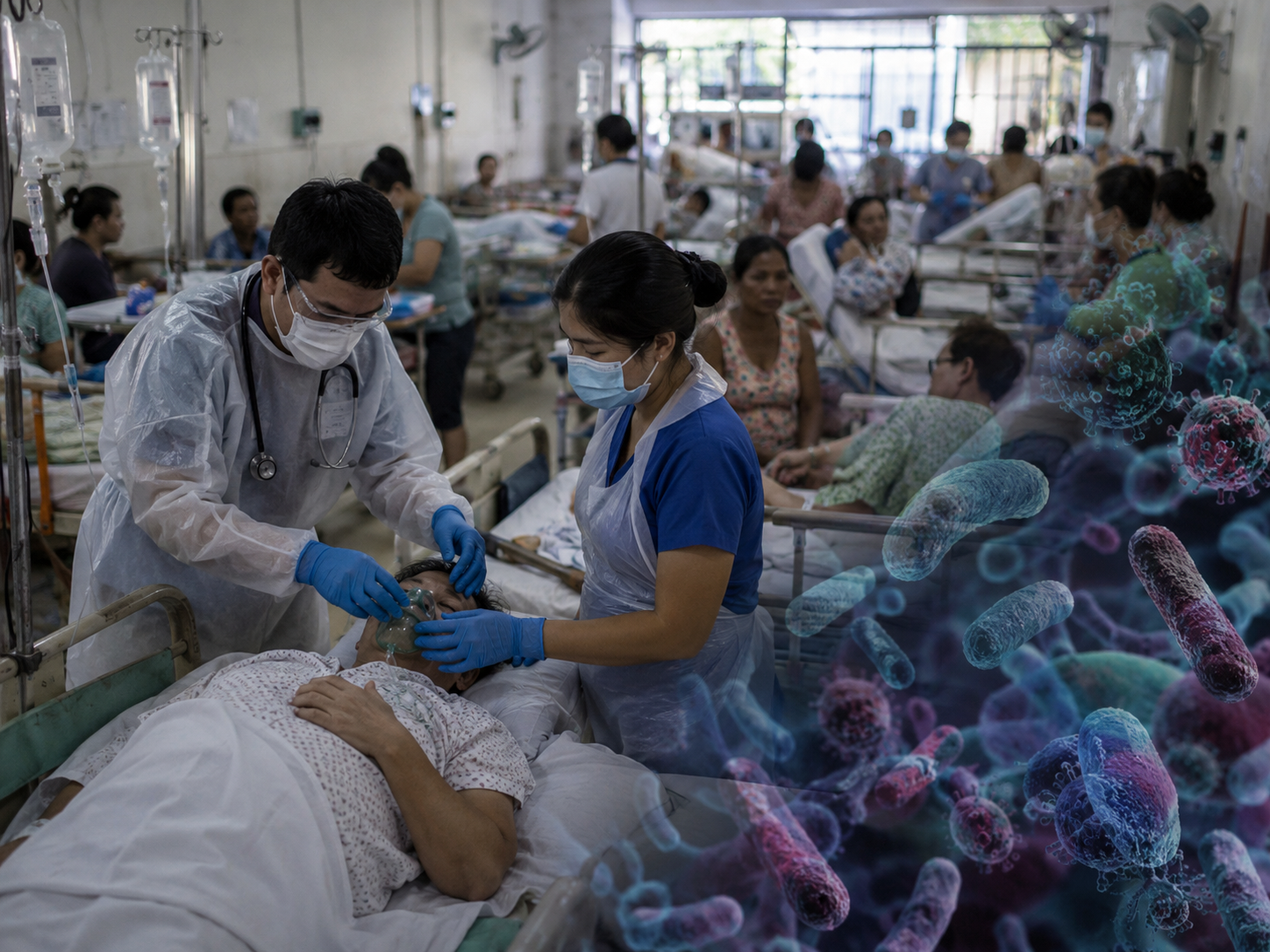

Health in the Philippines is inseparable from the quality of the air people breathe and the water they drink. Urban air pollution, driven by congested traffic, construction, diesel generators, and industrial sources, elevates fine particles that are small enough to penetrate deep into lung tissue. Over time, this exposure heightens risks for asthma, COPD, cardiovascular disease, and strokes. Short-term spikes during rush hours or heat events often trigger acute symptoms and ER visits, particularly among children and seniors.
Indoors, the combustion of charcoal, wood, or kerosene adds another layer of risk. Women preparing meals and infants nearby receive the highest doses. Even households using cleaner fuels can be affected by secondhand smoke and poor ventilation, illustrating how housing quality and behavior intersect with environmental exposures.
Water-related pollution is equally consequential. Inadequate sewerage and treatment facilities allow pathogens to circulate, and intense rains can carry them into shallow wells and distribution lines. Diarrheal diseases remain a leading concern, while leptospirosis spikes after flooding when people wade through contaminated water. Agricultural chemicals and urban runoff accumulate in rivers and estuaries, threatening fisheries and the food supply.
Solid waste management shapes health in direct and indirect ways. Uncollected garbage attracts pests and blocks drains, amplifying dengue risk and flood damage. Open burning of mixed waste releases carcinogens and fine particles. At the shoreline, plastics and discarded gear damage coral reefs and degrade fish habitat; microplastics have been found in many marine species, with uncertain but worrisome implications for long-term human health.
Certain groups carry disproportionate burdens. Roadside vendors, drivers, and traffic enforcers inhale higher concentrations of exhaust; children living close to highways show more respiratory symptoms; and people in informal settlements may face both indoor smoke and outdoor contamination. Workers in mining, recycling, and manufacturing encounter chemical hazards that require vigilant occupational health practices.
Policy tools exist to mitigate these harms. National laws on air quality, water protection, and solid waste provide standards and penalties, while local governments can tailor solutions: anti-smoke belching campaigns, fleet modernization, green public transport, and pedestrian- and bike-friendly streets. Expanding wastewater treatment and investing in fecal sludge management reduce disease transmission. Materials recovery facilities and extended producer responsibility can curb plastic leakage.
Public health strategies bridge the gap between regulation and daily life. Monitoring networks and transparent data help communities understand risk. Health centers can distribute guidance on asthma control, promote smoke-free homes, and encourage point-of-use water disinfection during outbreaks. Urban greening buffers schools and hospitals from traffic corridors and cools neighborhoods where ozone might otherwise rise.
Viewed together, cleaner air and water are not luxuries but foundations of development. The returns show up in fewer hospital admissions, improved school performance, stronger worker productivity, and lower health costs for families. Investing in prevention—across transport, sanitation, waste, and housing—sets the stage for healthier, more resilient cities and towns across the archipelago.