
In recent years, Filipino cuisine has been experiencing a renaissance in modern restaurants and cafes, attracting food lovers eager to explore the flavors of the Philippines. While Filipino food has always been beloved by locals, it is only recently that it has garnered significant attention on the global dining stage. The unique combination of indigenous ingredients, diverse influences, and bold flavors has made Filipino food an exciting culinary frontier for modern chefs and restaurateurs.
Filipino dishes, which traditionally rely on hearty ingredients such as pork, beef, and seafood, are now being transformed with modern cooking techniques to cater to evolving tastes. Chefs are embracing sous-vide cooking, pressure cooking, and other innovative methods to enhance the texture and depth of classic dishes. For example, a traditional serving of lechon, a whole roasted pig, is now often presented in smaller, more refined portions in upscale restaurants. The crispy skin and tender meat are served alongside contemporary garnishes that elevate the dish without compromising its authentic flavor.
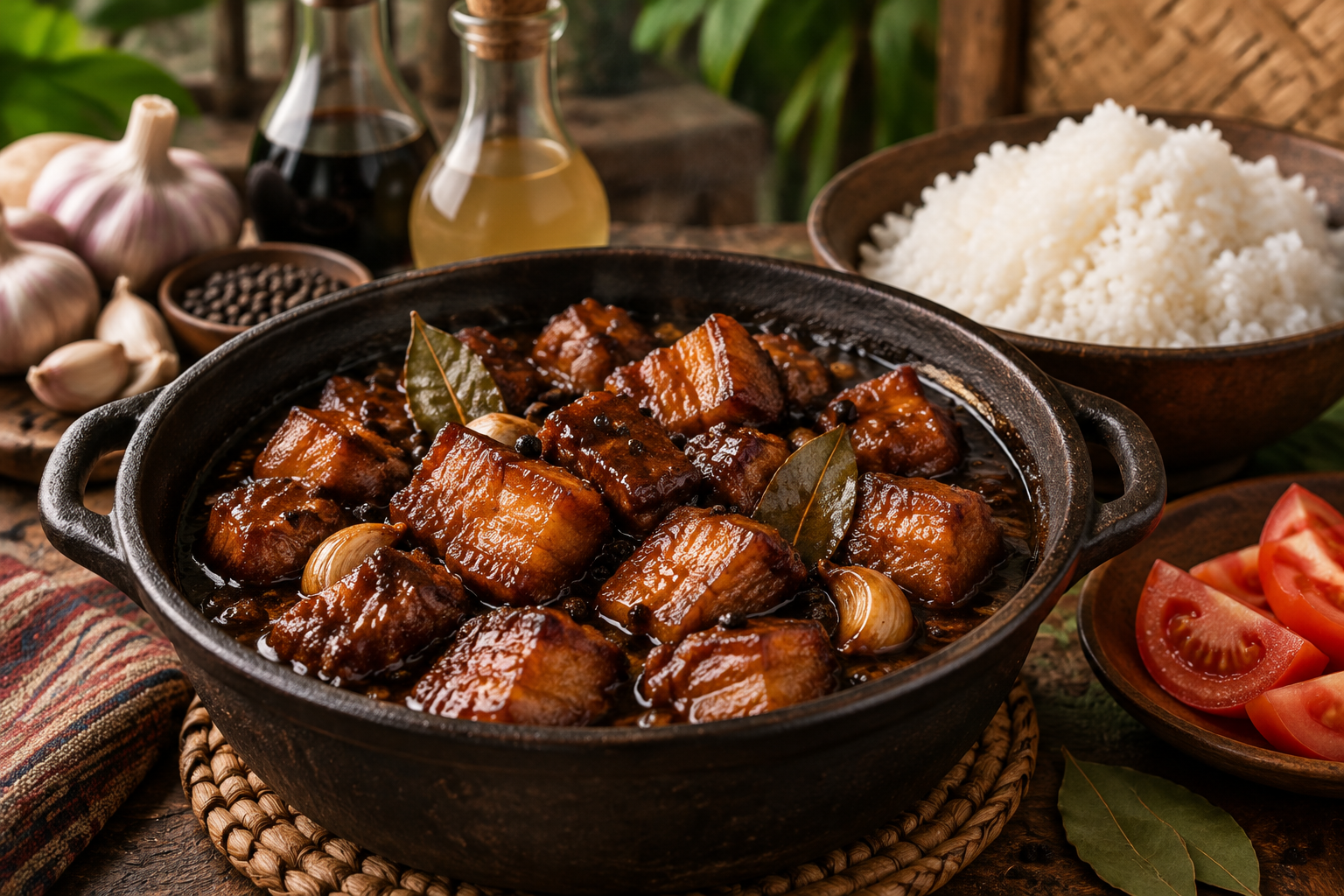
Moreover, Filipino cuisine is seeing a surge in popularity due to the fusion of local flavors with international culinary trends. Modern Filipino restaurants are incorporating global ingredients and techniques into their offerings, creating dishes that are at once familiar and innovative. A popular example of this is the Filipino-Mexican fusion dish, the “lechon taco,” where the crispy, flavorful pork is served inside a taco shell with tangy salsa and creamy guacamole. Similarly, Filipino-inspired pizza topped with adobo chicken or longganisa sausage is becoming a trendy choice among food enthusiasts looking for new flavor combinations.
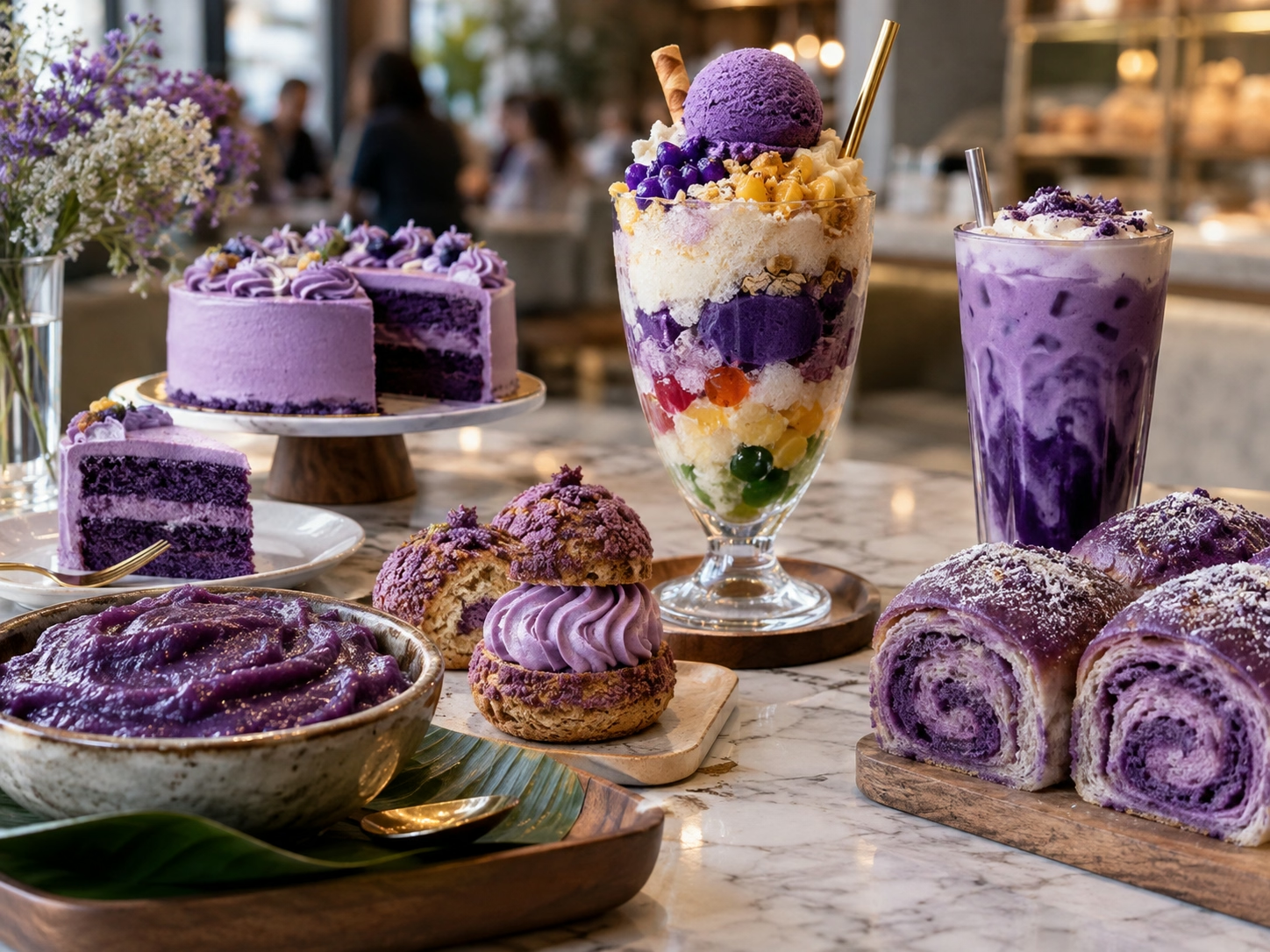
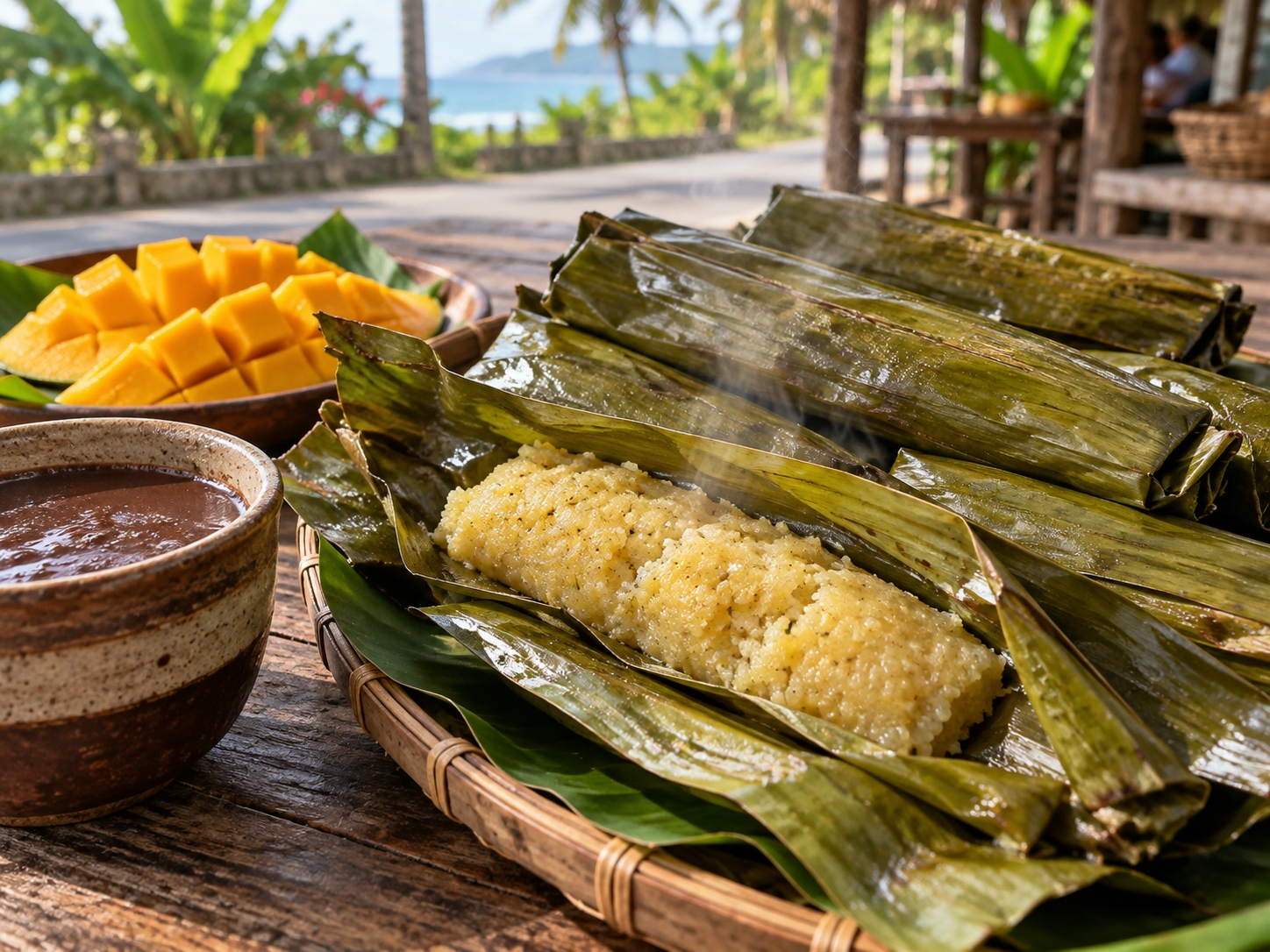
In addition to reimagining traditional Filipino entrees, desserts are also playing a pivotal role in this culinary movement. Desserts like bibingka (rice cake) and leche flan are being reinterpreted using modern presentation techniques. A single serving of leche flan might be transformed into an intricate dessert that incorporates elements like edible flowers, candied fruits, and delicate syrups. Halo-halo, the beloved Filipino dessert made with shaved ice and various sweet ingredients, is now being served in upscale cafes in designer glassware, offering a more sophisticated take on the classic dish.
The design and atmosphere of Filipino-inspired restaurants and cafes are also being modernized to reflect a more contemporary aesthetic. High-end Filipino dining establishments are blending rustic elements with sleek, minimalist interiors, creating an atmosphere that feels both luxurious and inviting. This fusion of Filipino heritage and modern design has proven to be appealing to both the Filipino diaspora and adventurous diners seeking something fresh and exciting.
As Filipino food makes its mark on the global culinary stage, chefs are also becoming more focused on highlighting the regional diversity of the Philippines. Different regions of the country offer unique flavors and cooking methods, and this regionality is being embraced by modern restaurants. For instance, in Manila, dishes like crispy pata (fried pork knuckles) and kare-kare (oxtail stew in peanut sauce) are being served with contemporary twists, while Cebu-based dishes like lechon are being reinterpreted with new spices and flavors.
The growing presence of Filipino food in modern dining establishments also reflects the broader trend of global food exploration. Diners today are more curious than ever about trying new cuisines and discovering unique food cultures. As Filipino cuisine offers a vibrant mix of flavors influenced by multiple cultures, it offers an intriguing option for those looking to experience something different from the more familiar Asian food options.
By infusing Filipino culinary traditions with modern techniques and aesthetics, restaurants and cafes are helping to reintroduce Filipino cuisine to a global audience. The blend of the traditional and the innovative is ensuring that Filipino food will continue to thrive and evolve, creating new opportunities for chefs and restaurateurs while preserving the rich heritage of Filipino cooking.