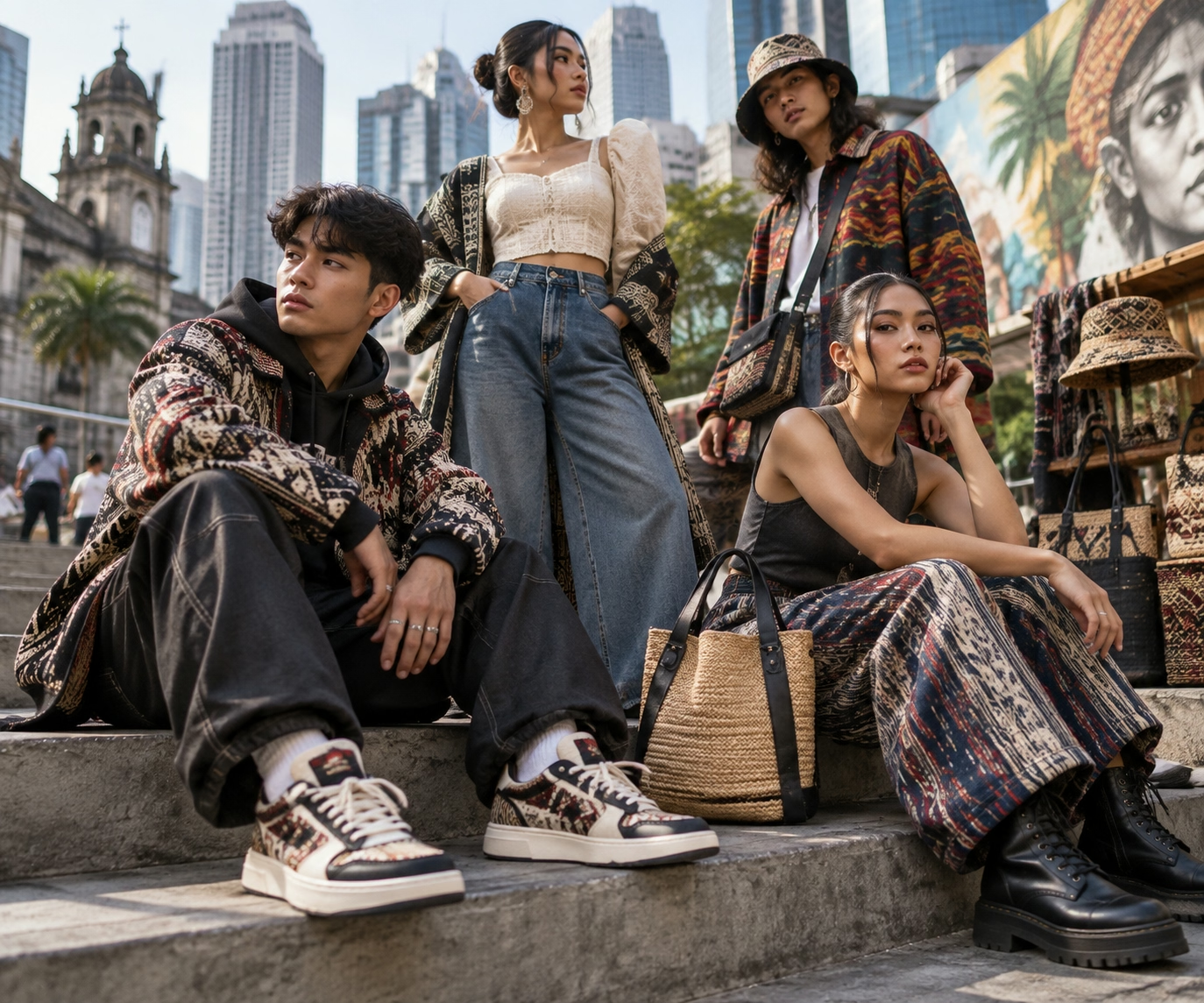

What defines the new wave of Filipino accessories is motion—the way light glides across pearl, how canework breathes, how motifs travel from ceremony to streetwear. The result is a contemporary wardrobe where heritage elements move with you.
In jewelry, pearls set the tone. South Sea varieties from Philippine waters deliver a soft glow that flatters all skin tones. Designers suspend single pearls on slender threads for a floating effect, or cluster baroque forms on ear jackets that read sculptural. Pair that with metalwork drawn from the archipelago’s filigree tradition: twisted wires forming sunbursts, ferns, or openwork medallions that cast lacy shadows on the skin. Meanwhile, baybayin engravings infuse clean, modern silhouettes with a personal story, often on coin pendants or slim cuffs.
A parallel story unfolds in shells. Capiz is cut into hexagons and circles, overlayed like stained glass for earrings that feel weightless. Mother-of-pearl is carved into petals, then nested in gold bezels to create botanical studs and brooches that slip between day and evening. These materials balance translucence and reflectivity, perfect for city light or seaside glow.
Bags showcase engineering as much as style. Abaca fibers are braided into cords, then spiraled into crescents and cylinders that hold form without bulk. Rattan gets steamed and bent into arches to frame handhelds, finished with the iconic solihiya weave that ventilates while staying strong. Piña panels bring a whisper-thin shimmer to clutches, often backed by silk or cotton for durability. Many pieces feature leather corners, brass feet, and zip-top closures—details that turn natural materials into everyday workhorses.
Textile artistry stitches the islands together. Inabel from the north—crisp, breathable, often striped—wraps tech sleeves and travel pouches. T’nalak from the south delivers coffee, rust, and cream patterns with mesmerizing symmetry, now appearing as bag insets and wide belts. You’ll spot motifs like the sampaguita (national flower), stylized waves, and okir curls in hardware etching and embroidery, a subtle cue that the design language is place-based.
Ethics are not an afterthought. Maker co-ops scale slowly to keep quality intact. Workshops repurpose fiber offcuts into tassels and key fobs. Pearl farms monitor water conditions, and some brands trace materials so buyers can see exactly which community produced a piece.
Styling with motion in mind means choosing pieces that articulate: filigree earrings that sway against a cashmere turtleneck; a rattan shoulder bag paired with a linen blazer; a piña-trim wristlet riding alongside a day dress and sneakers. Neutral outfits spotlight texture, while monochrome looks let patterns shine.
Care is pragmatic. Pearls thrive with skin contact but need a wipe-down; keep shells cushioned; don’t overload rattan; avoid soaking abaca; store woven textiles folded, not hung, to prevent stretch.
This is wearable design with a pulse—quietly luxurious, culturally fluent, and ready for everyday movement.