
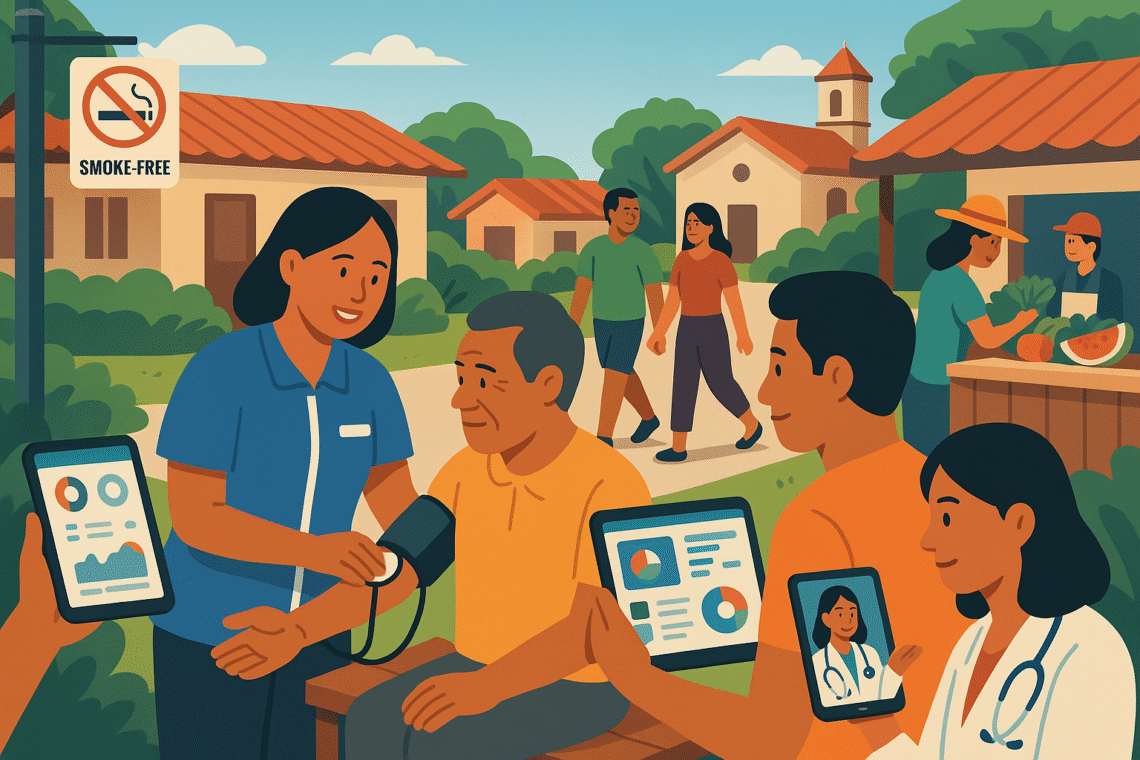
Non-communicable diseases in the Philippines are as much a systems problem as a clinical one. The question is not just which medicines to use, but how to finance, govern, and deliver services so that effective interventions reach people consistently, especially the poor. Three levers stand out: predictable financing, smart regulation, and high-performing primary care.
Financing first. Chronic disease requires long-term, predictable coverage. PhilHealth can anchor this by fully reimbursing essential hypertension and diabetes medications, basic labs (HbA1c or fasting glucose, lipid profile, creatinine), and routine blood pressure and weight monitoring. Capitation payments to primary care providers, enhanced by performance bonuses for control rates, shift incentives from episodic care to continuity. Earmarking a share of sin tax revenues for NCDs stabilizes budgets and ties prevention funding to risk-factor reduction.
Smart regulation reshapes the environment. Tobacco and alcohol excise taxes, minimum pricing, and strict enforcement of smoke-free laws reduce consumption. Excise taxes on sugar-sweetened beverages, front-of-pack nutrition labeling, and trans fat elimination encourage healthier products. Public procurement standards for hospitals and schools—low-salt meals, no sugary drinks—set norms. Urban planning policies that require sidewalks, green spaces, and traffic calming reduce injuries and encourage physical activity, multiplying benefits beyond clinics.
Primary care is where control is won or lost. Standardized protocols (PhilPEN/WHO PEN) allow nurses and midwives to initiate treatment safely, freeing physicians for complex cases. Task sharing should be matched with training, supervision, and decision-support tools inside electronic medical records. Fixed-dose combination antihypertensives and once-daily diabetes regimens simplify adherence. Stockouts are often the hidden enemy; framework contracts, local buffer stocks, and transparent procurement dashboards keep shelves filled.
Referral systems need clarity. District hospitals should guarantee rapid workups for chest pain, suspected stroke, or complicated diabetes, with back-referrals that include updated medication plans. Tele-cardiology, e-consults for endocrine cases, and radiology teler eads allow rural clinics to manage more patients locally. Cancer pathways must minimize time from suspicion to biopsy and treatment authorization; navigation nurses can cut delays that squander survival chances.
Data turns plans into performance. Facility dashboards tracking hypertension control, diabetes control, cervical screening coverage, and smoking quit rates focus attention on outcomes. Publishing municipality-level results encourages healthy competition and supports targeted technical assistance. Community engagement—barangay councils, faith organizations, and patient groups—helps tailor interventions to local culture and language, raising uptake of screening and treatment.
Equity must anchor every decision. Waiving co-pays for first-line medicines, bringing mobile clinics to islands and upland sitios, and delivering health education in local languages close gaps for low-income families. Transportation vouchers for cancer patients, home delivery of refills for the elderly, and weekend clinic hours for workers reduce real-world barriers.
None of this is exotic. Countries that have tamed NCDs focused on reliable financing, rigorous regulation, and relentless primary care improvement. With UHC implementation, strengthened local governance, and sustained sin tax policies, the Philippines can achieve similar gains—fewer strokes and heart attacks, longer productive lives, and lower catastrophic health spending.