
The Philippine fashion scene has evolved significantly over the years, and one of the most notable shifts has been the rise of Muslim fashion. This change highlights the growing recognition of cultural diversity within the fashion industry and marks a shift towards more inclusive, culturally sensitive designs. As the Muslim community in the Philippines grows, especially in Mindanao and the southern parts of the country, there has been a growing demand for fashion that balances modesty with contemporary trends, and local designers are responding to this demand with creative and innovative designs.
Historically, Muslim Filipinas adhered to traditional clothing that reflected Islamic values of modesty, such as long dresses, abayas, and hijabs. However, in recent years, a new generation of Muslim women has been influencing the fashion scene, pushing for clothing that is not only modest but also reflective of their modern lifestyles. They are looking for garments that allow them to maintain their cultural and religious values while embracing current fashion trends. This demand has led to the rise of modest fashion, a style that combines elegance with modernity.
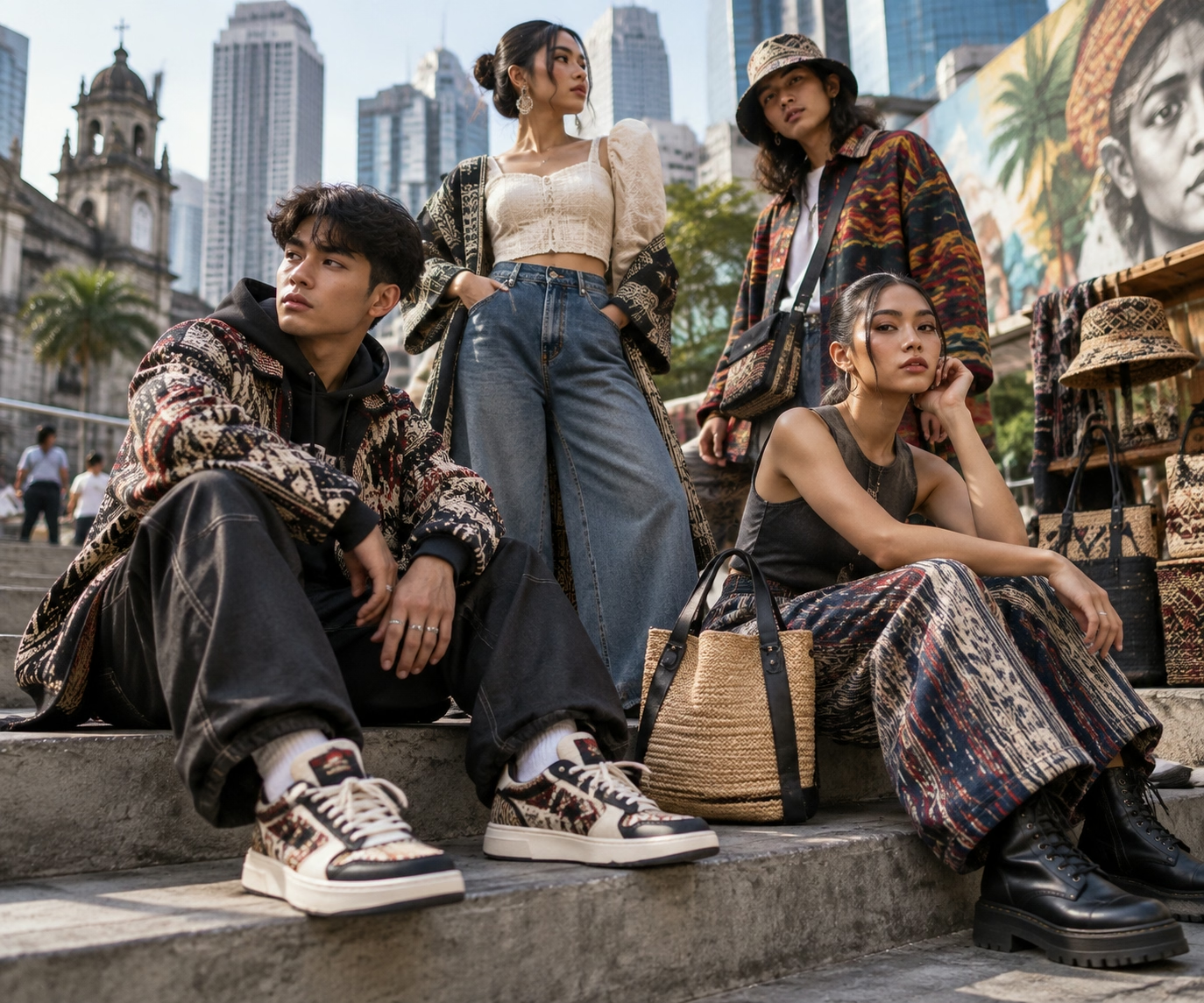
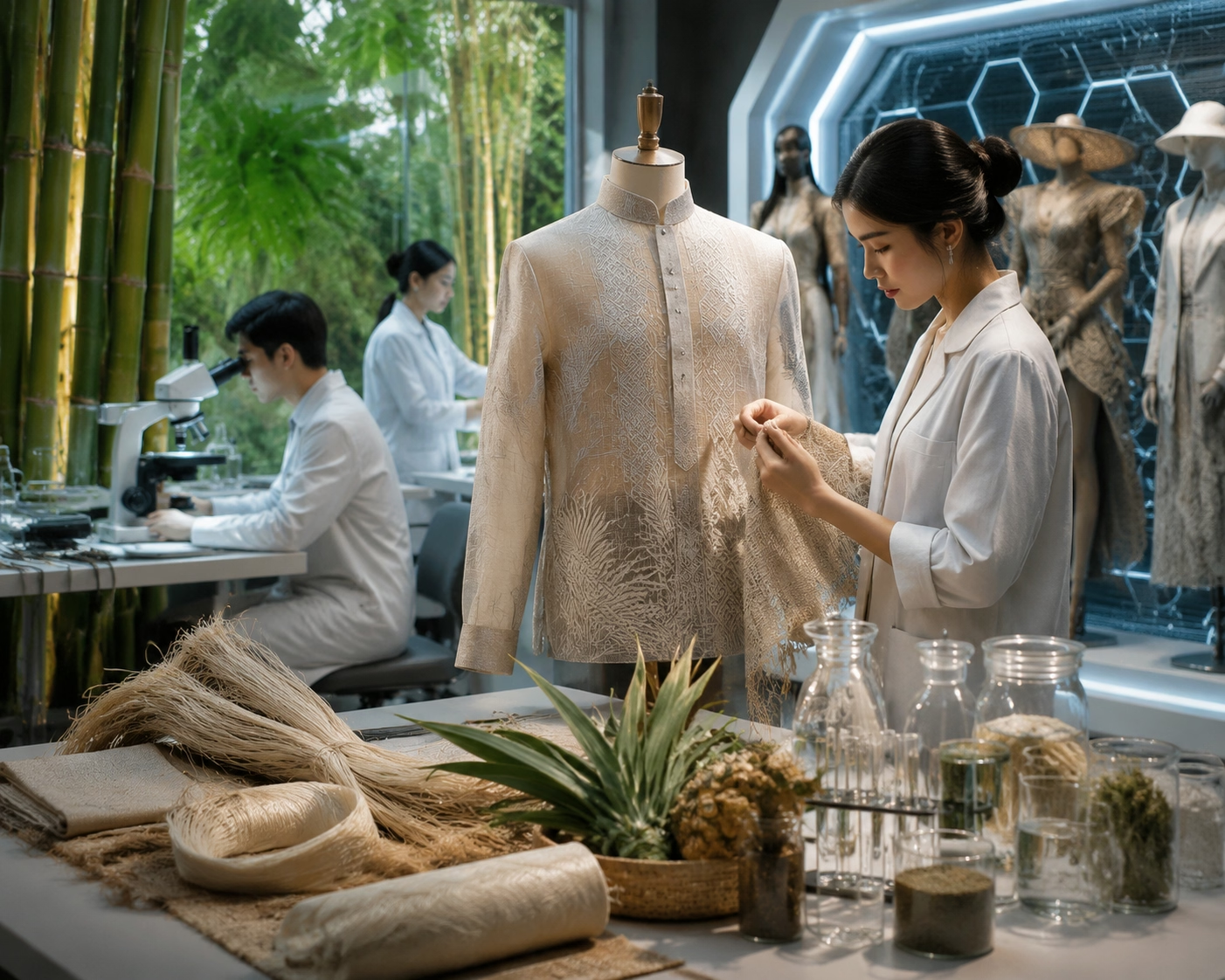
One of the defining features of Filipino Muslim fashion is the incorporation of local fabrics and traditional Filipino craftsmanship. Designers are creating contemporary versions of traditional Islamic garments, such as the abaya and kaftan, using Filipino textiles such as piña, abaca, and jusi. These fabrics, known for their fine quality, are being used in combination with innovative cuts and patterns that cater to the tastes of young, fashion-conscious Muslim women. The result is a fusion of modern modesty with Filipino artistry.
The hijab, which has long been an essential part of Muslim women’s attire, has also evolved into a more fashionable accessory. Filipino Muslim women now wear the hijab in a variety of ways, from casual styles to more formal, intricate designs. Many local fashion influencers and bloggers are now showcasing different ways to style the hijab, and this has led to a broader acceptance of the garment in mainstream fashion. Social media platforms like Instagram and YouTube have become important spaces for these influencers to share their styling tips, helping to normalize hijab-wearing in Filipino society and inspire others to adopt the trend.
In addition to local talent, international brands catering to modest fashion have recognized the potential of the Philippine market. As a result, several international brands are now offering collections that cater to the needs of Filipino Muslim women. This includes not only modest clothing lines but also accessories such as hijabs and modest swimsuits. These brands have helped elevate modest fashion in the Philippines, making it more accessible and mainstream.
Despite the progress, there are still challenges in the Muslim fashion industry in the Philippines. One major issue is the lack of diversity in mainstream fashion, which often overlooks the modest fashion segment. There is also the challenge of ensuring that designs stay true to Islamic principles of modesty while still being fashionable and modern. This balance requires creativity, innovation, and a deep understanding of both cultural and religious values.
Nonetheless, the rise of Muslim fashion in the Philippines represents a vibrant and dynamic shift in the country’s fashion landscape. As more Filipino Muslim women embrace modest fashion, there is a growing sense of pride in their cultural and religious identity. This shift is not only about fashion but also about embracing and celebrating diversity in a rapidly globalizing world.