
The use of spices in Filipino cuisine is an integral part of the flavor profile that makes Filipino dishes unique and distinctive. Filipino food is a harmonious combination of savory, sour, sweet, and spicy flavors, and spices help to bring these elements together. Whether it’s the pungent heat of garlic, the refreshing warmth of ginger, or the rich depth of turmeric, each spice plays a vital role in enhancing the taste, aroma, and overall experience of Filipino dishes.
Common Spices in Filipino Cooking
Filipino cuisine is known for its ability to balance bold flavors and subtle seasoning. The spices commonly used in Filipino cooking add aromatic complexity, enhance the taste of meats, vegetables, and soups, and provide a distinctive Filipino flavor that has been shaped by both local and foreign influences:
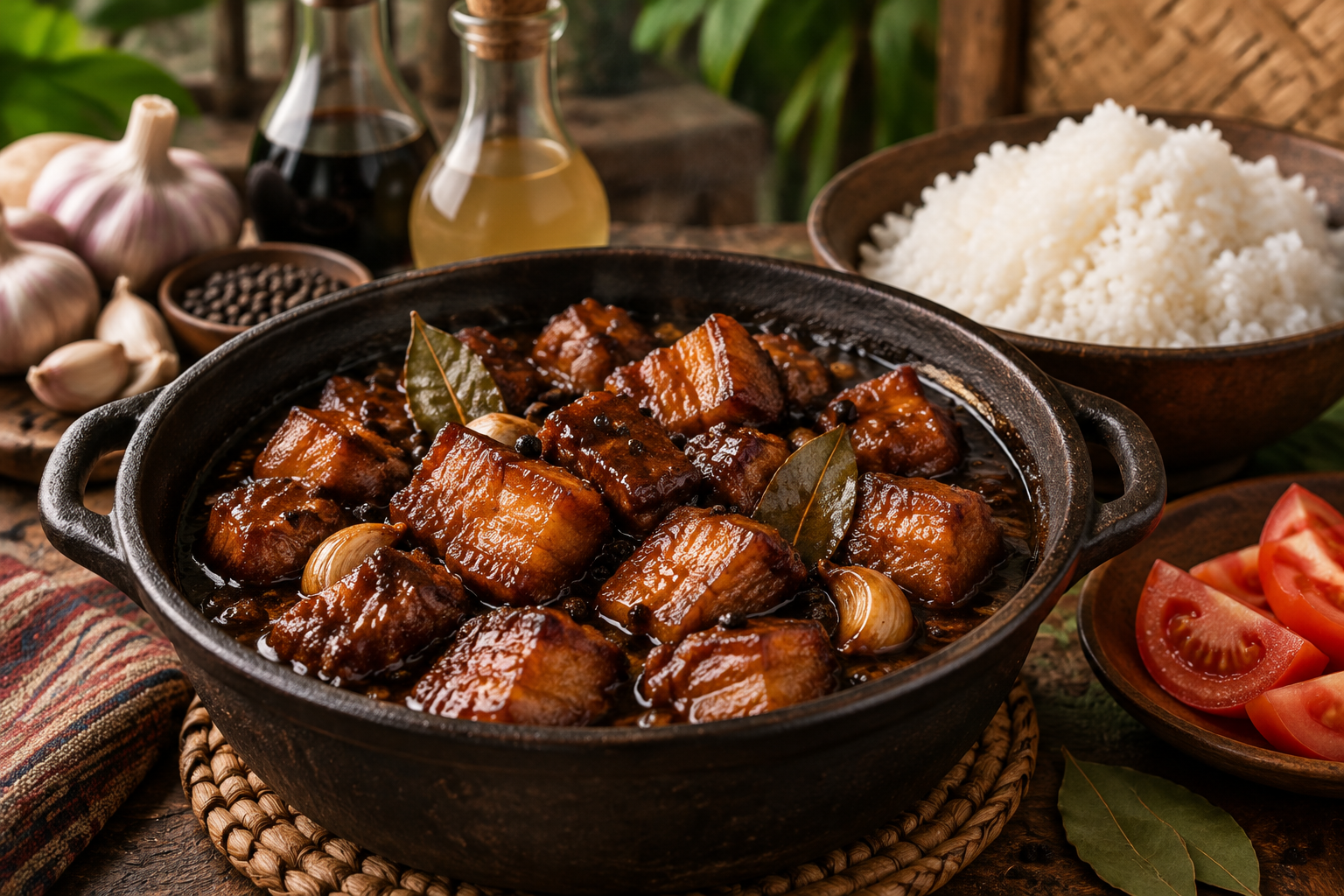
- Garlic: Often referred to as the backbone of Filipino cooking, garlic is used in almost every Filipino dish. Whether sautéed, crushed, or minced, garlic adds a sharp, savory kick to dishes such as “adobo,” “sinigang,” and “garlic fried rice” (sinangag).
- Ginger: Ginger is a key ingredient in many Filipino soups and stews. Its refreshing and aromatic flavor helps to balance the richness of the meat and the tang of the broth in dishes like “sinigang” and “tinola.”
- Bay Leaves: A signature element in Filipino braised dishes, bay leaves contribute to the deep, earthy flavors of dishes like “adobo.” They add an aromatic element that rounds out the dish’s savory character.
- Pepper: Peppercorns, particularly black pepper, are integral to Filipino cooking. From soups to stir-fries to braised dishes, pepper brings a subtle heat and enhances the umami flavors in the food.
- Turmeric: Turmeric, known for its bright yellow color and earthy bitterness, is widely used in regional Filipino dishes like “bicol express” and “laing.” It provides both flavor and visual appeal, as well as a host of health benefits.
- Chilies: Filipinos love their spicy food, and chilies are frequently used to heat up dishes. Whether used fresh, dried, or pickled, chilies add fiery intensity to dishes like “sinigang,” “bicol express,” and “adobong sili.”
Historical Influence of Spices in Filipino Cuisine
The Philippines’ diverse history, including trade with China, India, and the Spanish colonization, greatly influenced the incorporation of spices into Filipino cooking. Chinese merchants introduced spices such as ginger, star anise, and soy sauce, which blended with indigenous Filipino cooking techniques. Spanish colonization brought new herbs and spices, such as garlic and bay leaves, which were quickly adopted into Filipino kitchens.
The Health Benefits of Spices
Filipino spices are not just flavorful but are also known for their medicinal qualities. Garlic has long been used to boost immunity and fight infections. Ginger is prized for its digestive properties and ability to reduce nausea and inflammation. Bay leaves are believed to have antimicrobial properties, while turmeric is widely recognized for its anti-inflammatory and antioxidant benefits.
Spices as Cultural Identity
Filipino cuisine is a rich tapestry of influences, and the spices used in the kitchen reflect this diversity. Spices are a culinary representation of the Philippines’ global interactions, from the indigenous Malay to the Chinese traders to the Spanish colonizers. Together, these spices create a fusion of flavors that define Filipino food and continue to influence cooking traditions in the Philippines and across the world.