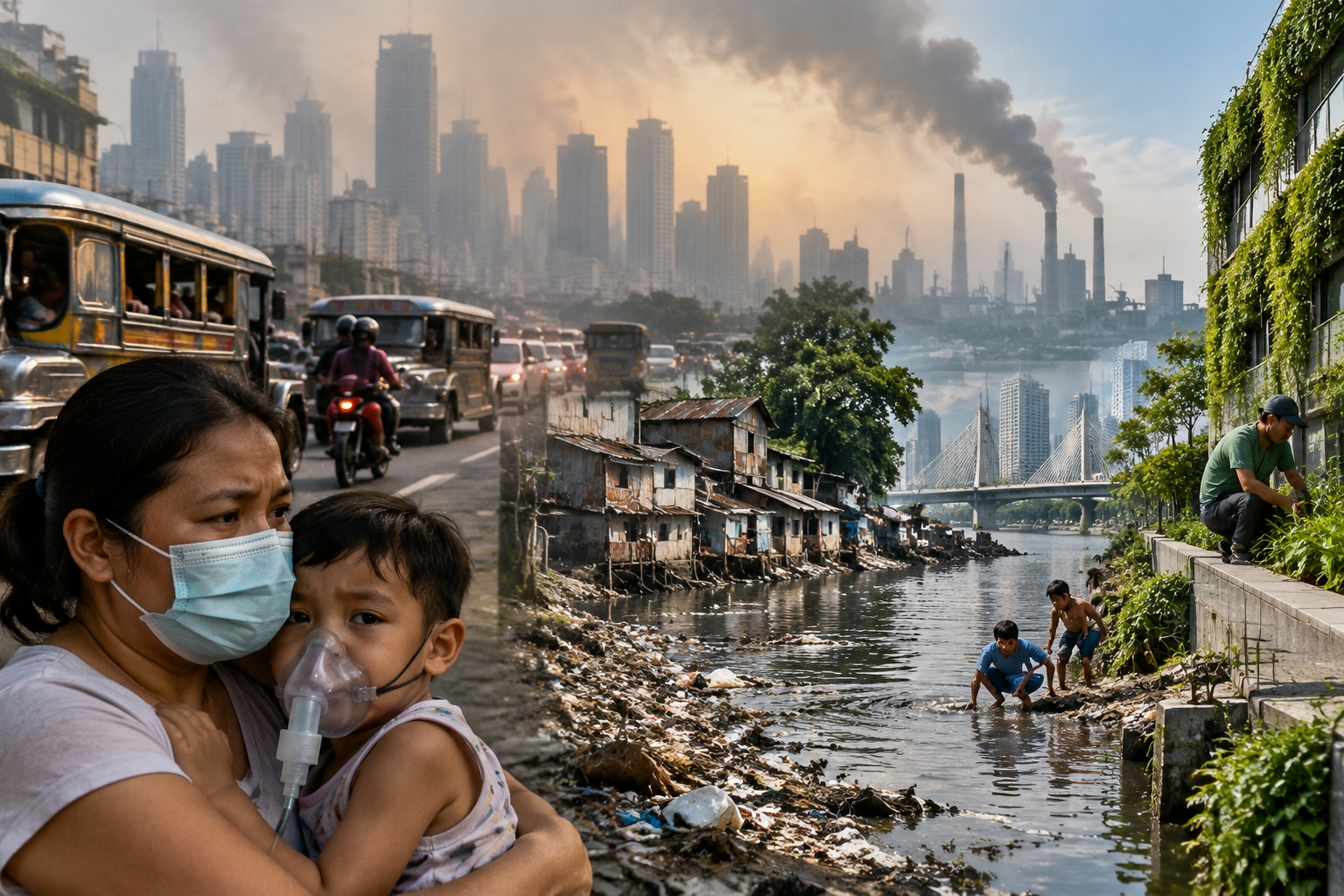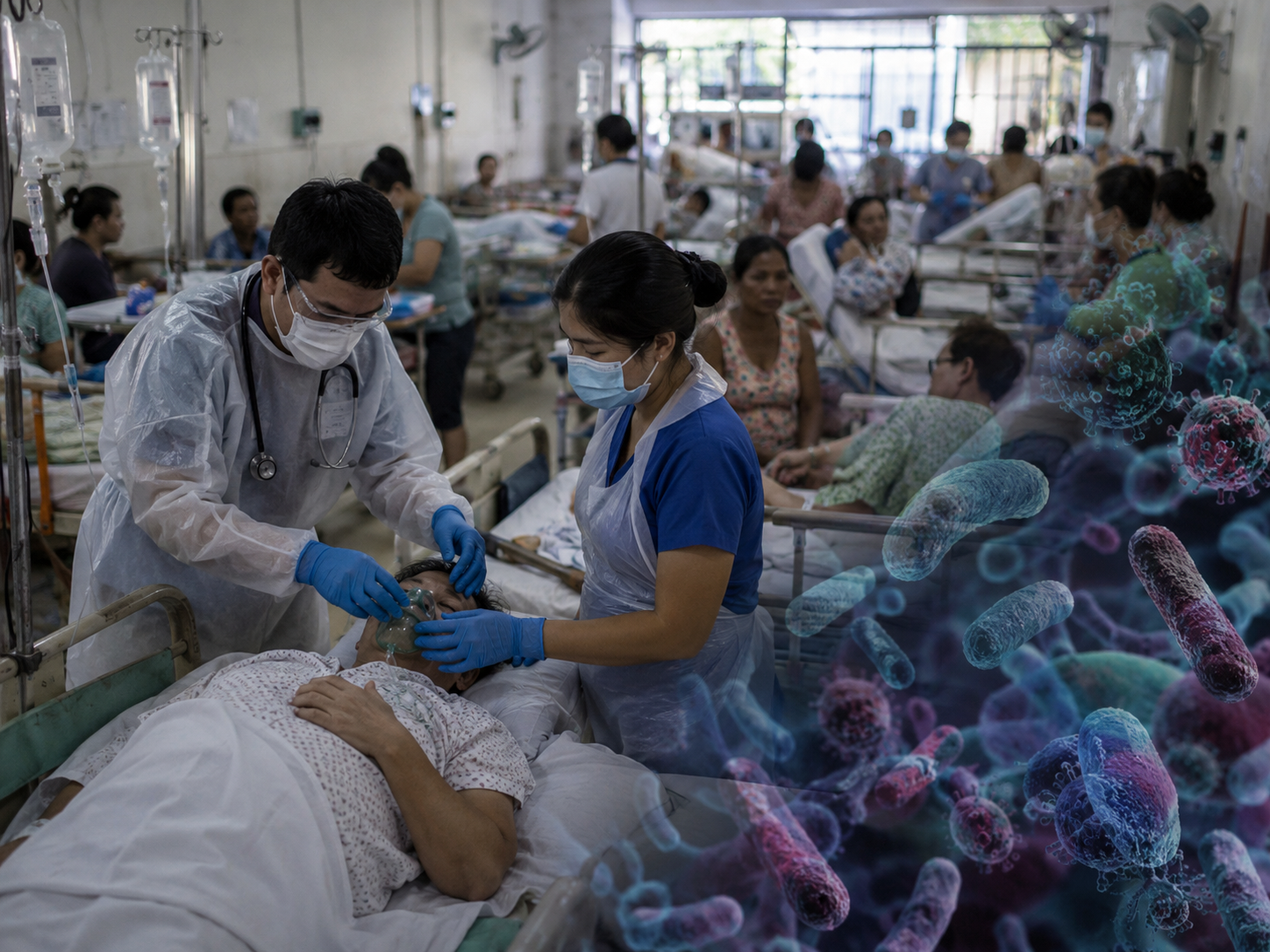

The healthcare landscape in the Philippines is marked by significant inequalities, particularly in terms of access to medical services and quality of care. With the majority of the population residing in rural areas, it is no surprise that these regions suffer from inadequate healthcare services. At the same time, urban centers like Metro Manila have access to advanced medical technologies, better-trained healthcare professionals, and well-maintained hospitals, creating a stark contrast in healthcare outcomes.
Access to healthcare in the Philippines is primarily determined by geography and socio-economic status. Those living in metropolitan areas have relatively easy access to both public and private healthcare options. However, people living in rural and remote areas often find themselves without immediate access to medical services. While there are government-run health facilities designed to serve these underserved populations, they are often underfunded, understaffed, and lack essential medical resources.
One of the primary challenges faced by rural areas is the shortage of healthcare workers. Many doctors and specialists prefer to practice in urban areas where they can earn higher wages and work in better-equipped environments. As a result, rural healthcare facilities are often left with general practitioners who may not have the expertise to handle specialized medical needs. This creates a situation where patients in rural areas either go untreated or must travel long distances to reach more advanced care options.
The economic divide also plays a role in healthcare inequality. While public healthcare is supposed to cater to low-income individuals, the reality is that government-run facilities are often overwhelmed, and the care provided is far from ideal. Private healthcare, on the other hand, is often out of reach for the majority of Filipinos due to its prohibitive costs. This leads to a situation where only the wealthiest individuals can afford the best care, while others are left to struggle with limited and sometimes subpar medical services.
The Philippine government has made strides to address these disparities through policies like the Universal Health Care (UHC) Law. This landmark legislation aims to provide all Filipinos with equitable access to quality health services, regardless of their location or income. The UHC law envisions a comprehensive health insurance system, a better distribution of health services, and improved infrastructure in underserved areas. However, the implementation of this law remains a challenge, with issues such as funding shortages, inadequate health facilities, and a lack of skilled healthcare workers hindering progress.
Additionally, the cultural aspects of healthcare cannot be ignored. In many rural areas, traditional healers and alternative medicine are still the primary sources of care. While these practices may offer comfort or familiarity, they can delay timely medical intervention, especially for serious health conditions such as infections or chronic illnesses. This cultural barrier further complicates efforts to provide equitable healthcare across the country.
Despite these challenges, the Philippines is making progress in addressing healthcare inequality. The government continues to invest in the healthcare sector, and there is a growing awareness of the importance of universal health coverage. However, overcoming the disparities in access, infrastructure, and resources will require sustained effort and commitment from all sectors of society.