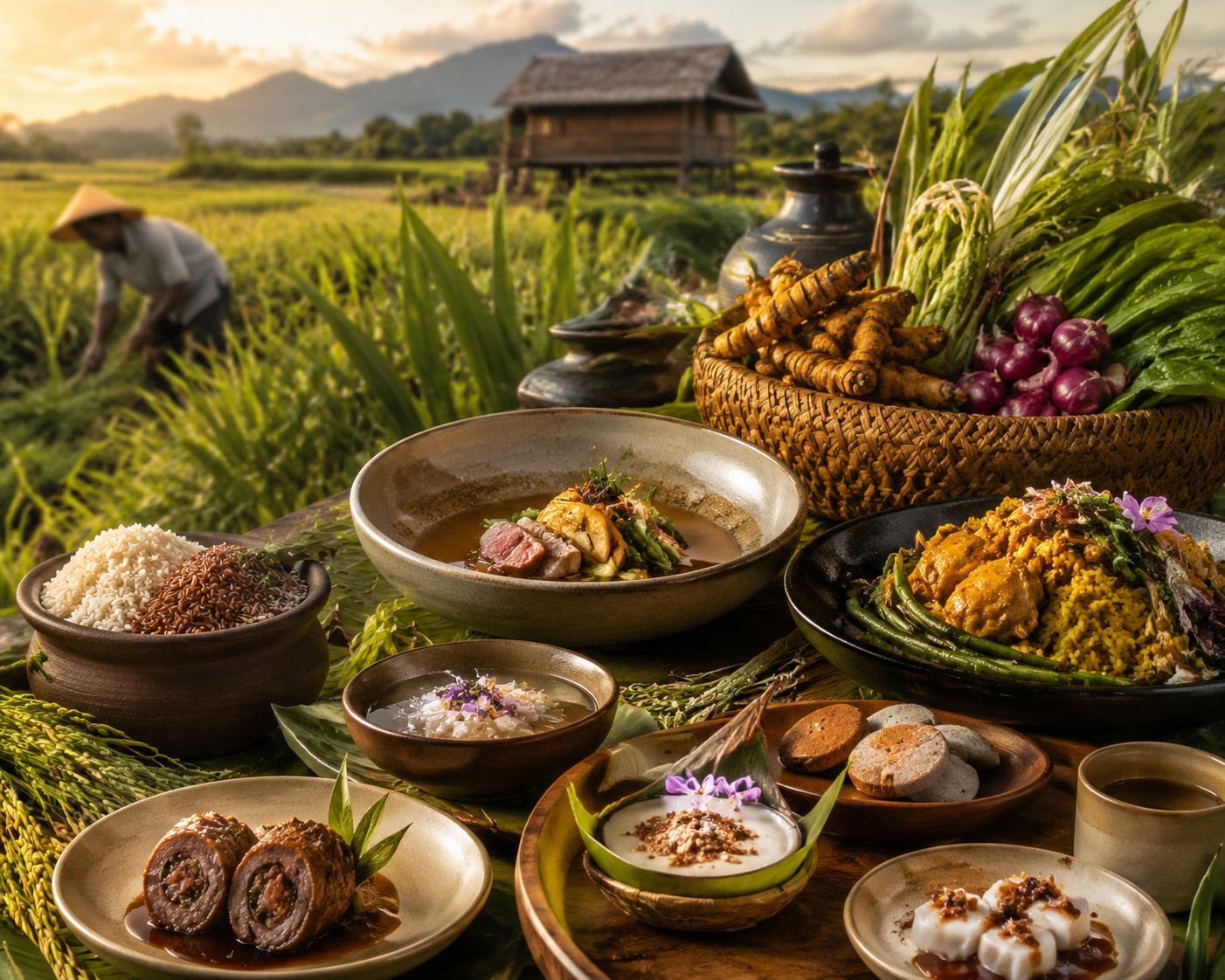

The Philippines, with its archipelagic structure, is home to a culinary scene as diverse as its islands. Each region offers distinct flavors, ingredients, and cooking methods that have evolved over centuries, influenced by a variety of cultures, including Spanish, Chinese, and Malay. Filipino cuisine reflects this melting pot of influences, showcasing unique dishes that differ from one region to another while maintaining a sense of unity in the use of rice, seafood, and meat.
Luzon, the largest island, is where you’ll find the iconic Adobo, a dish that holds a special place in the hearts of Filipinos. Whether it’s made with chicken or pork, the combination of soy sauce, vinegar, garlic, and bay leaves creates a flavorful profile that has made Adobo beloved by locals and visitors alike. It’s often served with steamed rice, and variations of the dish can be found across the country, each with slight differences depending on the region.
The Ilocos region, located in the northern part of Luzon, is renowned for its savory and hearty dishes. Empanada, a pastry filled with pork, vegetables, and eggs, is a favorite snack, often enjoyed on the go. It’s crisp, flavorful, and the perfect bite to enjoy with a refreshing vinegar dip. In addition to Empanada, Longganisa, a Filipino sausage, is also a staple in the area, with each variety offering a unique twist, from garlicky to sweet flavors.
The Visayas, especially Cebu, is home to Lechon, arguably the most famous Filipino dish. Cebu’s version of Lechon stands out because of its preparation method, in which a whole pig is slowly roasted over charcoal, resulting in incredibly tender meat and crispy skin. It is often served during major celebrations, such as weddings and fiestas, and has become so popular that it’s considered a must-try for anyone visiting the region.
In Mindanao, the southern part of the Philippines, the diversity of dishes is incredible. One popular dish is Satti, which is particularly famous in Zamboanga. This dish consists of skewered and grilled meat served with a spicy, flavorful rice cake and a tangy dipping sauce. It’s a favorite street food that combines bold flavors with a rich history influenced by the region’s Muslim and indigenous cultures.
Aside from the savory dishes, the Philippines is known for its variety of sweet treats. Leche Flan, a smooth caramel custard dessert, is a must-try, especially during family gatherings or celebrations. On the other hand, Halo-Halo is a quintessential Filipino dessert made with crushed ice, sweetened fruits, jellies, and beans, making it a perfect way to beat the heat.
Filipino cuisine is a journey through diverse and exciting flavors, offering a wide range of dishes that showcase the country’s unique cultural heritage. From the savory stews of Luzon to the festive Lechon of Cebu and the spicy treats of Mindanao, Filipino food is a celebration of both history and innovation.