
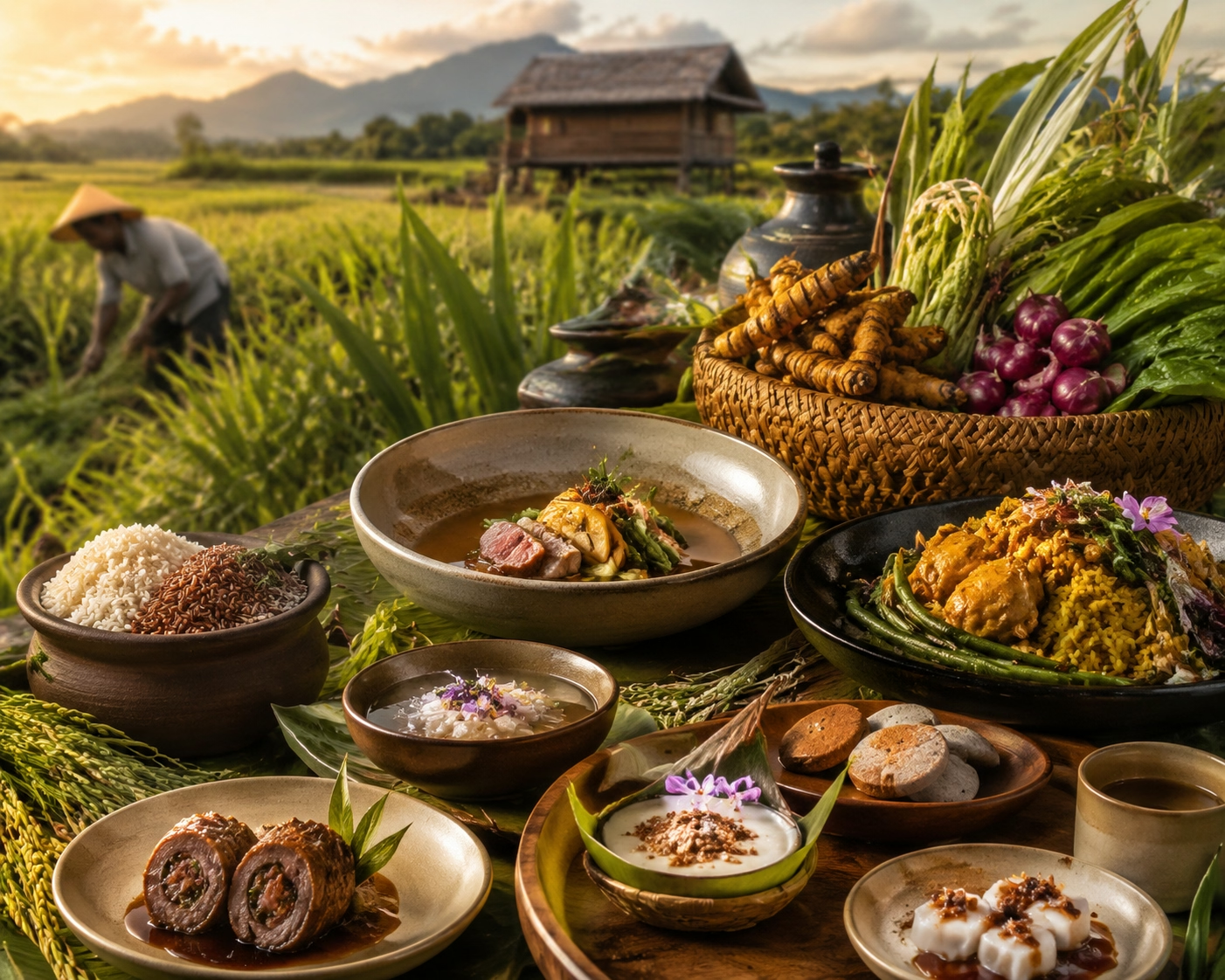
The Bicol region, located at the southeastern tip of Luzon, offers a stark contrast to the sweet and sour profiles found in the rest of the archipelago. Here, the cuisine is defined by fire—both from the ubiquitous siling labuyo (bird’s eye chili) and the majestic Mayon Volcano that dominates the landscape. In 2026, Bicol’s tourism strategy has leaned heavily into this identity, marketing itself as the destination for thrill-seekers and spice enthusiasts looking for a sensory overload.
The Mastery of Gata (Coconut Milk)
What sets Bicolano food apart from other spicy cuisines is the masterful use of gata (coconut milk or cream). The richness of the coconut tempers the heat of the chili, creating a complex, creamy texture that coats the palate. In 2026, culinary tours are going deeper into the production side of this essential ingredient. Tourists can visit coconut farms in Camarines Sur to witness the traditional process of extracting milk, known as pagkudkod, before heading to the kitchen to learn how to balance the spice levels.
The flagship dishes, Bicol Express and Laing, remain staples, but modern chefs are pushing boundaries. In Naga City, a wave of “neo-Bicolano” restaurants is emerging. They are serving dishes like Sinantolan (grated santol fruit in coconut milk) as a vegan pate, and creating desserts that infuse chili into dark chocolate and coconut sugar, proving that heat can play a role in every course.
Volcanic Agriculture and Dining with a View
The eruption patterns and rich volcanic soil of Mayon have created an incredibly fertile agricultural zone. This unique geology is now a central theme in Bicol’s high-end dining scene. The Abaca (Manila hemp) plantations and pili nut farms are being integrated into agri-tourism circuits.
In 2026, several pop-up dining events have been established on the slopes of Mayon (in safe zones). These “Volcanic Dinners” feature ingredients exclusively grown in the volcanic ash, which are rich in minerals. The most sought-after item is the Pili nut, native only to Bicol. Chefs are utilizing Pili oil as a premium salad dressing and Pili pulp as a meat substitute, creating a distinctly Bicolano luxury product that is starting to gain international export traction. For current safety advisories and tourist guidelines regarding the volcano, it is advisable to check updates from the Philippine Institute of Volcanology and Seismology (PHIVOLCS).
The Rise of Artisanal Chili Sauces
The cottage industry of hot sauce making in Bicol has exploded in 2026. No longer just a souvenir, these artisanal sauces are being featured on international grocery shelves. Food tourists can now participate in “Chili Blending Workshops” in Legazpi City, where they can roast, ferment, and bottle their own customized heat level, using different varieties of local chilies that range from fruity to aggressively spicy.