As tourism in the Philippines continues to grow in 2026, the country’s urban nightlife has become a major draw for visitors. Each major city has developed its own after-dark identity, shaped by local culture, geography, and entertainment trends. The official Philippines travel portal (https://www.philippines.travel/) lists current events and venues, helping travelers plan nights out with confidence. Whether you want high-energy clubs, live bands, or beachfront relaxation, the Philippines’ big cities deliver.
Manila: Three Different Nights in One City
The capital’s nightlife is best understood by its neighborhoods. Poblacion is the creative, bohemian district with cocktail bars and indie music venues. BGC is the modern, upscale option with rooftop lounges and themed club nights. Malate and Intramuros offer a more cultural evening with live bands and nighttime heritage tours. This structure allows visitors to choose their preferred style without traveling far. It also means that Manila can feel like a different city every night, depending on which district you explore.
Cebu: Party Energy Meets Coastal Calm
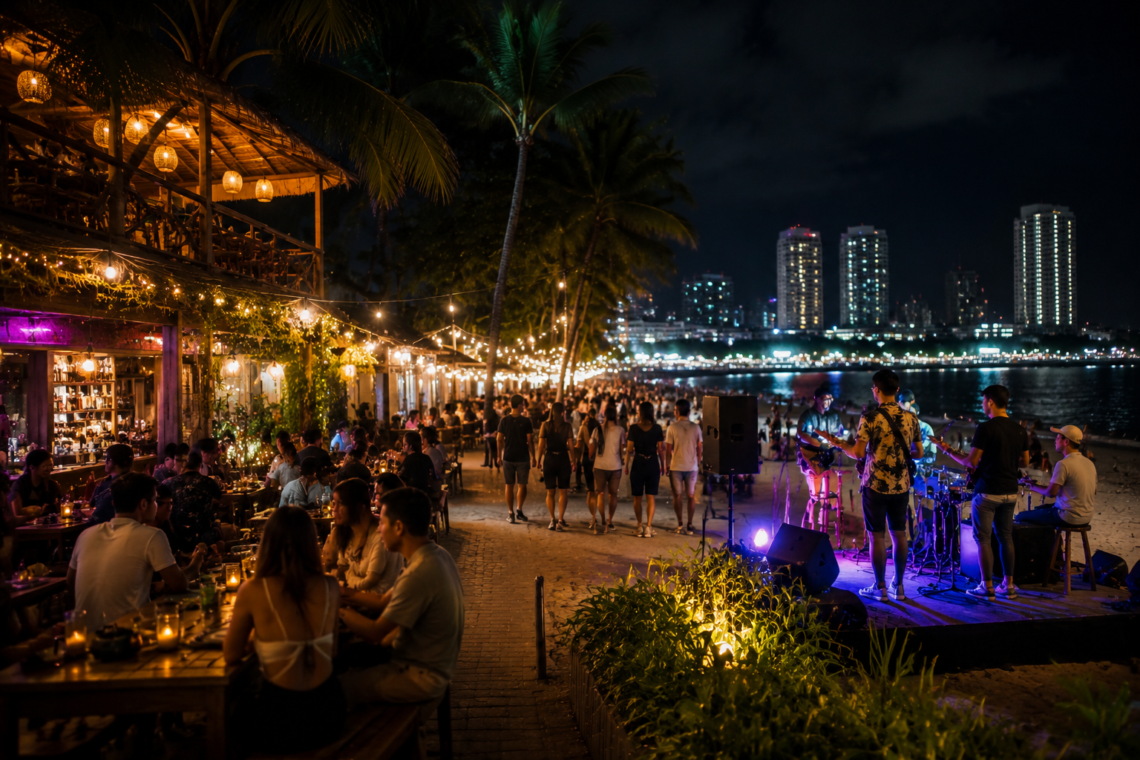
Cebu City’s nightlife balances two extremes. Mango Square is the high-energy center with clubs, karaoke, and affordable drinks. IT Park provides a more relaxed, professional atmosphere with craft beer bars and open-air plazas. The city’s waterfront areas add a coastal dimension, with live bands and night markets serving fresh seafood under the stars. Cebu’s mix makes it a favorite for both young travelers and business visitors. The proximity of these districts also allows for easy bar hopping using local transport.
Regional Cities Worth a Night Out
Beyond Manila and Cebu, Davao, Angeles City, and Boracay each offer distinct experiences. Davao’s scene is regulated but lively, with local breweries and music lounges. Angeles City has a walkable entertainment strip near Clark International Airport, ideal for late-night stopovers. Boracay’s beachfront nightlife is famous for fire dancers and DJ sets, though environmental rules keep it sustainable. These destinations show that Philippine nightlife extends far beyond the capital.
The Social Fabric of Philippine Nights
Nightlife in the Philippines is deeply social. Live band bars are ubiquitous, with musicians covering both local and international songs. Cocktail bars are incorporating native ingredients like calamansi and coconut wine into their menus. Night markets and street food stalls keep the energy going with affordable eats. For many Filipinos, going out is less about dancing and more about bonding over food and music, a cultural detail that visitors quickly appreciate.