Pork occupies a special place in Filipino cuisine, known for its versatility and rich flavor. This meat plays a vital role in traditional Filipino dishes and is used in a variety of ways, from braising and stewing to grilling and deep-frying. The use of pork in Filipino cooking reflects the country’s diverse culinary influences, as well as the resourcefulness of its people in utilizing every part of the animal.
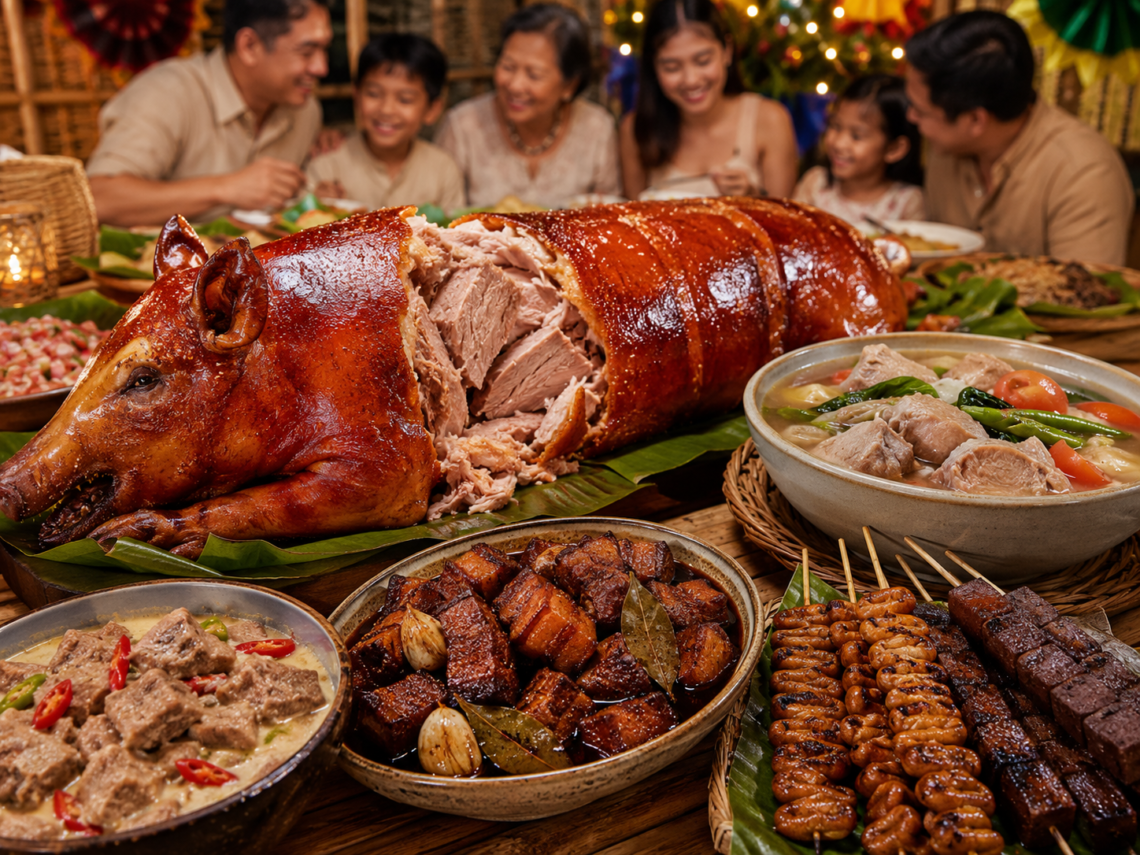
One of the most beloved Filipino dishes is lechon kawali, a crispy deep-fried pork belly. The pork is first boiled to tenderize it before being fried to a crisp golden brown, creating a combination of tender meat and crunchy skin. This dish is typically served with a dipping sauce made of vinegar and soy sauce, and is a favorite at family gatherings and festive occasions.
Another signature Filipino pork dish is adobo, which is cooked by marinating the meat in soy sauce, vinegar, garlic, and spices before being simmered to tender perfection. The result is a savory and tangy sauce that clings to the pork, making it a comforting and flavorful meal. Adobo is often considered the unofficial national dish of the Philippines, with each family having their own twist on the recipe, such as adding coconut milk or potatoes for a richer flavor.
Pork also plays a starring role in sinigang na baboy, a sour soup made with tamarind and various vegetables such as okra, eggplant, and water spinach. The pork, often in the form of ribs or belly, is simmered until tender, absorbing the bold flavors of the sour broth. The dish is a staple in Filipino households, known for its ability to balance the richness of the pork with the refreshing acidity of the soup.
In addition to these familiar dishes, pork is also featured in many regional specialties. For example, bicol express is a spicy, creamy dish made with pork, shrimp paste, and coconut milk. Originating from the Bicol region, this dish is a celebration of the area’s love for chili peppers and coconut, making it both hot and rich in flavor.
The love for pork extends beyond main dishes. Filipino street food culture thrives with a variety of pork-based snacks, such as isaw (grilled intestines) and betamax (grilled coagulated blood). These street foods offer a unique, savory taste that many Filipinos love, highlighting the country’s ability to transform lesser cuts of meat into tasty and satisfying snacks.
The importance of pork in Filipino cooking cannot be overstated. Whether it’s a celebratory dish like lechon or a simple, everyday meal like sinigang na baboy, pork is a central ingredient that defines much of the country’s culinary identity. The adaptability of pork—whether in slow-cooked stews, roasted meats, or grilled snacks—ensures that it remains a favorite in Filipino kitchens, passed down through generations and continually evolving to fit modern tastes.