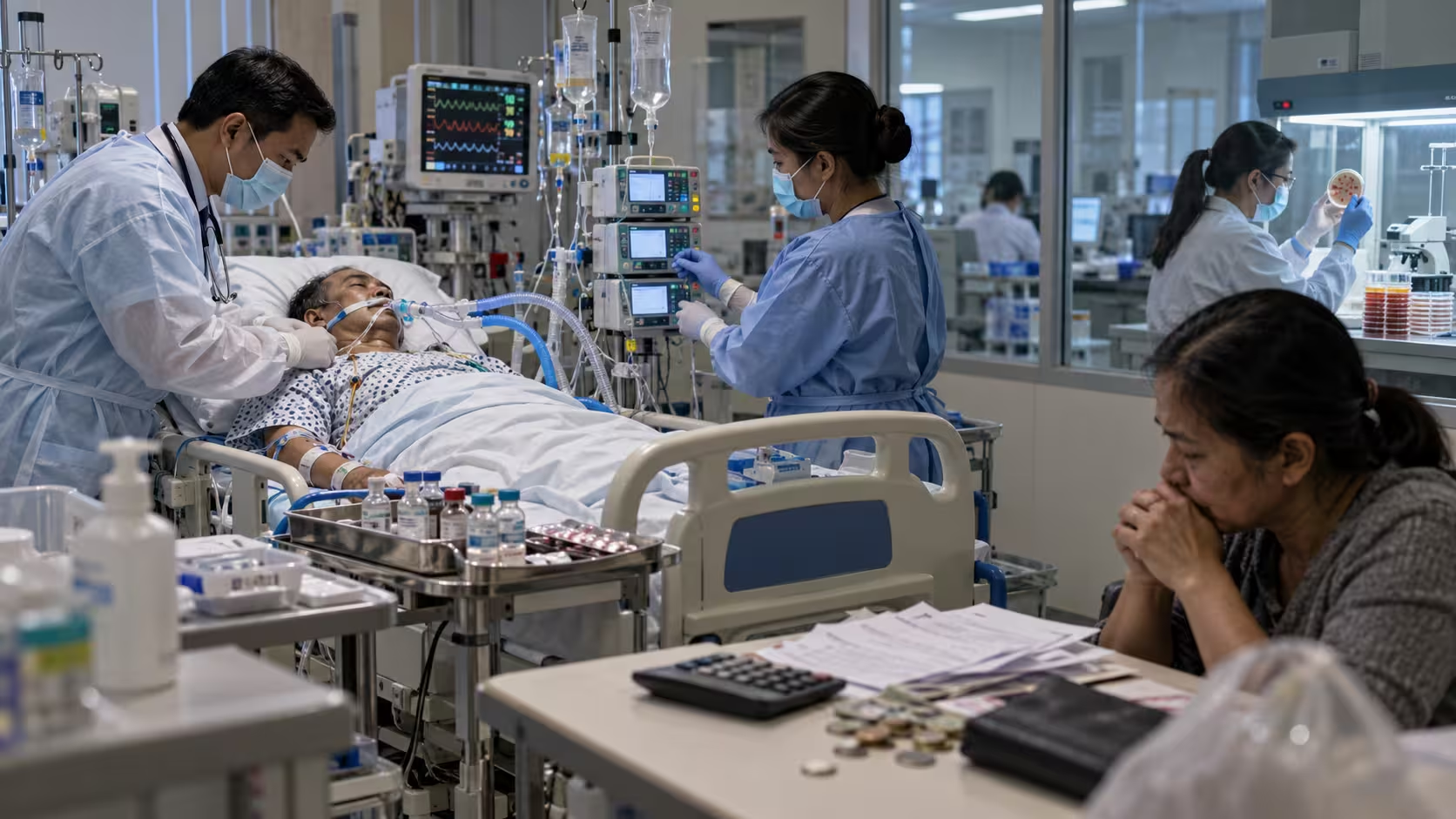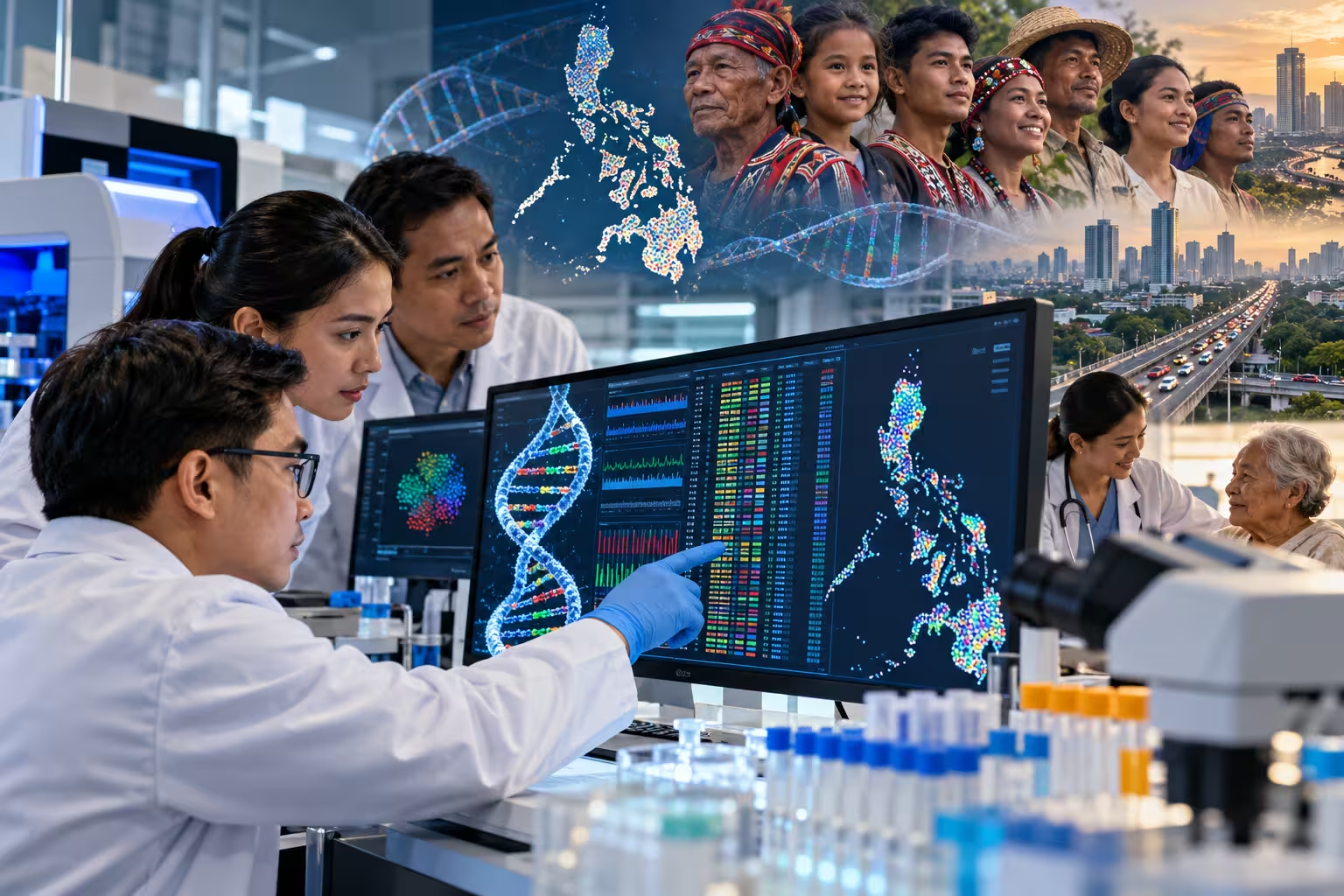
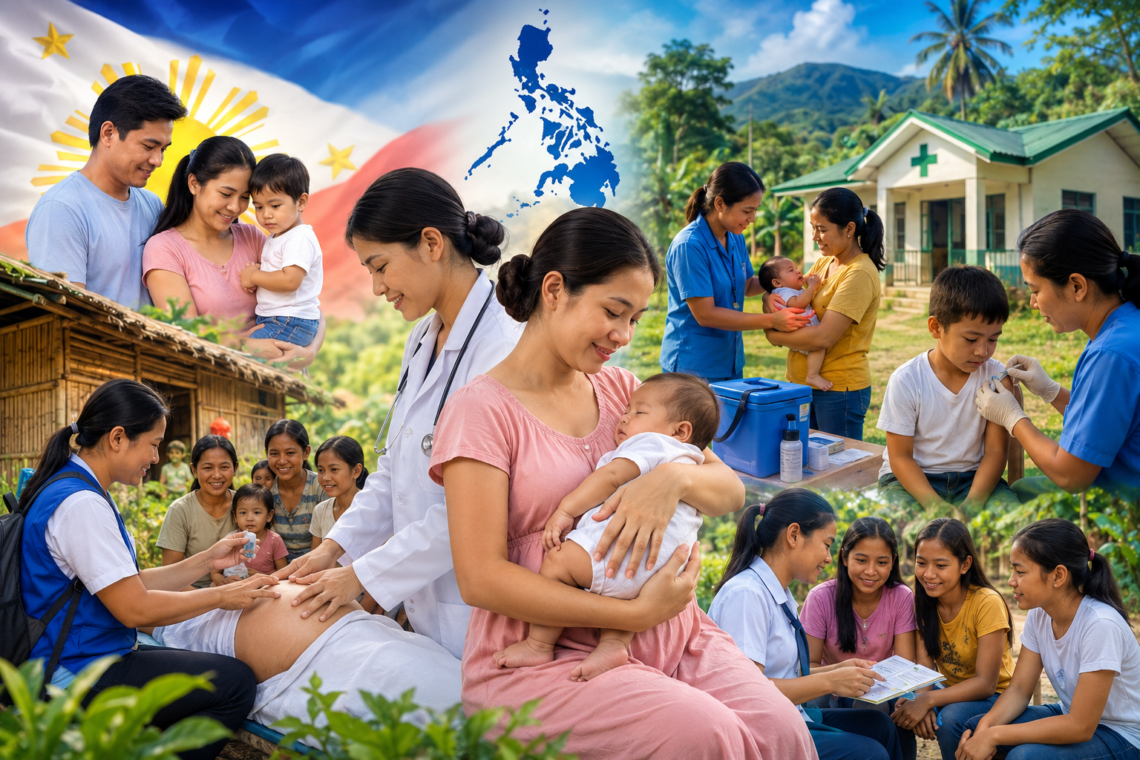
In the Philippines, the health of mothers and children is of paramount importance, and various healthcare initiatives are in place to address the challenges associated with maternal and child mortality. Despite significant improvements over the years, the country still faces several challenges, particularly in rural and underserved areas. The government’s commitment to improving maternal and child health is evident through several national programs, supported by both public and private sectors, which focus on enhancing healthcare access and quality for Filipino families.
A cornerstone of these efforts is the National Safe Motherhood Program, which ensures that pregnant women receive essential healthcare services before, during, and after childbirth. This program includes prenatal consultations, the provision of skilled birth attendants, and post-delivery care. The goal is to reduce maternal mortality by preventing complications and ensuring that every mother receives the care she needs.
The Child Health Program, led by the Department of Health (DOH), focuses on reducing childhood mortality and morbidity by promoting regular vaccinations, nutrition, and early childhood care. One key component of the program is the Expanded Program on Immunization (EPI), which ensures that children are vaccinated against common preventable diseases such as measles, polio, and tuberculosis. Through this program, the government aims to protect children from life-threatening diseases and improve overall child health.
The Philippine Plan of Action for Nutrition (PPAN) is another crucial initiative that directly impacts maternal and child health. This plan emphasizes the importance of nutrition during pregnancy and early childhood, aiming to combat malnutrition and stunting among children. It involves providing nutrition education, food supplementation programs, and regular monitoring of children’s growth to ensure they are receiving adequate nutrition for proper development.
Private sector involvement also plays a significant role in supporting maternal and child health in the Philippines. Many private hospitals and healthcare providers offer subsidized services for low-income families, ensuring that even those without health insurance can receive proper care. Additionally, public-private partnerships are forming to improve healthcare facilities, especially in rural areas where healthcare infrastructure is often lacking.
Despite these efforts, challenges persist, including socioeconomic barriers, a shortage of healthcare workers, and limited access to quality healthcare in remote areas. Addressing these issues requires a multifaceted approach that includes strengthening healthcare infrastructure, improving health literacy, and ensuring that healthcare services are affordable and accessible to all.