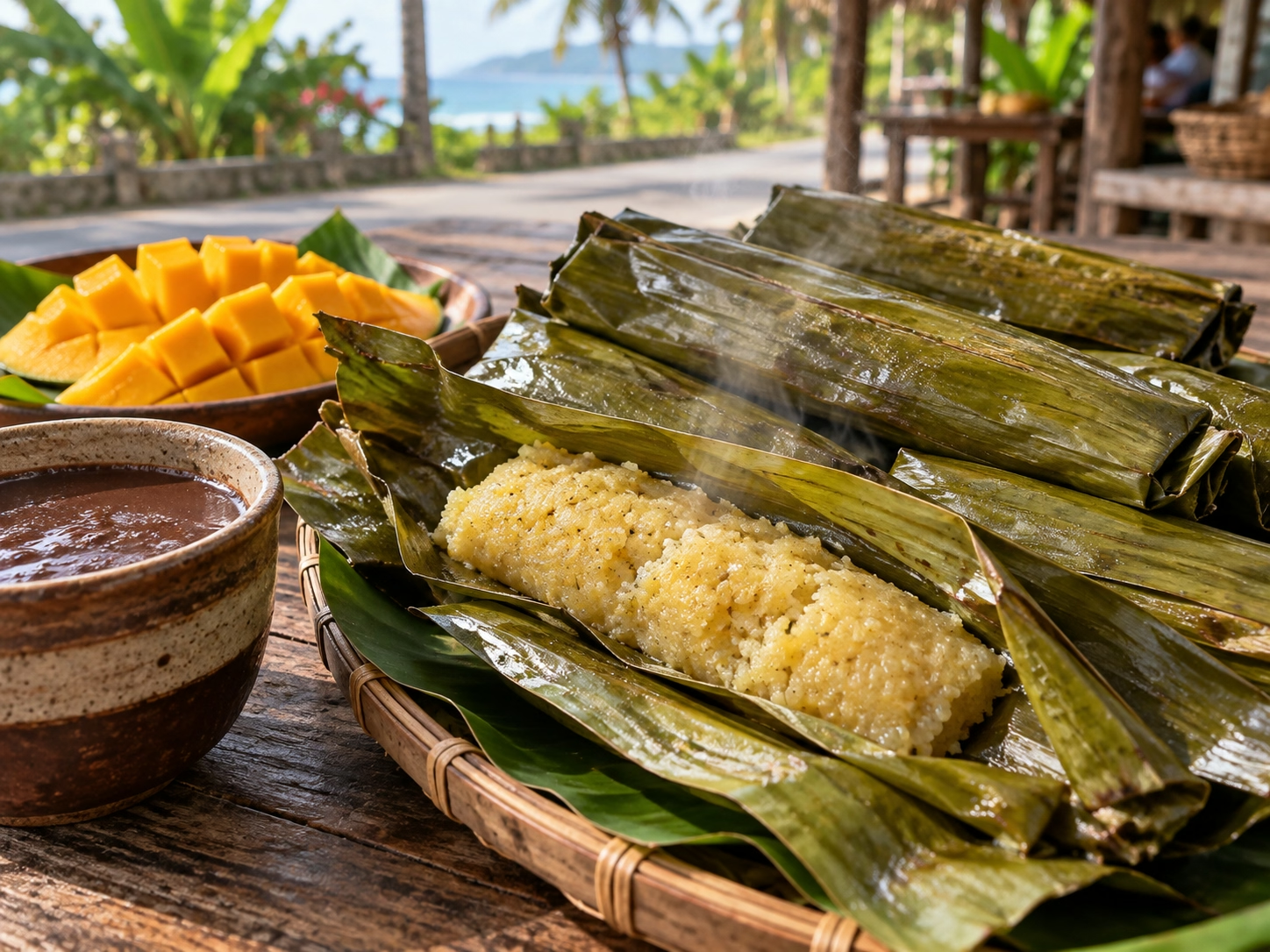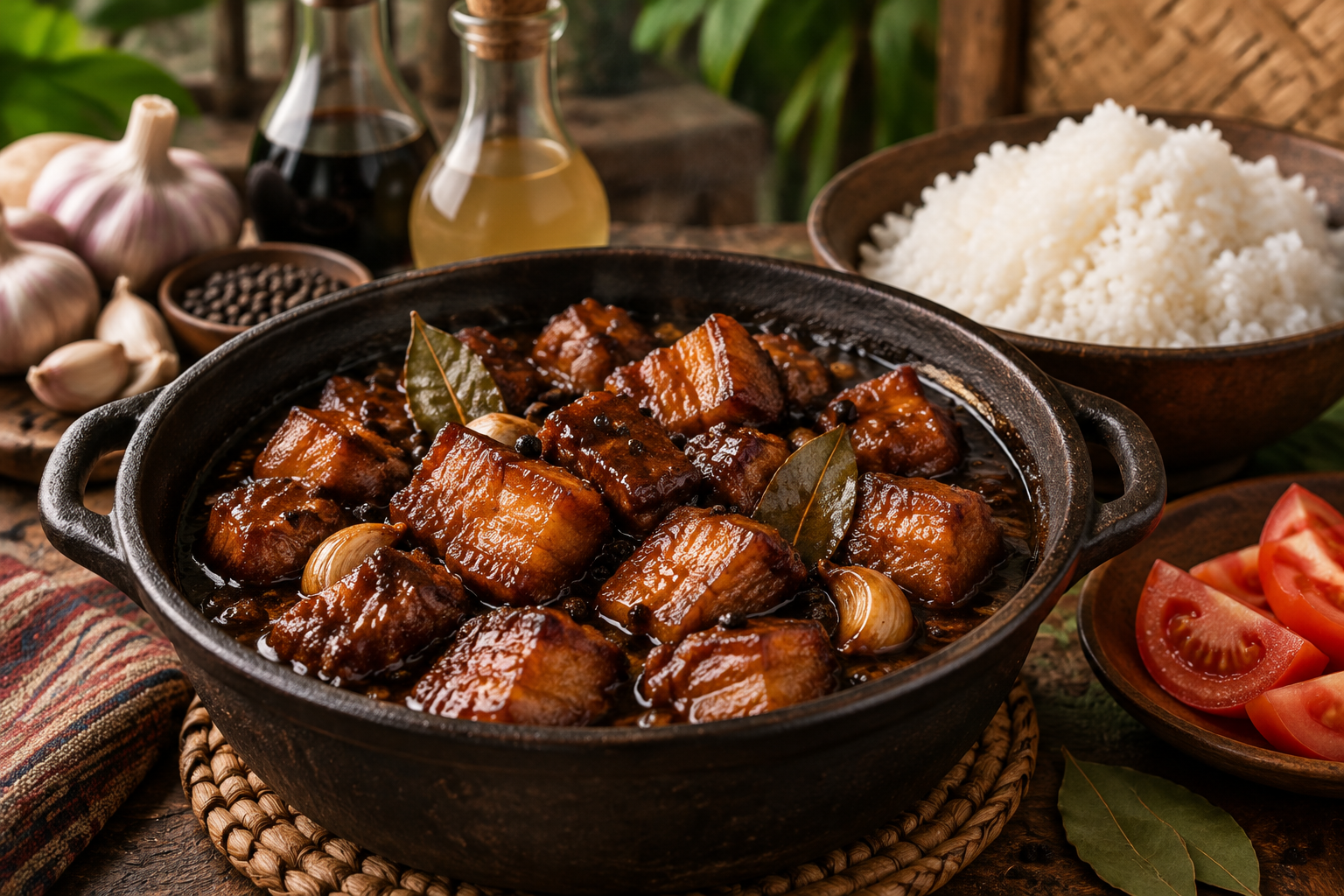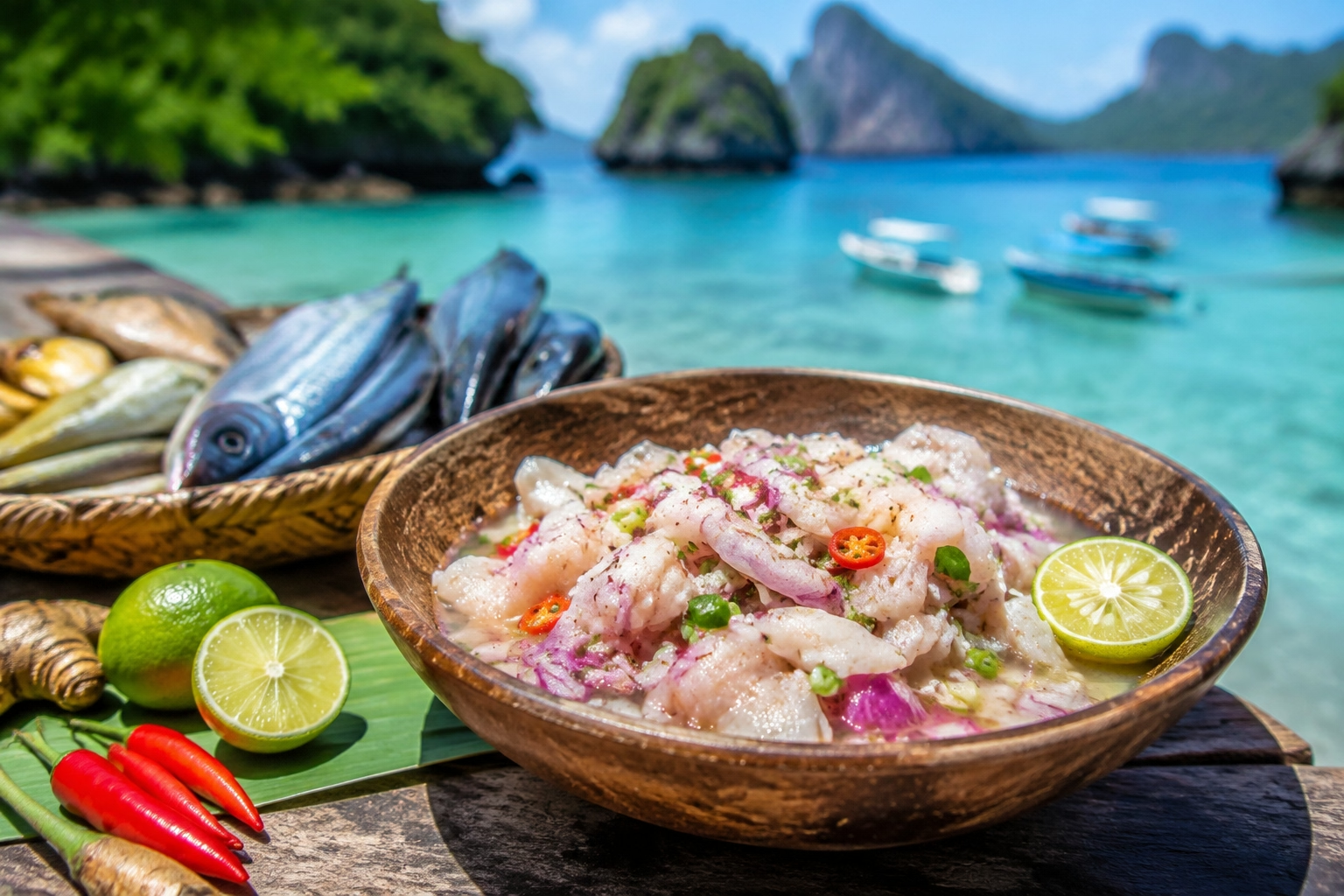
Coffee in the Philippines is much more than a beverage—it is a cornerstone of Filipino culture. For centuries, coffee has been an integral part of Filipino daily life, from the quiet moments of reflection in the morning to the lively conversations shared over a cup of coffee with friends. While it may not be as globally recognized as the coffee industries in countries like Brazil or Colombia, Filipino coffee is gaining significant attention for its unique taste, cultural importance, and the revival of traditional farming practices.
The Early Beginnings of Coffee in the Philippines
Coffee was introduced to the Philippines by the Spanish in the 1700s, and it quickly became an essential crop. The country’s favorable climate and varied terrain allowed for the cultivation of different coffee varieties, particularly in the mountainous regions. By the 19th century, the Philippines had become a major player in the global coffee market, with coffee being grown in regions like Batangas, Cavite, and Ilocos.
However, the coffee industry in the Philippines faced significant challenges during the 20th century. Coffee rust and other diseases devastated crops, and competition from other coffee-growing countries reduced the Philippines’ role as a major exporter. Despite these difficulties, the local coffee industry has seen a resurgence, with new generations of farmers working to restore the country’s reputation for producing high-quality beans.
Key Varieties of Filipino Coffee
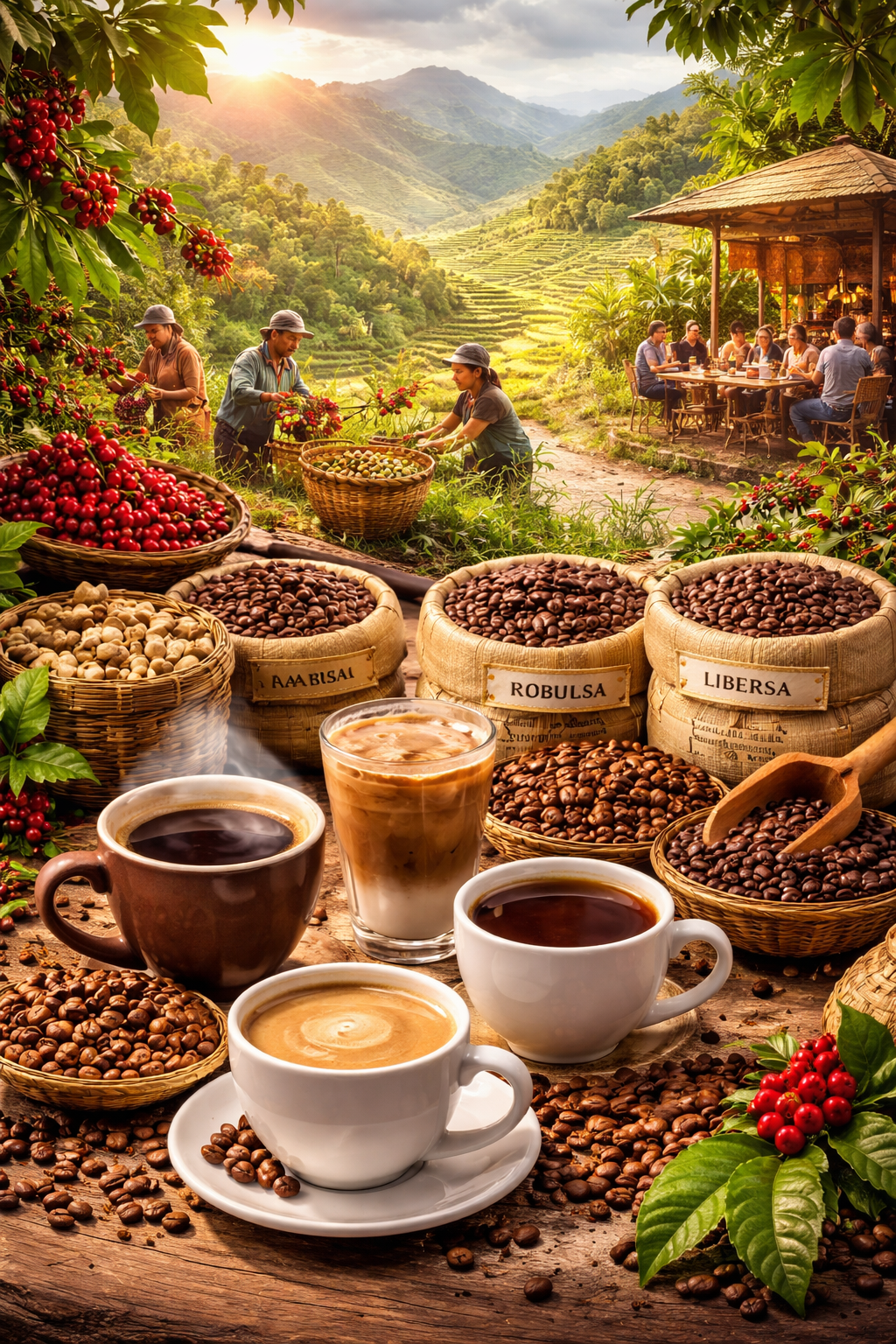
Filipino coffee offers a wide range of flavors, thanks to the diverse varieties grown across the country. The four primary types of coffee produced in the Philippines are Arabica, Robusta, Liberica, and Excelsa, each of which contributes a distinct taste to the local coffee culture.
- Arabica: Arabica coffee is grown in the cooler, higher-altitude regions of the Philippines, such as the provinces of Benguet and Batangas. Known for its light, sweet flavor profile, Arabica coffee is often enjoyed by those who appreciate a smoother cup of coffee with floral notes and mild acidity.
- Robusta: Robusta is a stronger, more bitter variety of coffee with a higher caffeine content. It is commonly grown at lower altitudes and is often used in instant coffee blends. Robusta coffee is particularly popular in the Philippines for its bold flavor and its association with the traditional kape (coffee) enjoyed in many Filipino households.
- Liberica: Liberica, also known as Barako, is one of the most iconic Filipino coffee varieties. With its strong, smoky flavor and rich, full-bodied profile, Barako coffee has become a beloved symbol of Filipino coffee culture. Grown primarily in Batangas and Cavite, Liberica beans are often used to make strong, intense brews.
- Excelsa: A rarer coffee variety, Excelsa is a hybrid between Liberica and Arabica. It is known for its unique flavor profile, which combines fruity, tangy notes with a rich, bold base. Excelsa coffee is typically grown in smaller quantities in regions like Nueva Vizcaya and is highly valued by coffee enthusiasts.
Coffee’s Role in Filipino Society
Coffee has a deep cultural significance in the Philippines. The act of drinking coffee is often associated with social interaction, family gatherings, and relaxation. It is a common practice to invite friends or family over for a cup of coffee, accompanied by Filipino pastries or snacks.
In many Filipino households, coffee is enjoyed at different times of the day, whether it’s paired with breakfast or served as an afternoon treat. Kape barako is especially popular during festive occasions, where it serves as a symbol of hospitality and community.
Sustainability and the Future of Filipino Coffee
The sustainability of the Filipino coffee industry is becoming a key focus, as local farmers increasingly embrace organic farming and fair trade practices. Several cooperatives and NGOs are working to promote ethical production, providing training to farmers on sustainable agricultural techniques and helping them achieve better market access.
As demand for Filipino coffee grows both domestically and internationally, there is increasing interest in preserving heirloom varieties and promoting sustainable practices. The future of Filipino coffee looks promising, with more consumers and coffee roasters recognizing the value of the country’s unique beans.
By supporting local farmers and promoting sustainable coffee practices, the Philippines has the potential to solidify its place in the global coffee industry while continuing to honor its rich coffee heritage.