Filipino textiles stand out not only because of their intricate designs but also due to the handcraftsmanship that goes into creating them. For centuries, these handwoven fabrics have been integral to Filipino identity, culture, and tradition. Whether used in daily wear, ceremonial attire, or accessories, the fabrics produced by Filipino artisans showcase a mastery of weaving techniques and a deep understanding of their natural environment. From the materials used to the patterns woven into the fabric, Filipino textiles are a testament to the resilience and creativity of the Filipino people.
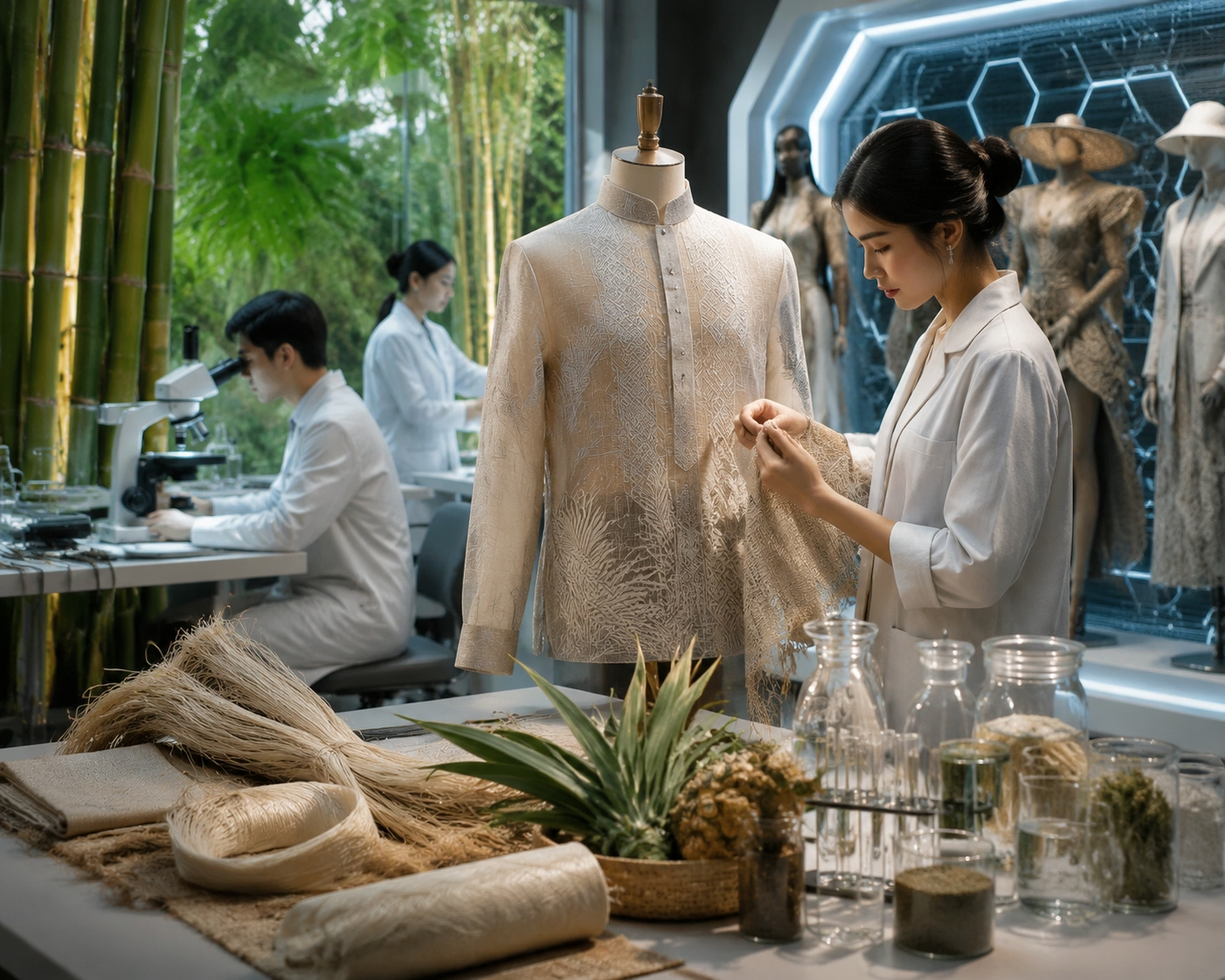
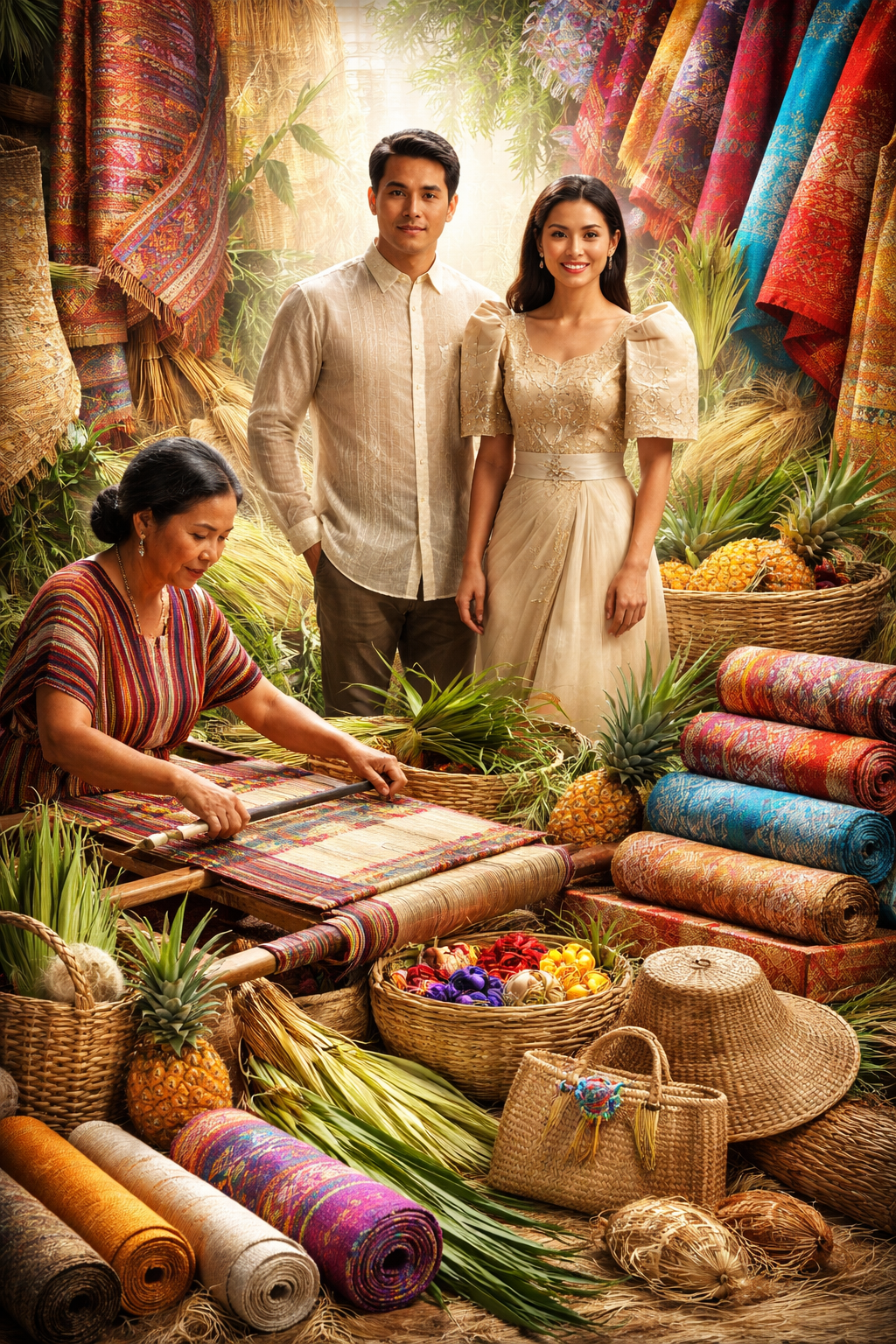
The most iconic Filipino fabric is the piña, made from the fibers of the pineapple plant. This delicate yet durable fabric has been used for centuries, especially for the creation of formal clothing. It is a favorite material for traditional Filipino dresses like the barong Tagalog, worn by men during special occasions, and the terno, worn by women. Piña fabric is admired for its lightweight, translucent texture and is often combined with other fibers such as silk or cotton to create luxurious garments. The weaving process itself involves careful extraction of the fibers, which are then spun into thread and woven into the final fabric using a traditional loom.
Abaca, another significant textile in Filipino fashion, comes from the banana plant. Unlike piña, abaca is known for its strength and versatility. Abaca fibers are often used in making home décor items like mats, bags, and baskets, as well as in fashion accessories like shoes, belts, and jewelry. Abaca’s natural properties make it an excellent material for both casual wear and more structured pieces. Over time, designers have incorporated abaca into their collections, blending traditional materials with contemporary fashion styles.
Weaving, in the Philippines, is not merely a craft—it’s a form of storytelling. Different regions in the country produce distinct patterns and designs, each representing the traditions, beliefs, and history of the local community. In the Cordillera region, for instance, weavers create intricate patterns that often reflect their relationship with nature, such as mountains, rivers, and the sky. These designs hold symbolic meaning, and they are often passed down from one generation to the next.
The practice of weaving is typically done on traditional looms, which require skill, patience, and attention to detail. The process is labor-intensive and can take several days or even weeks to complete a single piece of fabric. Yet, despite the challenges, this craft continues to thrive in rural communities, where it plays an important role in preserving cultural traditions and supporting local economies. Weaving is often a communal activity, with families and communities working together to create the fabrics that will eventually be used to make clothing, accessories, and home goods.
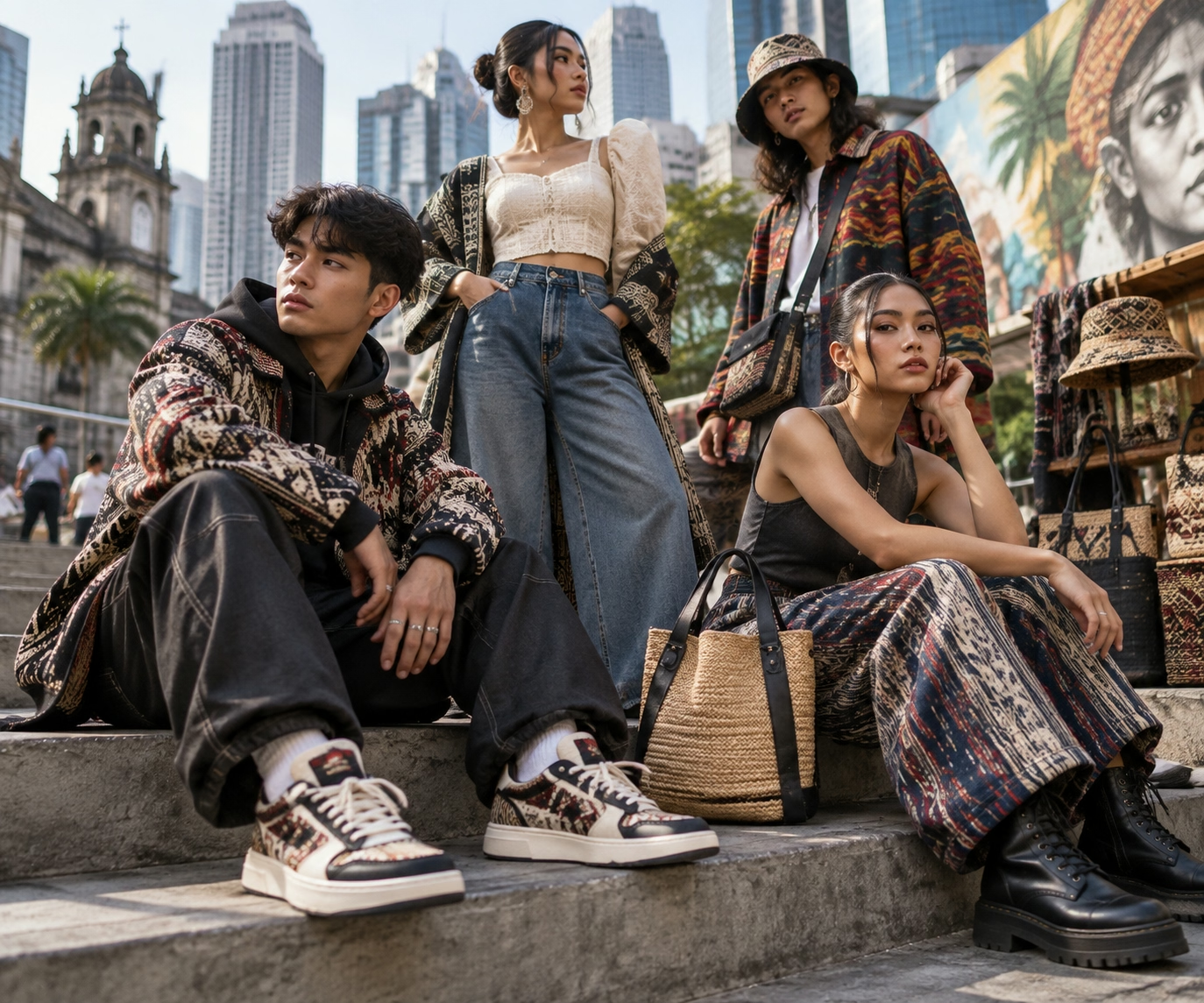
Today, Filipino designers are infusing traditional textiles into their modern collections. Designers like Joey Samson and Gino Gonzales use indigenous fabrics in their couture pieces, helping to preserve these ancient techniques while introducing them to the global fashion scene. These designers are proving that Filipino textiles are not just relics of the past but can also be a source of inspiration for future trends.
As the global fashion industry moves towards more sustainable practices, Filipino handwoven textiles are becoming increasingly relevant. Their eco-friendly nature, as they are created from natural fibers, positions them as an ideal alternative to synthetic fabrics. By choosing Filipino textiles, consumers are not only supporting sustainable fashion but also contributing to the preservation of the country’s rich weaving heritage.