
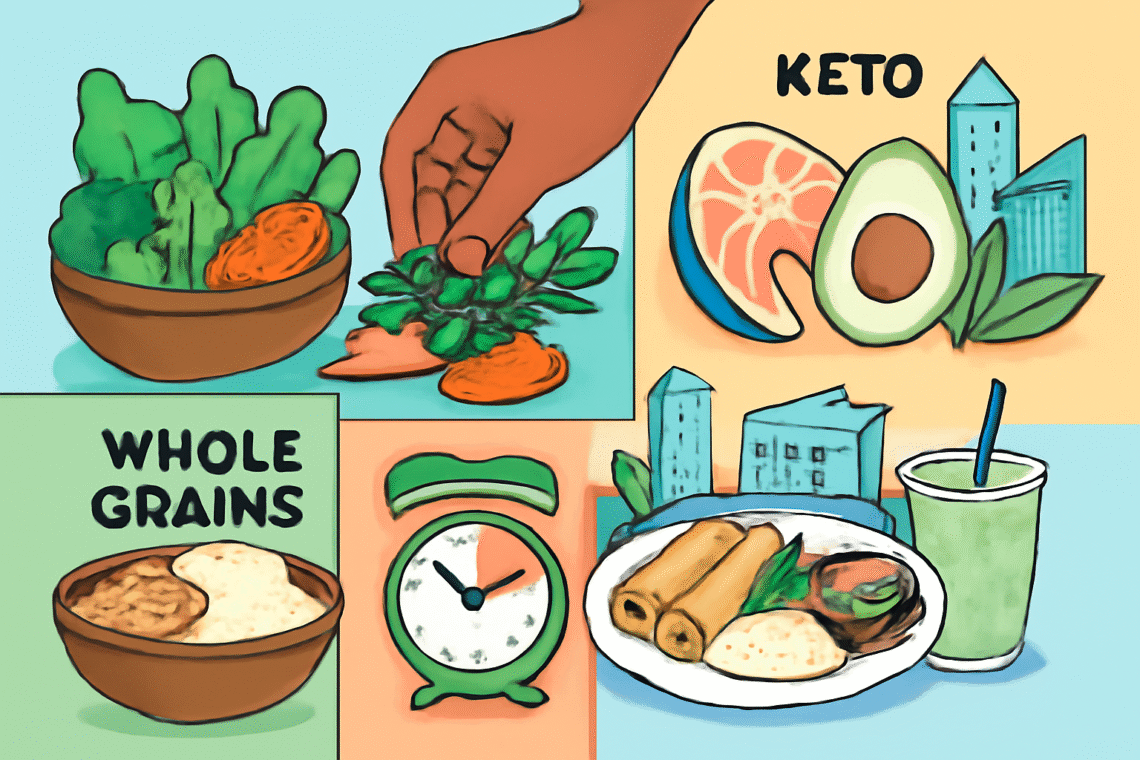
In the Philippines, the emphasis on health and wellness has grown significantly in recent years, and with it, the popularity of healthy eating. Traditionally, Filipino meals have been centered around rice, meat, and seafood, but this culinary landscape is changing. As the awareness about the importance of balanced nutrition grows, Filipinos are increasingly turning to healthier food choices that are both nourishing and flavorful.
One of the key elements in this shift is the focus on fresh and nutrient-dense foods. Vegetables like ampalaya (bitter melon), kangkong (water spinach), and talbos ng kamote (sweet potato leaves) are now being featured in more everyday meals, often in stir-fries, stews, and salads. The use of superfoods such as malunggay (moringa) is also gaining momentum due to its rich antioxidant content and potential health benefits.
Rice, a staple food in the Philippines, is also being reimagined. White rice is being replaced with healthier options like brown rice and quinoa, which offer more fiber and essential nutrients. Additionally, traditional Filipino dishes such as sinigang and laing are being made with lighter, more nutritious ingredients to align with healthier eating trends.
The keto diet, which focuses on high-fat, low-carb eating, has become one of the most popular diets in the country. Many Filipinos are turning to this diet to help with weight management, improved energy levels, and better mental clarity. As a result, keto-friendly restaurants and meal delivery services are on the rise, offering dishes like grilled meats, avocado, and egg-based recipes that cater to keto enthusiasts.
Intermittent fasting is also a top choice for Filipinos looking to improve their health. The flexibility of intermittent fasting makes it appealing to busy professionals and individuals who prefer a simple approach to weight loss. Popular intermittent fasting strategies, such as the 16:8 method, allow people to eat within a specific window of time, typically eight hours, while fasting for the remaining 16 hours. Many Filipinos report weight loss, increased energy, and better digestion after adopting intermittent fasting.
The growing interest in plant-based diets is another notable trend. Whether due to health concerns, environmental awareness, or ethical considerations, more Filipinos are choosing to reduce their meat consumption. Plant-based alternatives like tofu, tempeh, and jackfruit are being used in traditional Filipino dishes such as adobo, kare-kare, and lumpia. This is helping meet the rising demand for vegetarian and vegan options across the country.
Furthermore, the demand for healthier snacks is on the rise. In place of processed foods and sugary treats, many Filipinos are turning to fresh fruit, nuts, and seeds as snacks. This shift is part of a larger effort to reduce unhealthy food consumption, which has been linked to a variety of chronic diseases in the country.