The fashion landscape for Filipino men has experienced dramatic changes over the centuries. What started as simple, practical garments for comfort has evolved into a dynamic blend of traditional, casual, and formal wear. Today, Filipino men’s fashion is a fusion of historical roots and modern trends, showcasing a unique blend of both Western influences and local sensibilities.
The Early Days: Traditional Clothing for Practicality
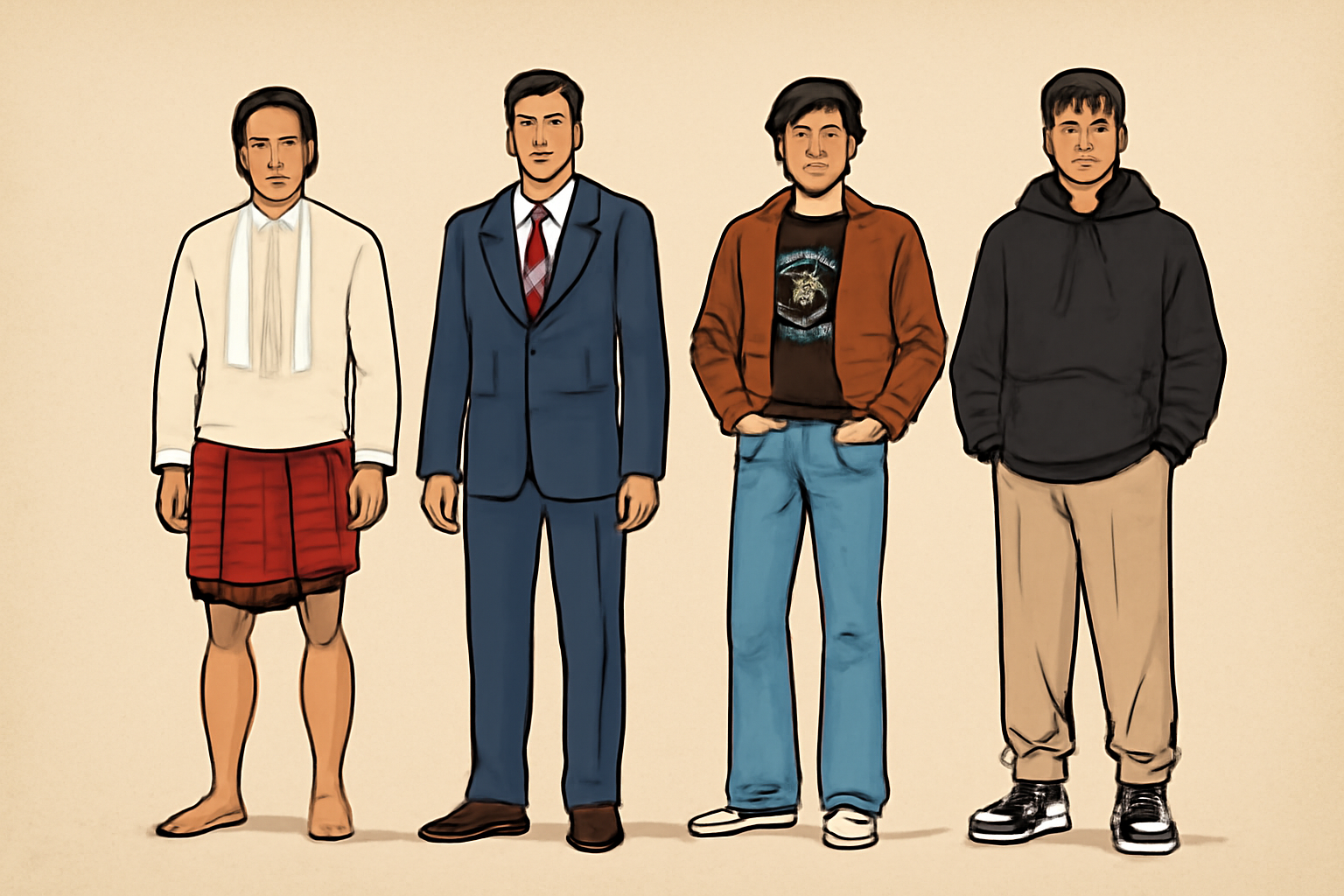
Before foreign influences arrived, Filipino men wore practical clothing suited to the tropical climate. The “bahag” was a staple garment, worn by many men in pre-colonial times, offering ease and freedom of movement. The introduction of the “barong Tagalog” during the Spanish colonial period marked a significant development in Filipino men’s fashion. Made from breathable materials like piña and jusi, this embroidered garment became synonymous with formality and elegance, often worn during special ceremonies or national events.
Western Influence: The Arrival of Suits and Ties
The arrival of American colonization in the early 20th century brought about significant changes in Filipino men’s fashion. The adoption of Western-style suits, ties, and trousers was symbolic of modernization and westernization. The influence of American-style suits quickly permeated Filipino society, especially among the upper classes and professionals, who wore tailored suits for business and formal gatherings.
However, despite the embrace of Western fashion, the barong Tagalog remained an essential part of Filipino men’s formal wardrobe. It continued to be worn on significant occasions, from weddings to official events, reinforcing its status as a symbol of Filipino pride and tradition.
1950s to 1970s: The Blend of Casual and Formal Styles
By the 1950s, Filipino men began incorporating more casual elements into their everyday wardrobe. Polo shirts, chinos, and comfortable shoes replaced the stricter formalwear of earlier decades. This shift was representative of the growing middle class in the Philippines, which sought both style and practicality in their clothing.
The 1960s and 1970s introduced further changes to Filipino men’s fashion, with the rise of popular global movements. Rock ‘n roll and youth culture influenced Filipino style, leading to the widespread adoption of bell-bottom jeans, leather jackets, and T-shirts. While these casual trends were prominent, formal wear, including suits and barongs, still had a place in society for major events.
Present-Day Trends: A Blend of Tradition and Modernity
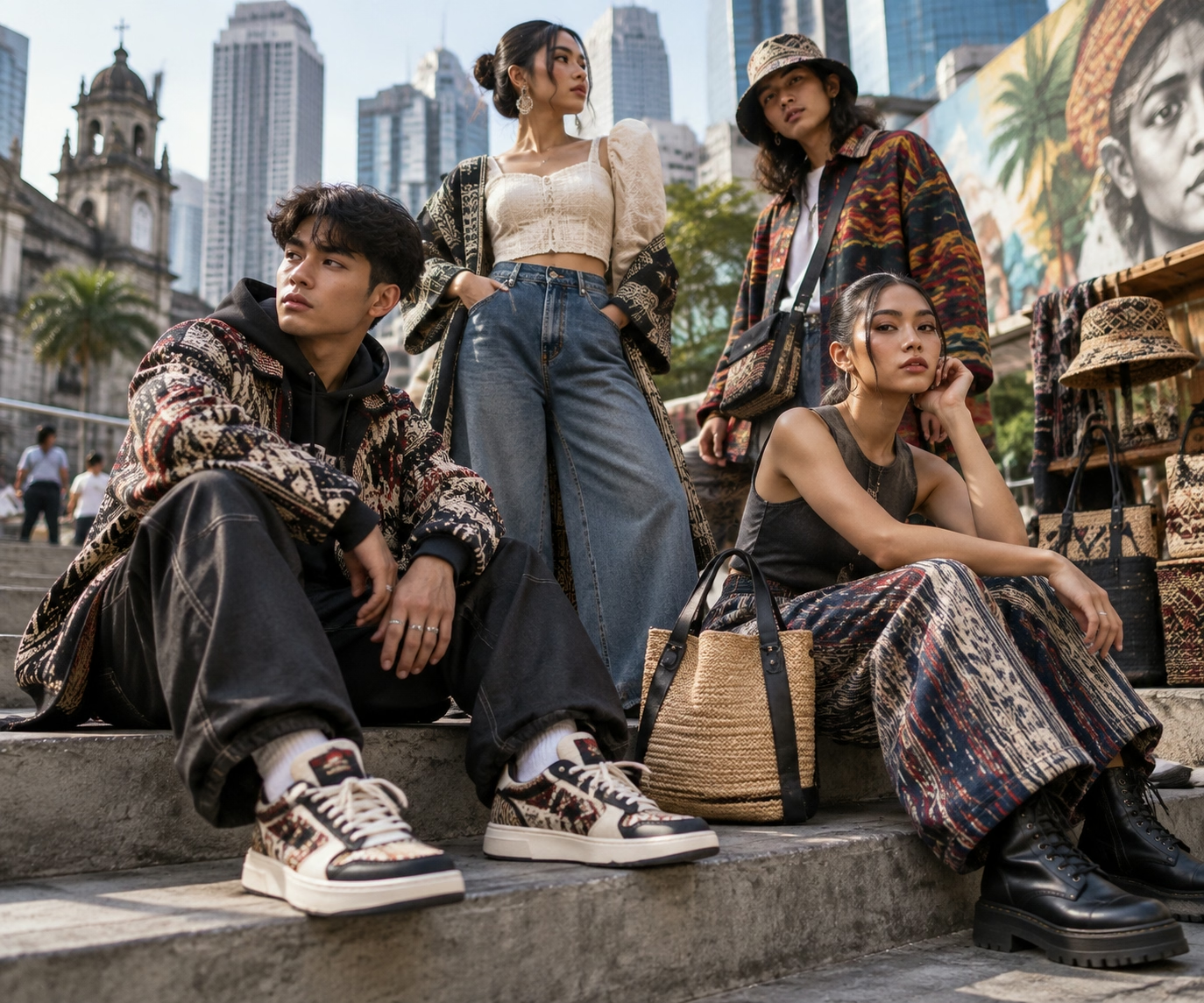
In today’s Philippines, men’s fashion has evolved into a blend of both casual and formal elements. The younger generation, in particular, has embraced streetwear, combining hoodies, sneakers, and graphic tees with formal garments like blazers and dress shoes. This combination of comfort and style reflects the fast-paced and globally influenced culture that young Filipinos live in today.
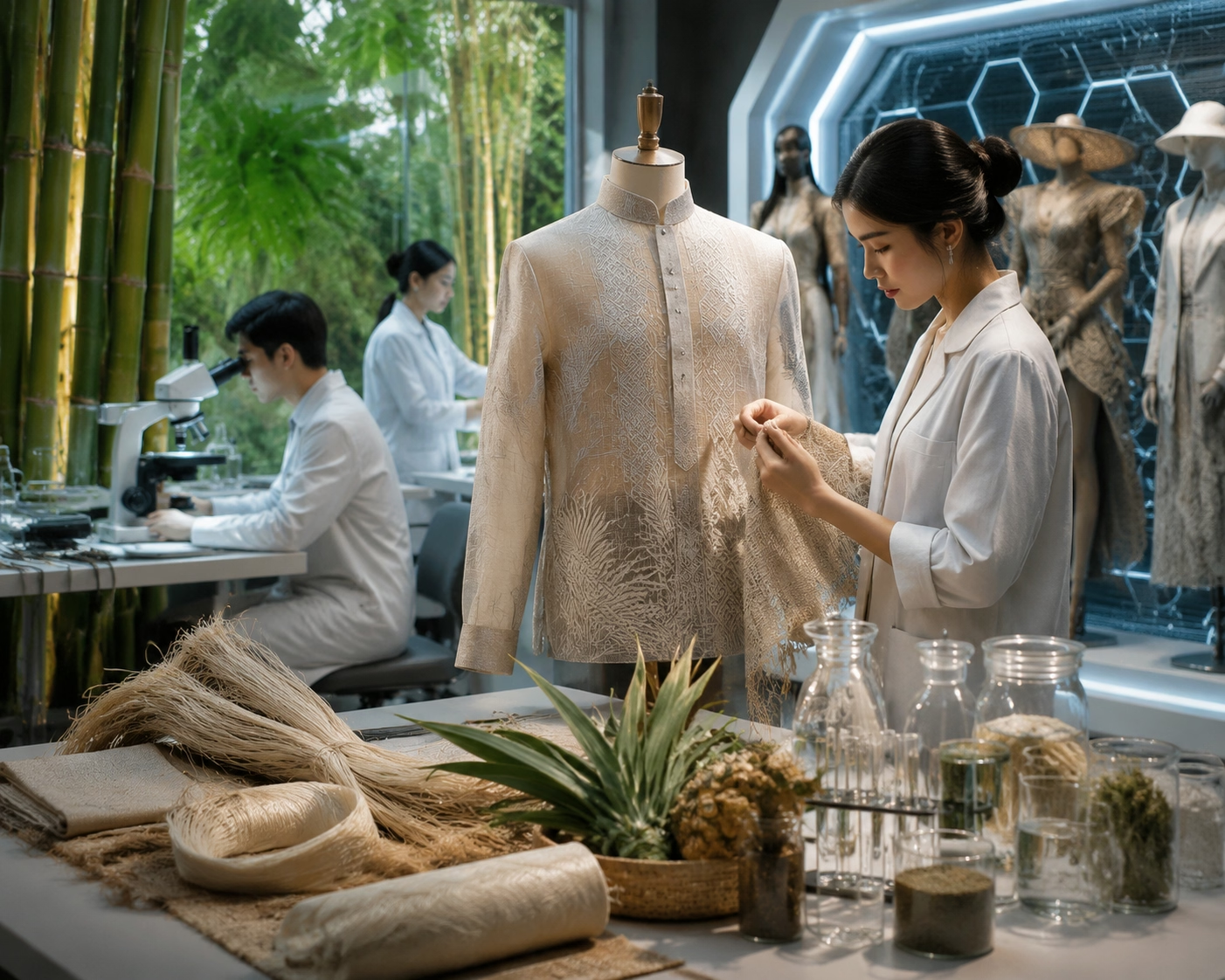
The barong Tagalog has seen a resurgence in modern designs, with updated cuts and fabrics, making it suitable for both casual and formal occasions. What was once strictly a formal garment has now been reinterpreted for everyday wear, while maintaining its cultural significance.
Embracing Global Influences while Staying Rooted
Filipino men’s fashion has evolved from traditional wear to a more dynamic, contemporary style. This journey from the barong Tagalog to modern streetwear shows how Filipino fashion has adapted over time. While global trends continue to shape the fashion industry, Filipino men remain connected to their cultural heritage, maintaining the traditional aspects of style while embracing the new.