Mindanao, the southernmost island group of the Philippines, is known for its unique fashion scene that highlights a seamless blend of traditional craftsmanship and contemporary design. The island is home to various indigenous communities, each with its own distinct fashion traditions and weaving techniques. Over time, these traditions have merged with modern influences, creating a rich and dynamic fashion culture that is as diverse as the region itself.
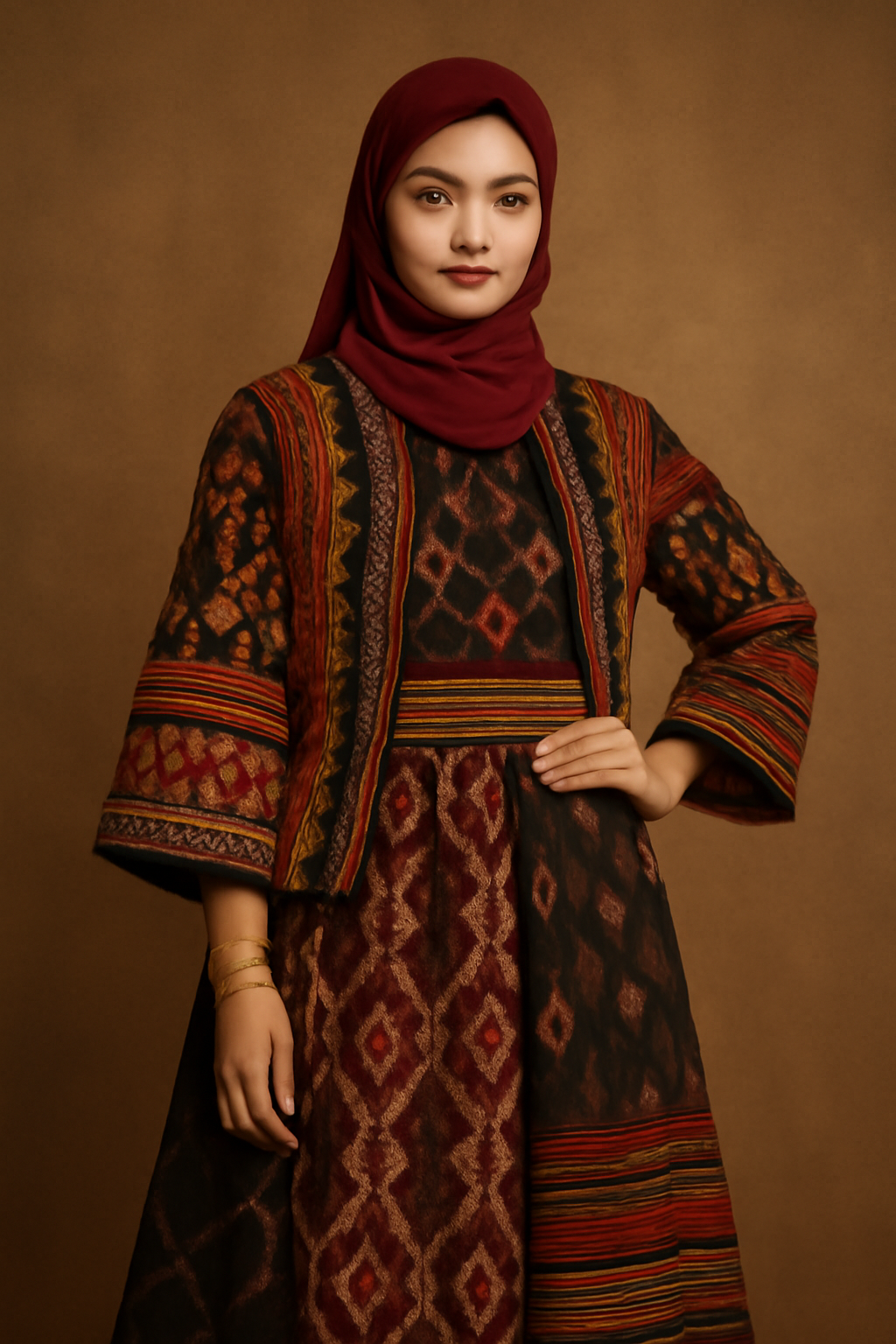
The fashion identity of Mindanao is closely linked to its indigenous tribes, such as the Tausug, Maranao, and T’boli people. For centuries, these tribes have created intricate textiles using natural fibers like abaca, silk, and pineapple leaves. One of the most notable fabrics in the region is the “T’nalak,” woven by the T’boli people. This fabric, made from abaca, is handwoven and dyed using traditional techniques, and is often used in ceremonial attire. It has become a symbol of the T’boli tribe’s deep connection to their ancestors and spiritual beliefs.
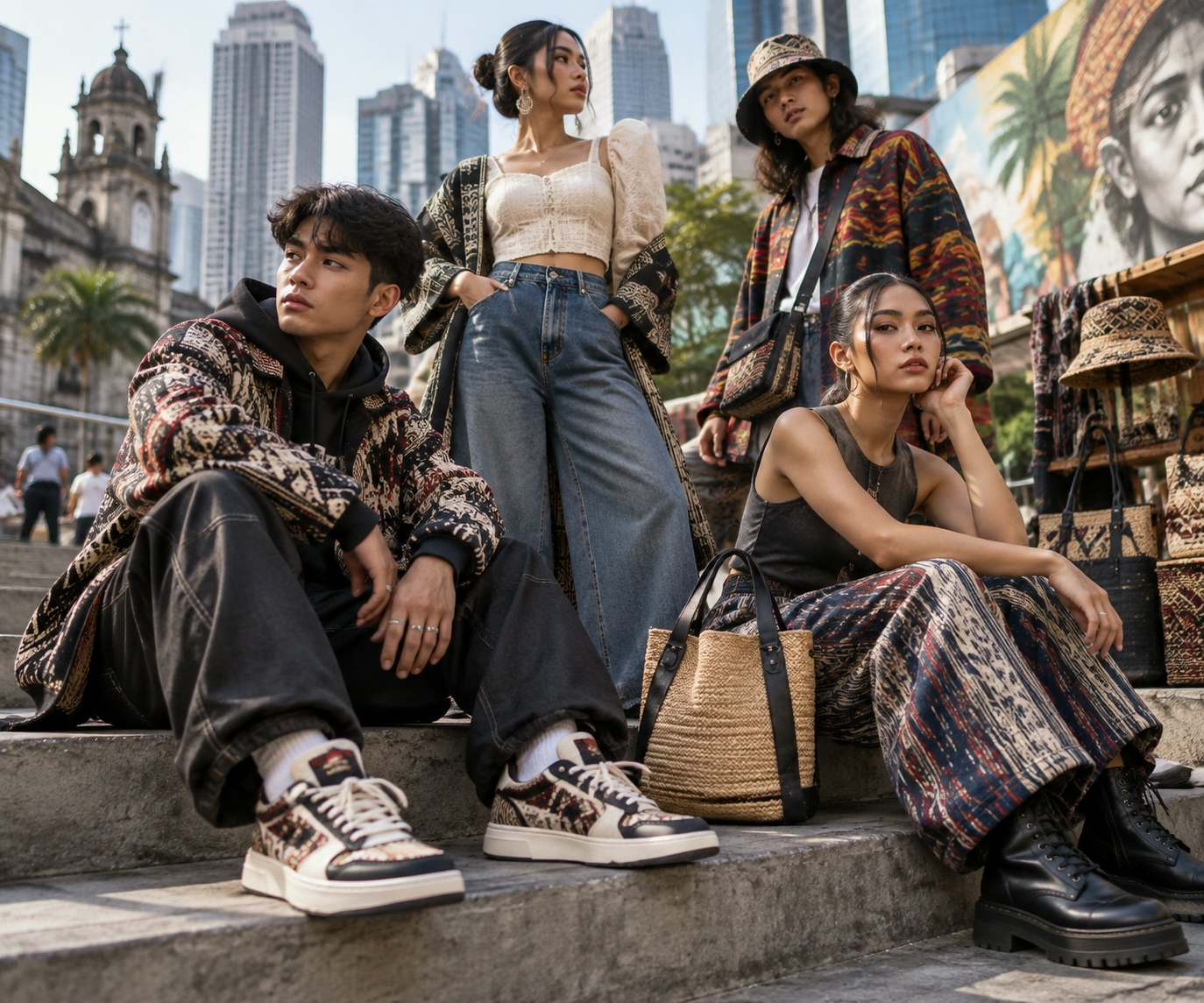
The fashion industry in Mindanao is increasingly incorporating these indigenous textiles into modern clothing designs. Local designers are finding creative ways to use these traditional materials in contemporary garments, such as dresses, blouses, and accessories. This fusion of old and new has given rise to a unique fashion style that celebrates both the cultural heritage of Mindanao and the global trends of today.
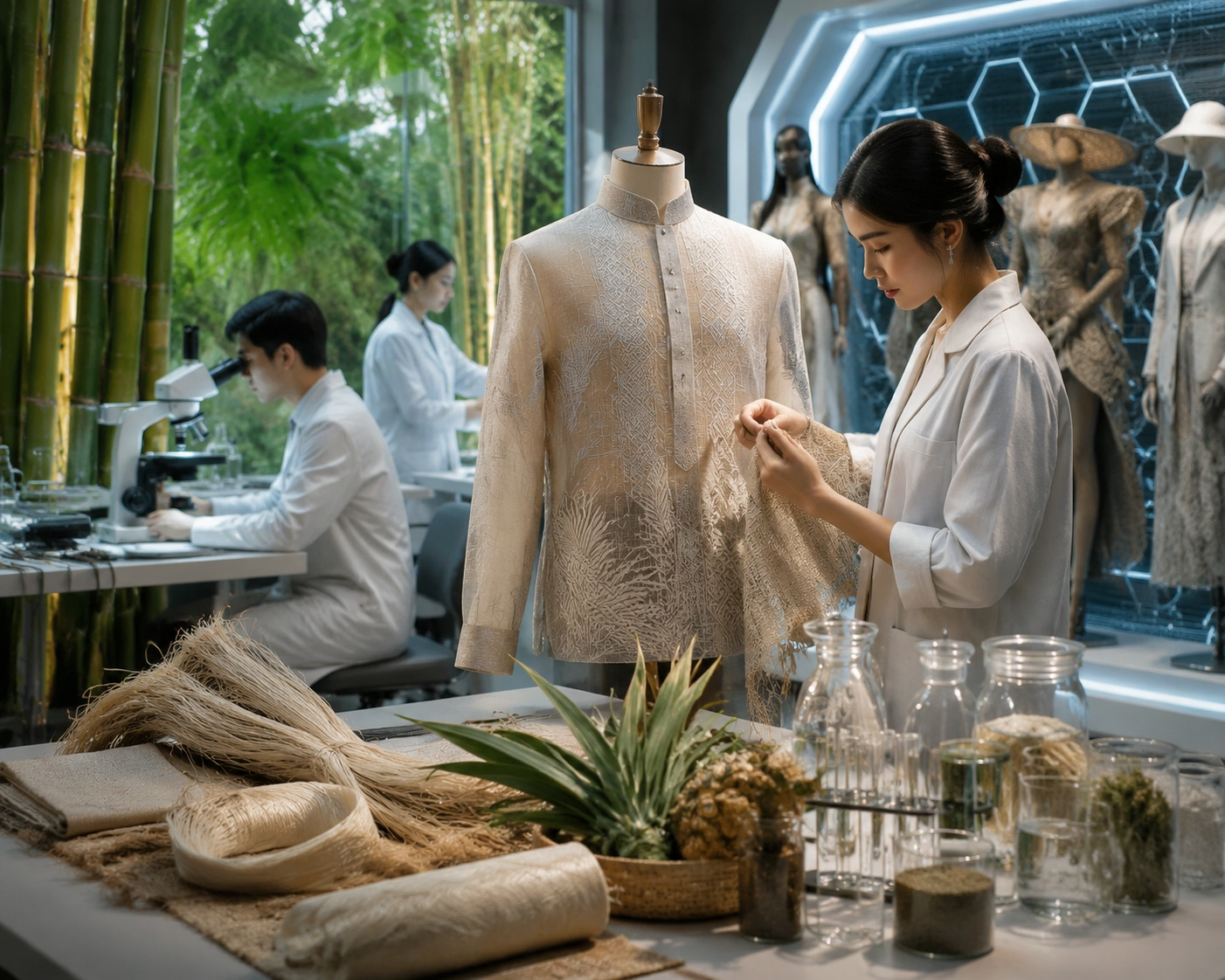
In cities like Davao and Cagayan de Oro, young designers are experimenting with sustainable practices, using locally sourced materials like piña fabric, abaca, and silk to create eco-friendly fashion pieces. This commitment to sustainability not only supports local communities but also helps preserve the environment, as these materials are biodegradable and renewable. Moreover, many designers in Mindanao are working with local artisans to create one-of-a-kind pieces, ensuring that traditional crafts are passed down through generations.
The influence of Islam is also a prominent feature of Mindanao’s fashion scene. The Muslim communities in the region, particularly in the provinces of Sulu and Zamboanga, have a distinct style characterized by modest clothing, often made from lightweight fabrics perfect for the tropical climate. The “Baju Kurung” for women and the “Barong Tagalog” for men are common garments, with modern adaptations that cater to the growing demand for modest yet fashionable attire.
In addition to clothing, jewelry is an essential part of Mindanao’s fashion identity. Mindanao’s artisans are known for their exquisite craftsmanship in jewelry-making, particularly in the provinces of Zamboanga and Cotabato. These pieces, often made from gold, silver, and precious stones, are decorated with tribal motifs or inspired by nature. Mindanaoan jewelry is not just ornamental; it holds cultural and spiritual significance, often passed down as family heirlooms.
Mindanao’s fashion industry is rapidly evolving, with local designers and artisans gaining more recognition on the national and international stages. As the region continues to embrace innovation while staying rooted in tradition, the fashion scene in Mindanao is poised for continued growth, offering a unique perspective on Filipino fashion that is deeply intertwined with the culture and history of the southern Philippines.